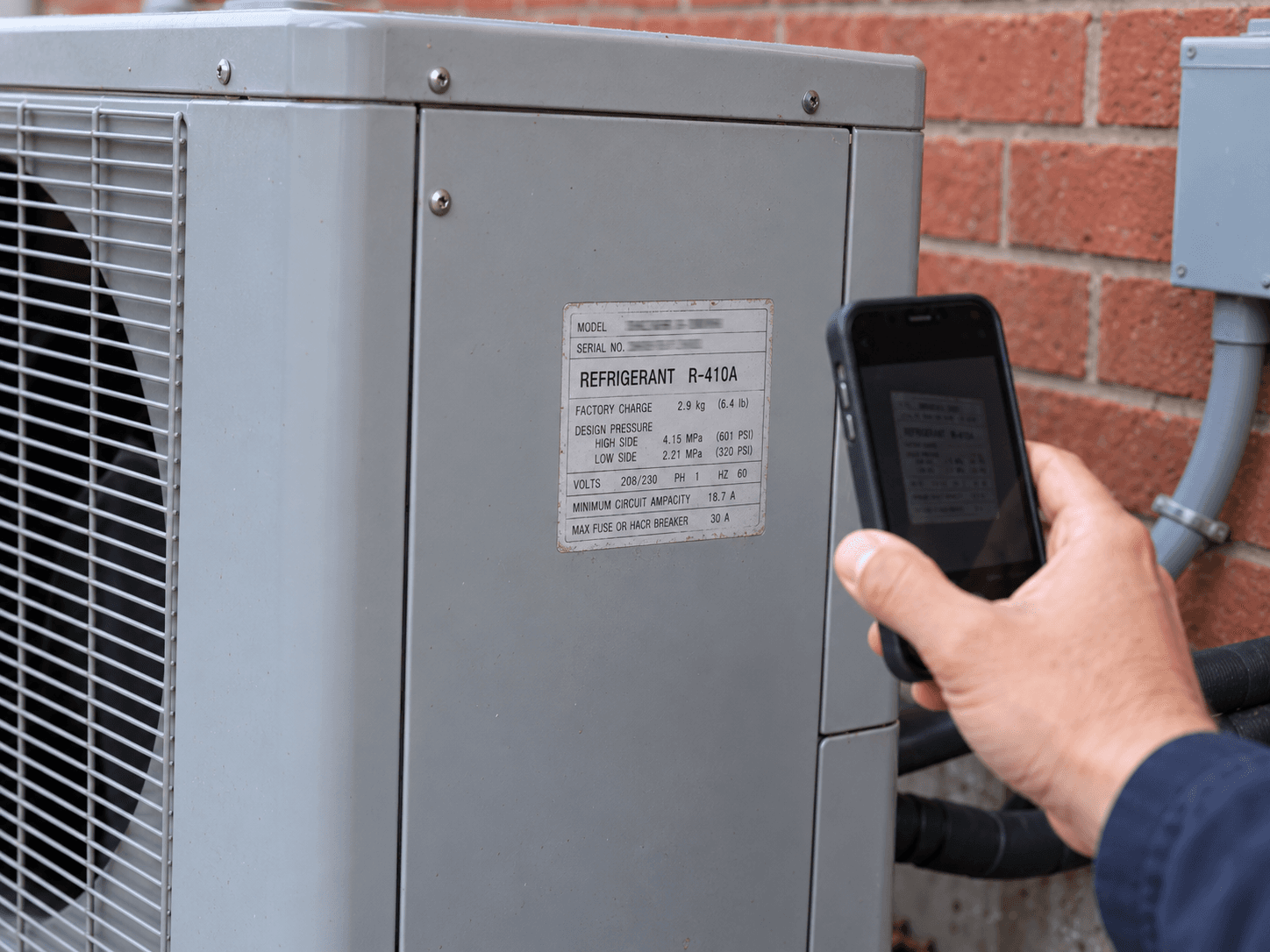
The repair discussion included R-410A. One replacement proposal said R-32; another said R-454B. I had arrived expecting to compare equipment and found myself learning three names that looked like passwords.
I photographed the accessible label on our closed outdoor unit and kept it with the service report. The specified refrigerant was useful information. It was not an invitation to open a valve or buy a refill.
Separate the market change from your repair decision
Source: Environment and Climate Change Canada: HFC phase-down background
Source: Justice Canada: current HFC consumption allowance provisions
Canada is reducing its supply of HFCs under a phased schedule. Manufacturers are introducing equipment using lower-global-warming-potential refrigerants. That explains why a new proposal may name a different refrigerant from the one in an older system.
It does not tell me whether a particular repair is sensible. I asked for the fault, available repair options, parts and refrigerant costs, and the replacement scope. A different name on a brochure was not enough to compare those choices.
Checked October 20, 2026: Canada's federal rules and U.S. equipment rules are separate. If someone cites a deadline, I ask which Canadian requirement applies, to which equipment, and whether it concerns new products or an existing system. A U.S. sales deadline should not quietly become a Canadian homeowner's replacement deadline.
Compatibility belongs to the complete proposal
Source: Carrier Canada: R-454B and equipment safety provisions
Source: Daikin: current equipment and refrigerant identification guidance
Refrigerants are not interchangeable refills. Daikin's equipment guidance says not to mix them and to use the refrigerant specified for the equipment. Changing the fluid in an old system is different from installing a new system designed for it.
I asked which indoor coil or air handler, outdoor unit, controls and safety components the proposal included. If existing piping or equipment would remain, the contractor needed to establish that the manufacturer permitted that exact arrangement. 'It fits' was not the documentation I wanted.
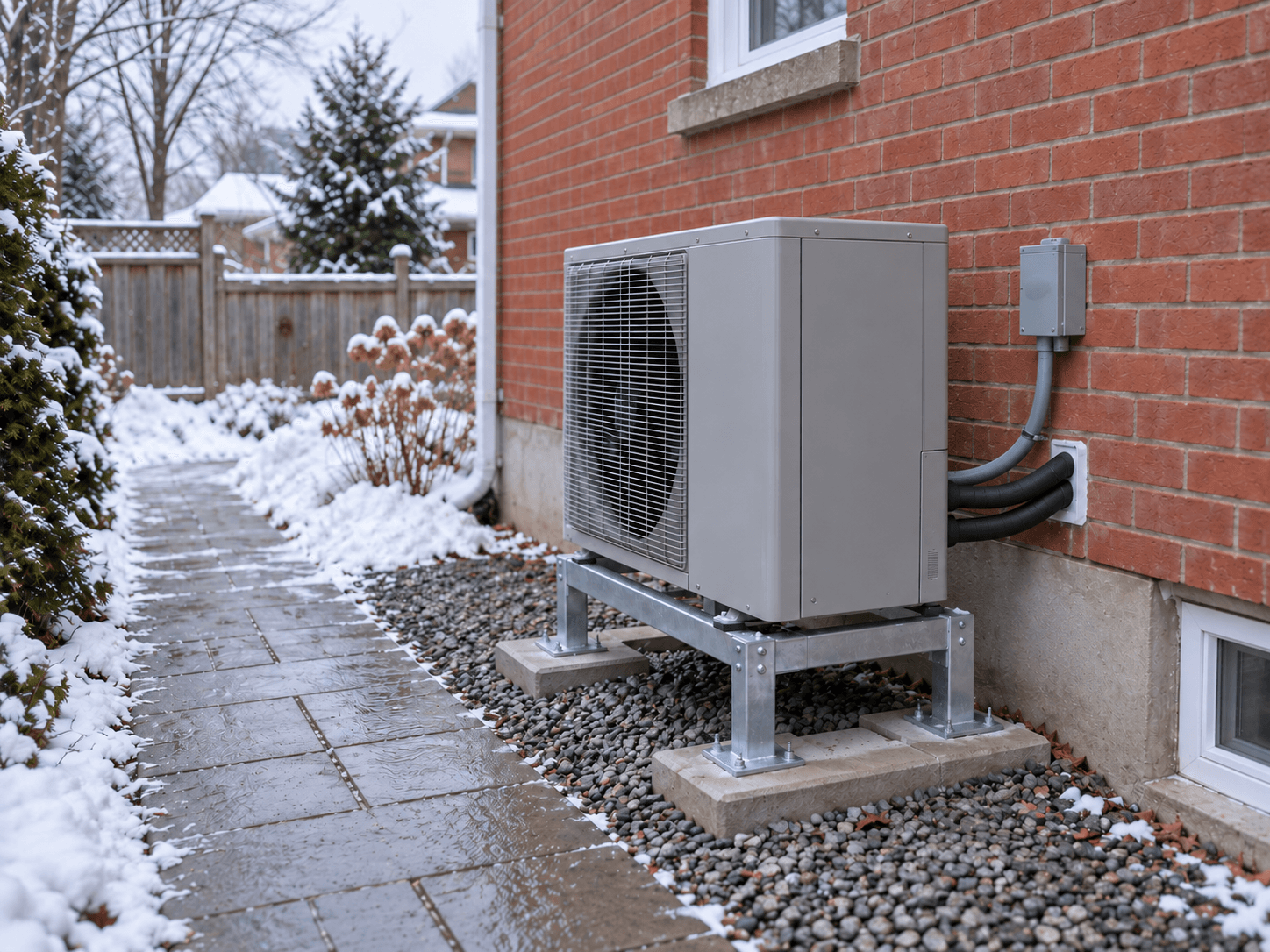
R-32 and R-454B equipment also has specific installation and service requirements. Carrier's Canadian R-454B guidance, for example, describes a leak-detection and dissipation system. Required safeguards belong in the installation; they are not optional extras to bypass when inconvenient.
Keep the answer with the equipment
My handover list now included the final model combination, specified refrigerant, owner instructions and warranty records. I also wanted to know who could service the installed system locally.
I still compared comfort, winter performance, price and repair prospects. The refrigerant name had become one precise part of that decision, instead of a reason to rush it.