The outdoor unit started just as I sat down to lunch, stopped, then started again before I had finished. The room remained clammy. I could not remember it behaving that way the previous summer.
I wrote down the sequence rather than timing one cycle and declaring the equipment faulty. Weather, equipment type and demand all affect operation. The repeated change and poor comfort were the useful observations.
Several faults can produce short runs
Carrier identifies airflow restrictions, thermostat issues, refrigerant problems and oversized equipment among causes of short cycling. A description alone cannot separate them. There is no universal cycle length that proves every air conditioner is healthy.
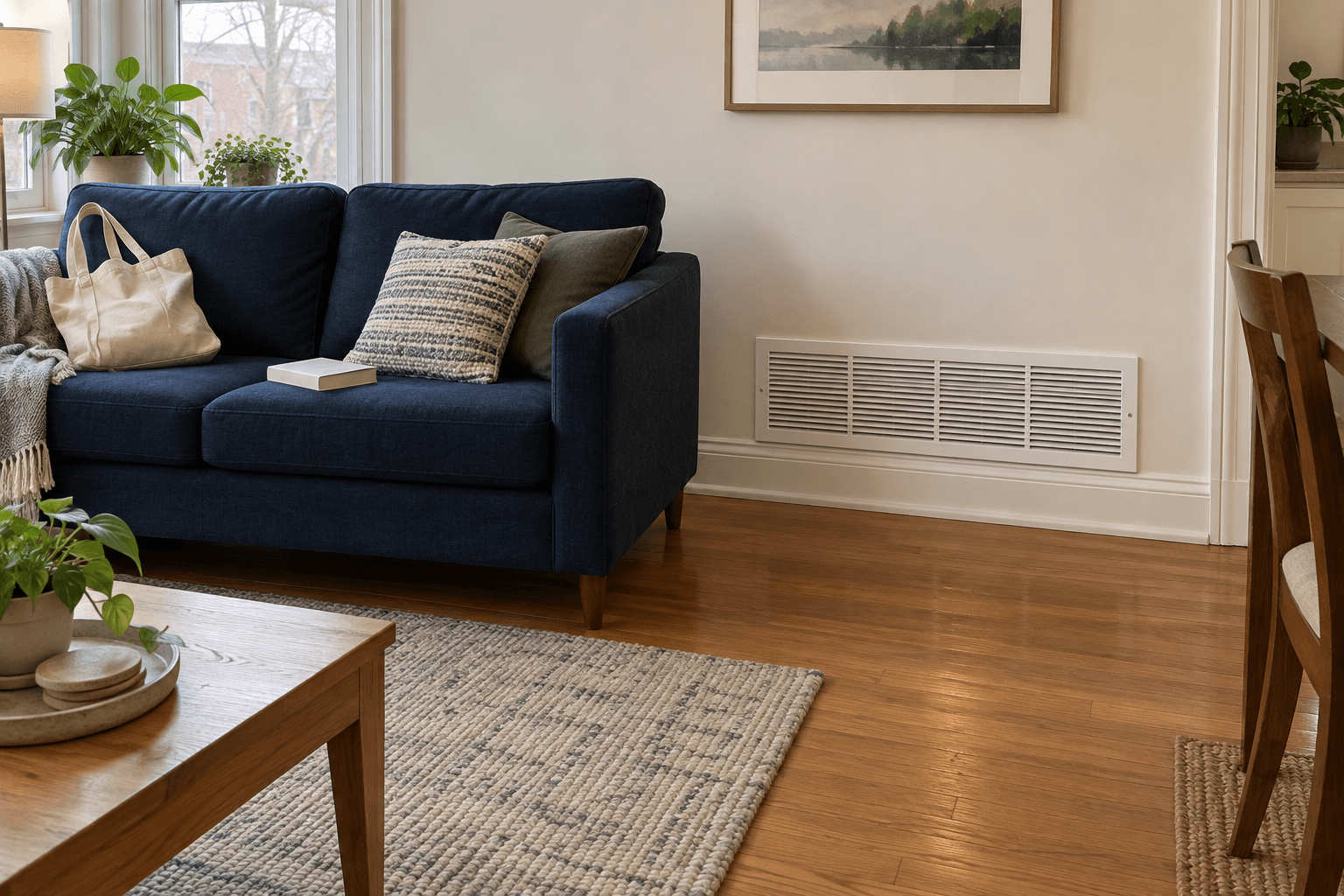
I checked the thermostat mode and the owner-accessible filter as instructed. I made sure the return grille had not been covered by the new cabinet. Those were reasonable observations; opening an electrical panel or changing blower settings was not.
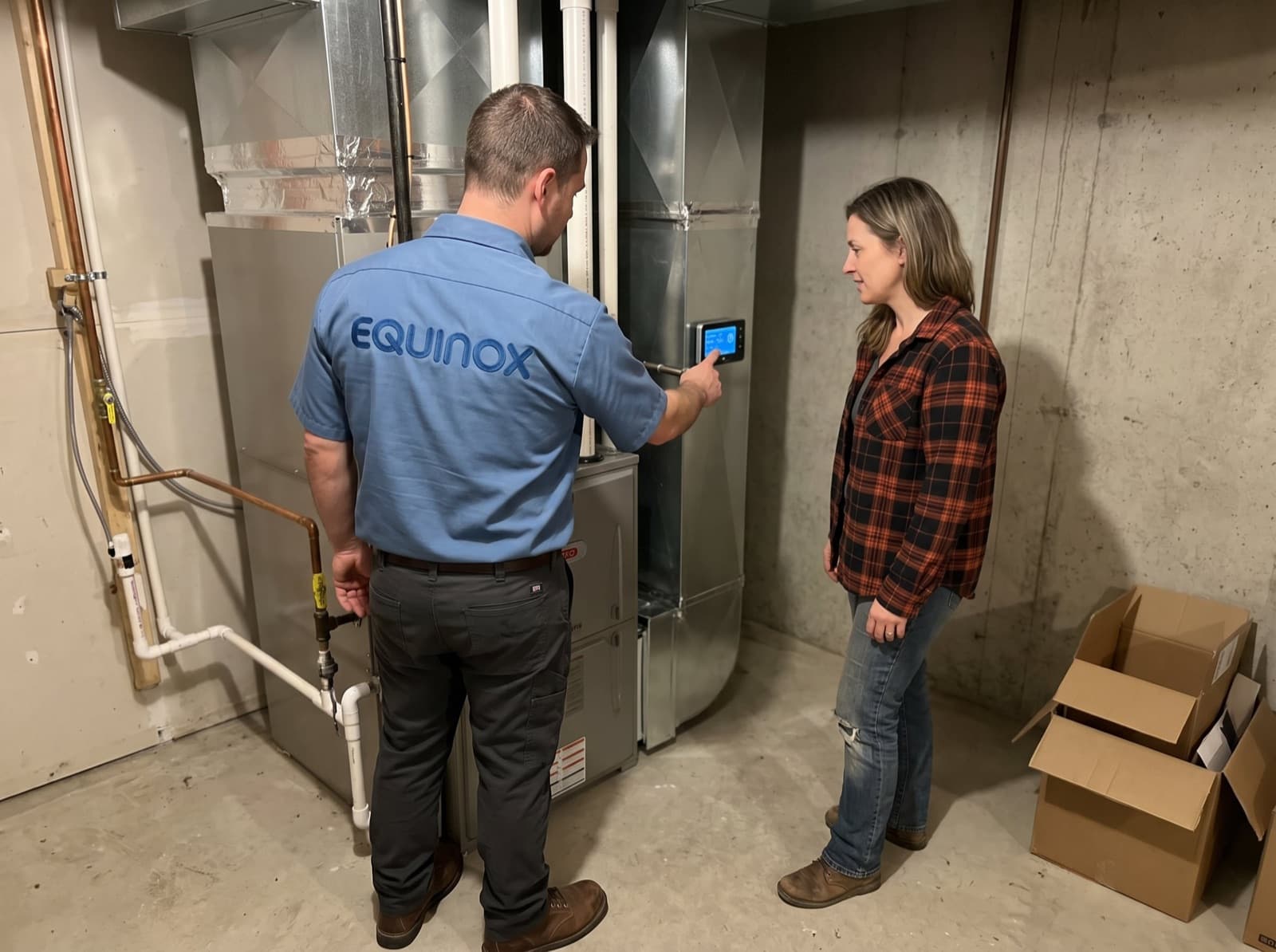
The short runs continued, so I booked service and gave the technician the room-temperature and humidity pattern. I also mentioned when the behaviour began and whether any equipment or settings had recently changed.
Do not turn the setting into a diagnostic tool
I resisted lowering the thermostat far below our preferred temperature to force a longer run. That might change the symptom without explaining it. Repeated power resets would be no better.
If there is ice, water near electrical parts, a harsh new noise or a tripping breaker, stop using the affected equipment safely and get advice. Those details belong in the call too.
Lunch was finished before I had an answer, which was fine. I had a clear description for the person who could measure the system, and a cooler room to use while the appointment was arranged.