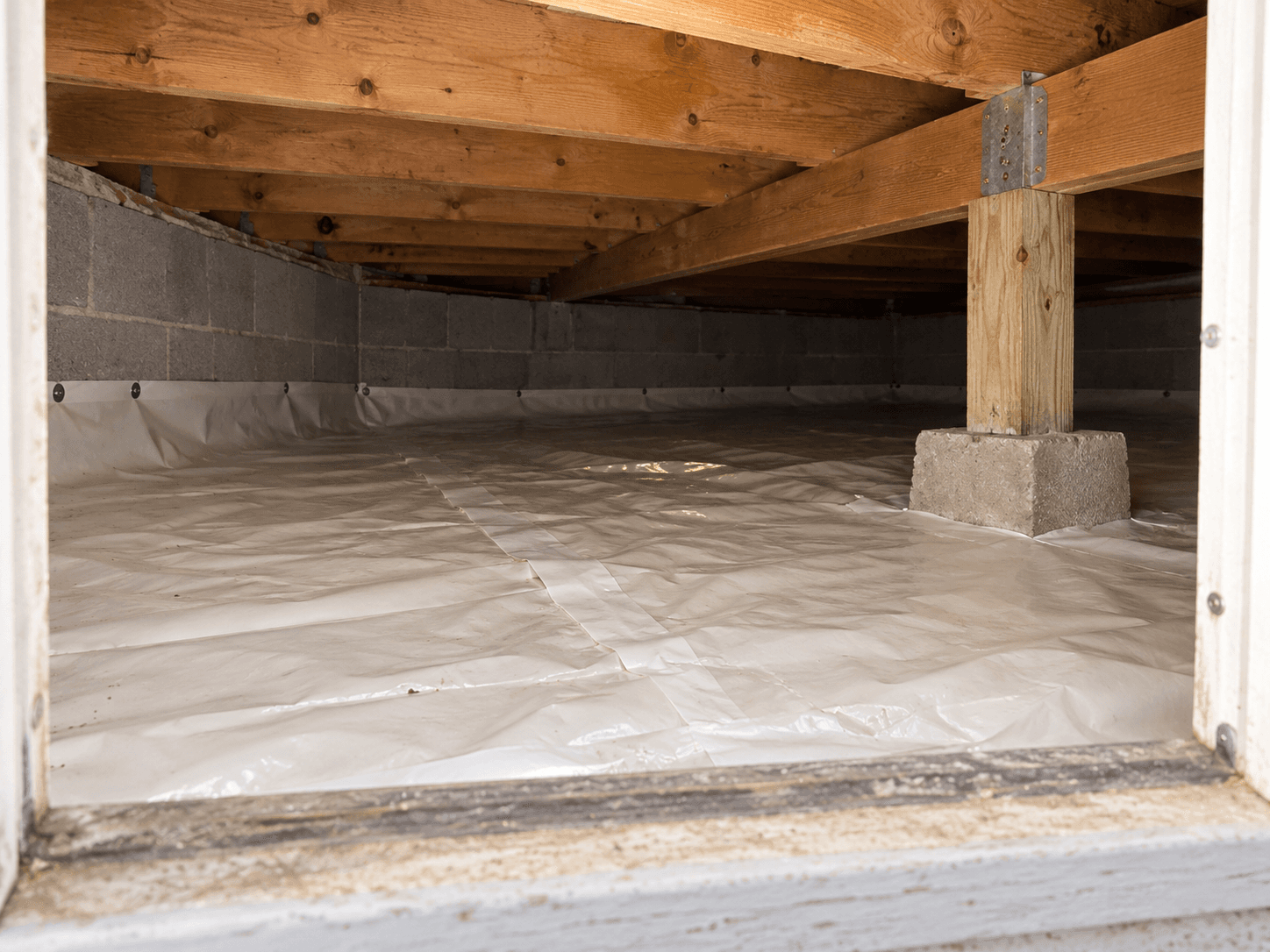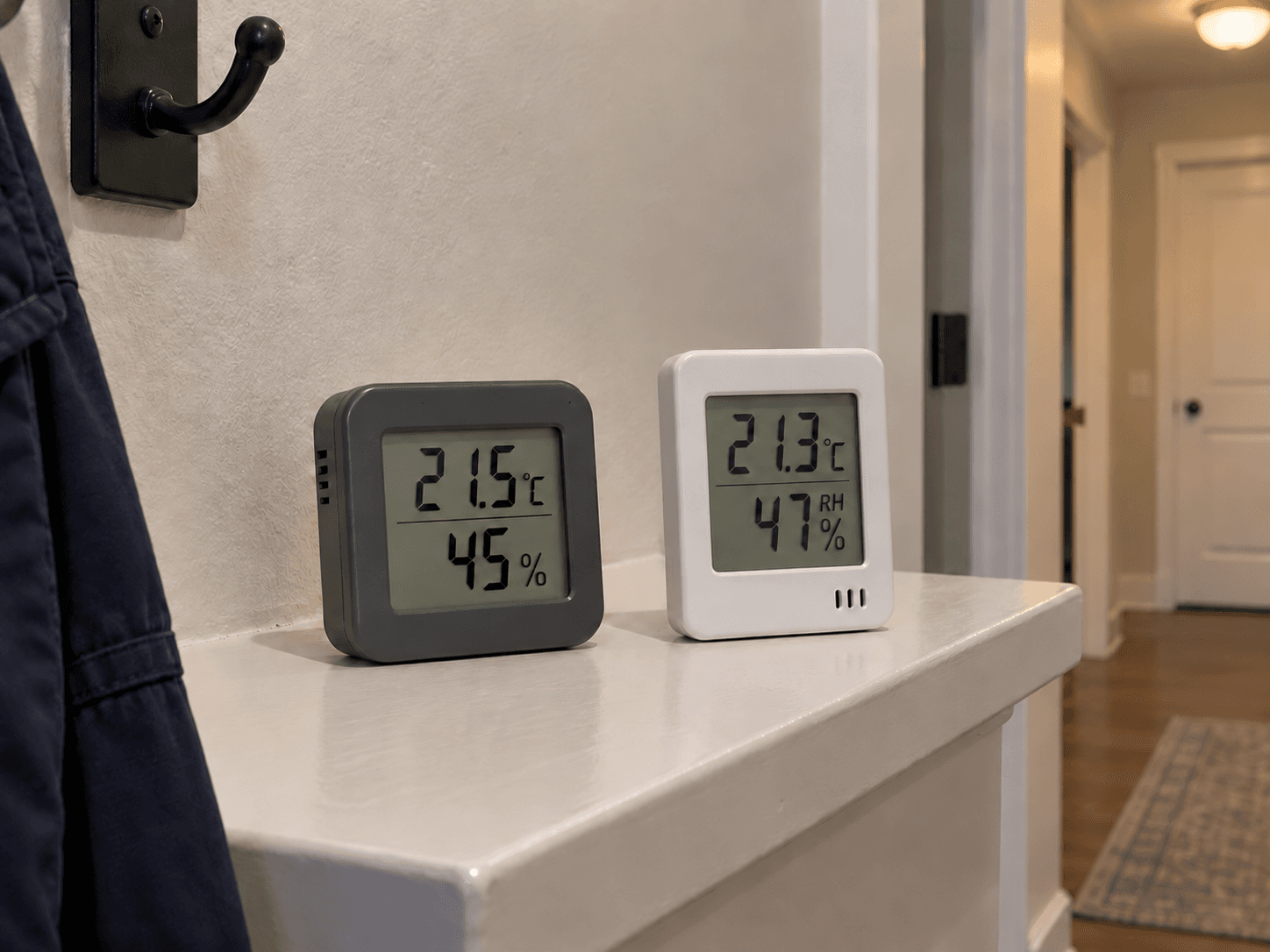
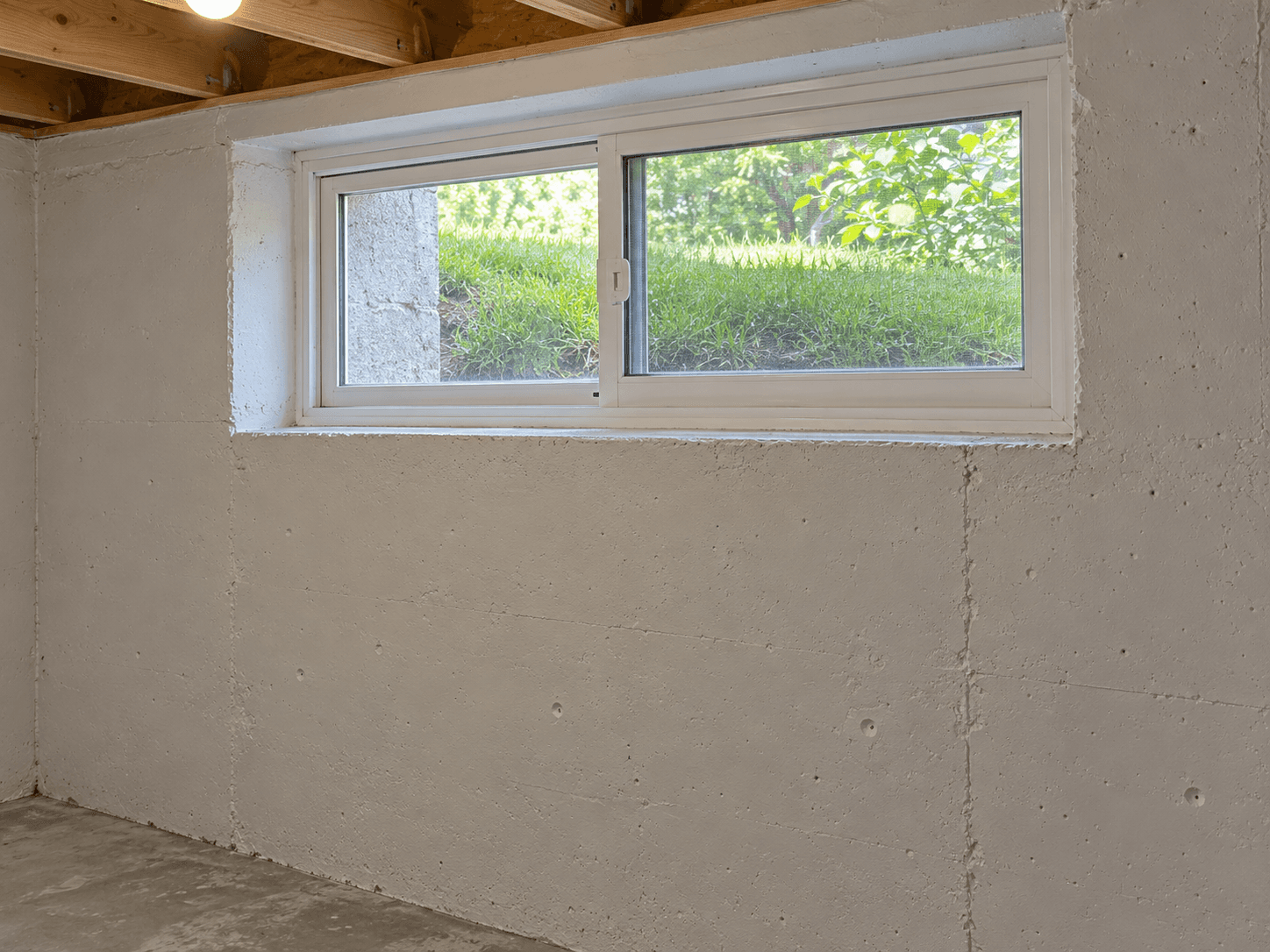
The basement smells damp, so opening the window feels obvious. On a humid summer day, however, the incoming air may carry more moisture than the basement can comfortably handle. A breeze and a drying effect are not the same thing.
Warm outdoor air meets a cooler foundation
Basement walls and floors can remain cool while the weather above ground is warm. Natural Resources Canada notes that humid summer air can condense on cool foundation walls. Bringing more of that air inside can add to the moisture problem.
Relative humidity alone is awkward to compare across very different temperatures. An outdoor reading and a basement reading with the same percentage do not necessarily contain the same amount of water vapour. Dew point is useful context for whether incoming air can condense on a colder surface.
You do not need to invent a universal temperature cutoff. Record the basement's temperature and humidity, the outdoor conditions, whether the window was open and what changed afterward. Keep the indoor meter away from the window's immediate airflow.
Use the ventilation plan and control the source
Source: Health Canada: moisture-source control and dehumidification
During humid weather, use the home's intended ventilation arrangement and appropriate moisture control rather than leaving a basement window open indefinitely. Health Canada's guidance pairs ventilation with source control, leak repair and dehumidification where needed.
A dehumidifier needs the operating temperature, airflow clearances and drainage in its manual. If the window stays open to humid outdoor air, the machine may keep collecting incoming moisture without resolving the underlying pattern.
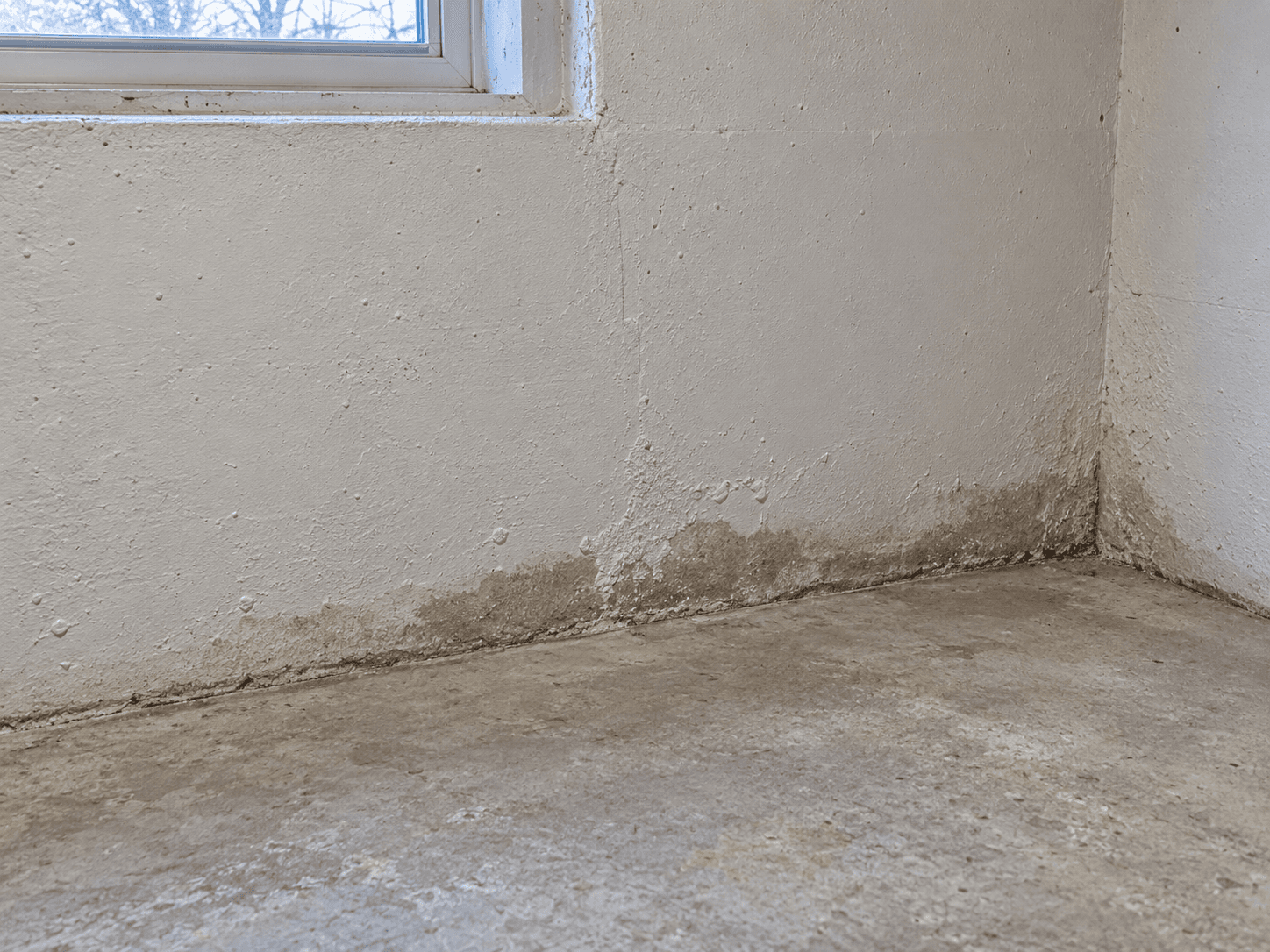
Check for a separate water-entry problem. Dampness that follows heavy rain, plumbing use or snowmelt deserves investigation even when the room's humidity is also high. Do not cover a wet foundation with finishes to improve its appearance.
Look for a repeatable change
- Does the room return to its usual conditions when the weather changes?
- Is moisture spread across cold surfaces or concentrated at one location?
- Are indoor laundry, a leak or other moisture sources contributing?
- Can the existing ventilation and dehumidification operate as intended?
Keep required ventilation and any designated combustion-air openings functioning. A household window decision is not permission to block another air opening. Persistent dampness needs an assessment of the building and its equipment together.
On a dry day, suitable window ventilation may help. On a muggy one, opening the basement simply because it feels stuffy can send the problem in the wrong direction.