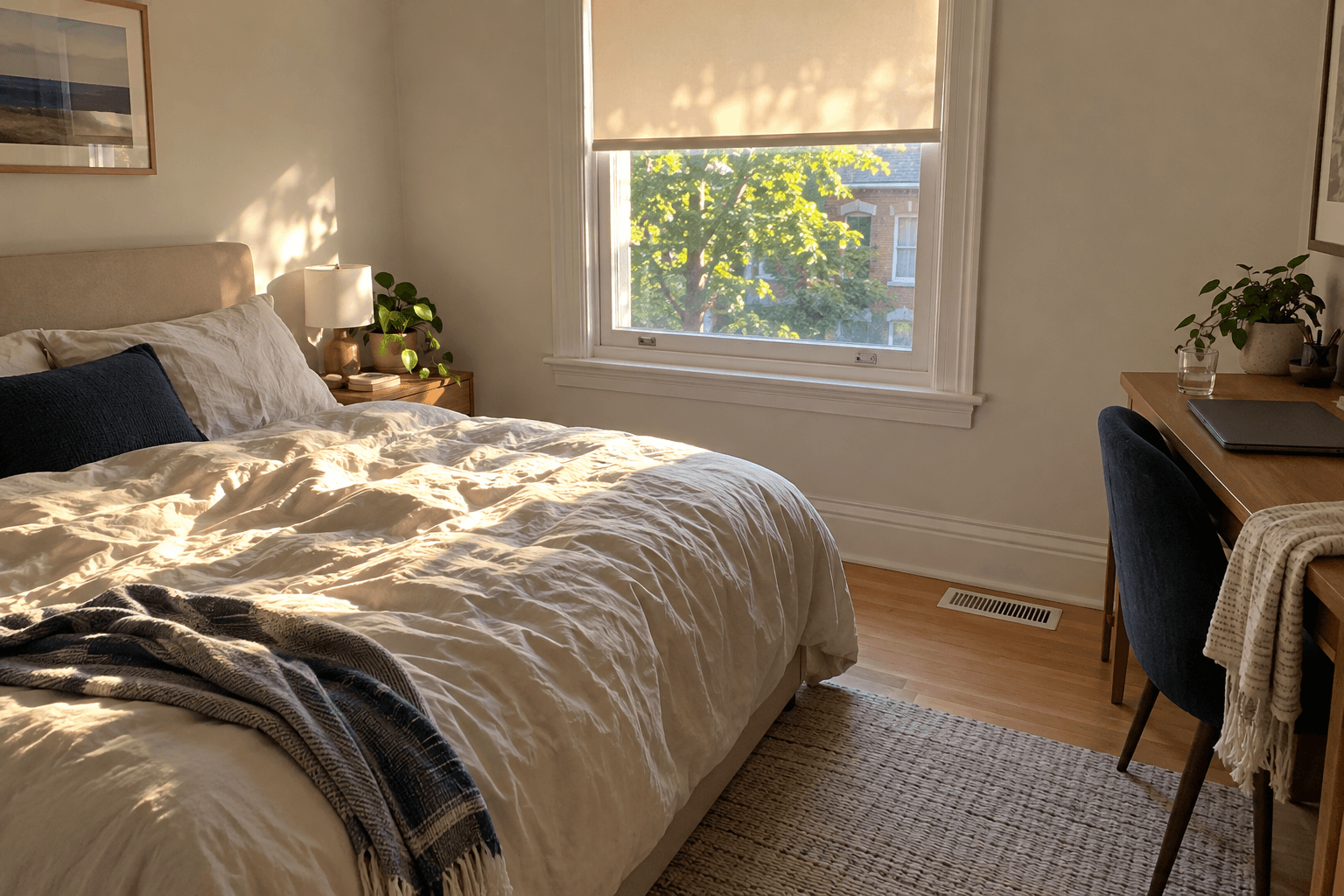
The bedroom was comfortable during the afternoon and noticeably different by bedtime. At first I blamed the schedule. Then I noticed that the main change was simpler: during the day the door stood open, and at night it was closed.
I wrote that down before touching the thermostat again. A problem that followed the door gave us a more specific starting point than a complaint about the entire upstairs.
Supply air needs a way back
In a ducted system, air supplied to a room needs an adequate route back to the return side. The Building America Solution Center explains that closed doors can expose inadequate return pathways and create room pressure differences.
A gap beneath a door may or may not be enough. The answer depends on the airflow and the actual route, not whether a strip of daylight is visible.
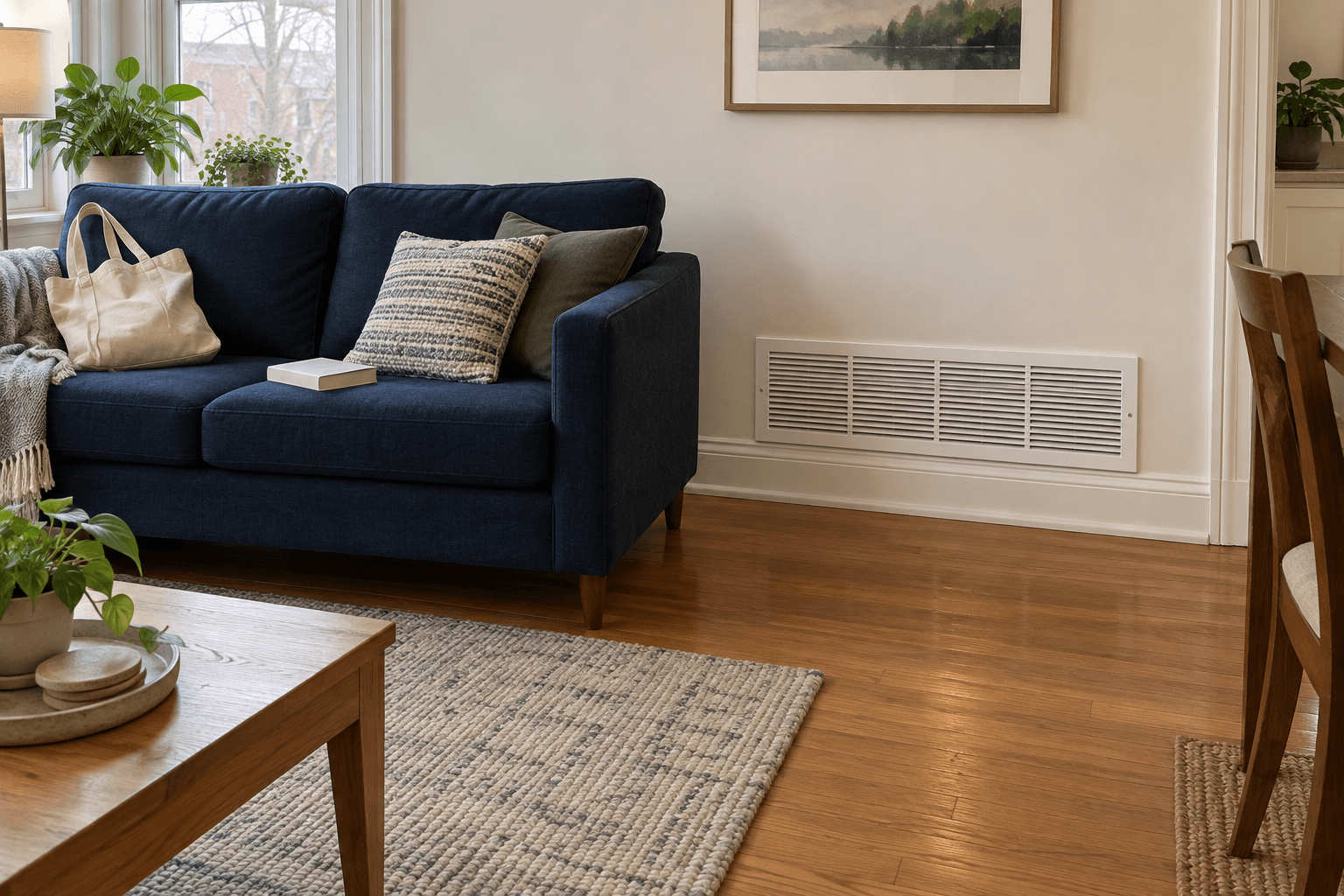
I checked for obvious obstructions at the supply and return grilles. I didn't cut a larger door gap or install a transfer grille on instinct. Privacy, sound, fire separation and the system's airflow all deserve consideration.
Show the technician the normal setup
During an ordinary daytime comparison, we noted the room temperature and door position under similar conditions. We also recorded whether the system was heating or cooling. We kept the household's normal nighttime door and safety routine.
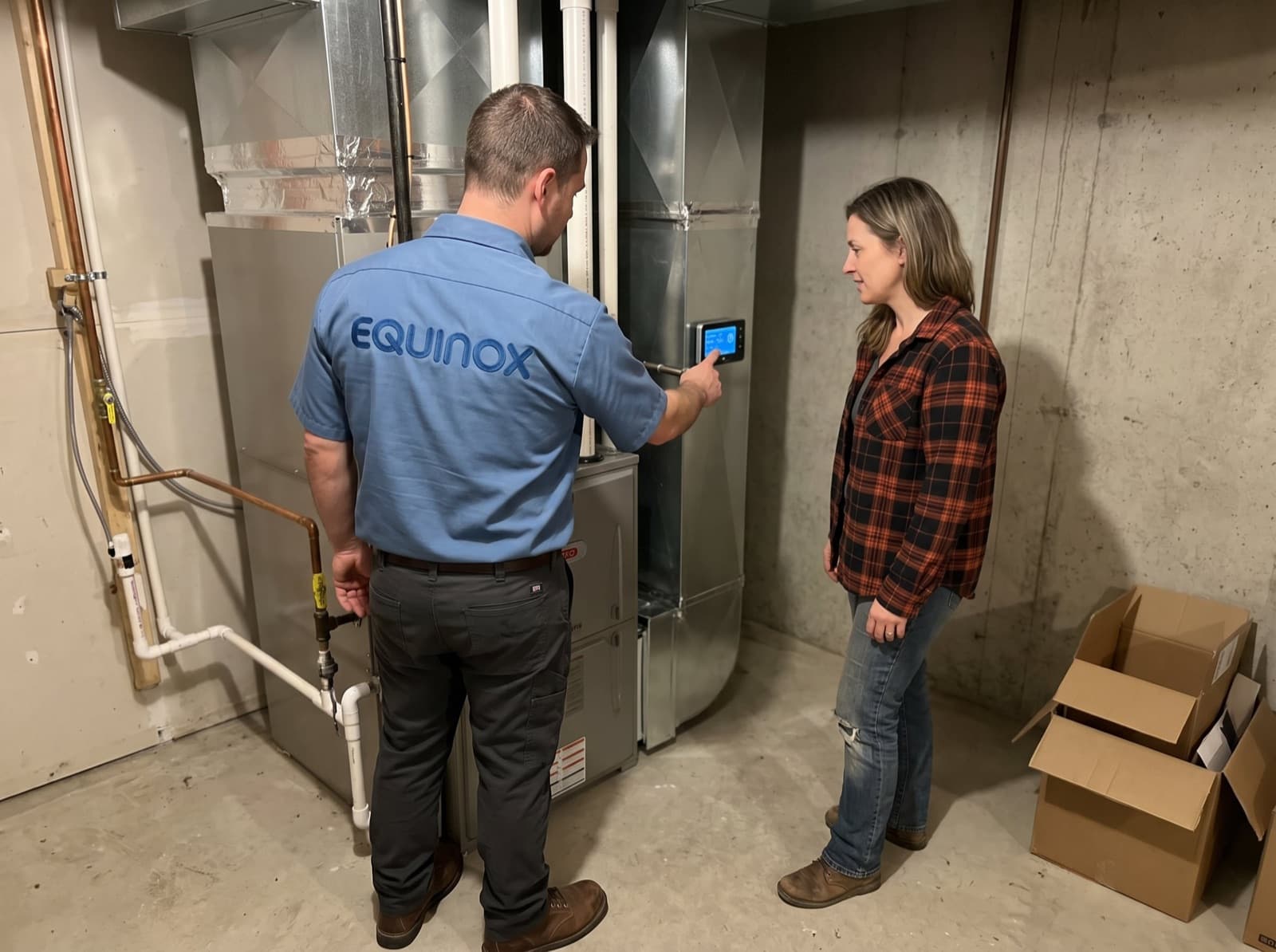
At the service visit, I asked for the room to be assessed with the door in its usual position. The technician could check airflow and pressure, then explain whether a dedicated return, transfer route or another repair was appropriate.
We still discussed insulation and sun exposure, because more than one issue can affect a room. But the door observation kept the conversation focused.
The important note on the appointment request was only six words: 'Please check with the bedroom door closed.'