
By the third wet morning, I had a window quote open on my phone. I had not measured the humidity. I had not used the bathroom fan. But I was ready to buy windows.
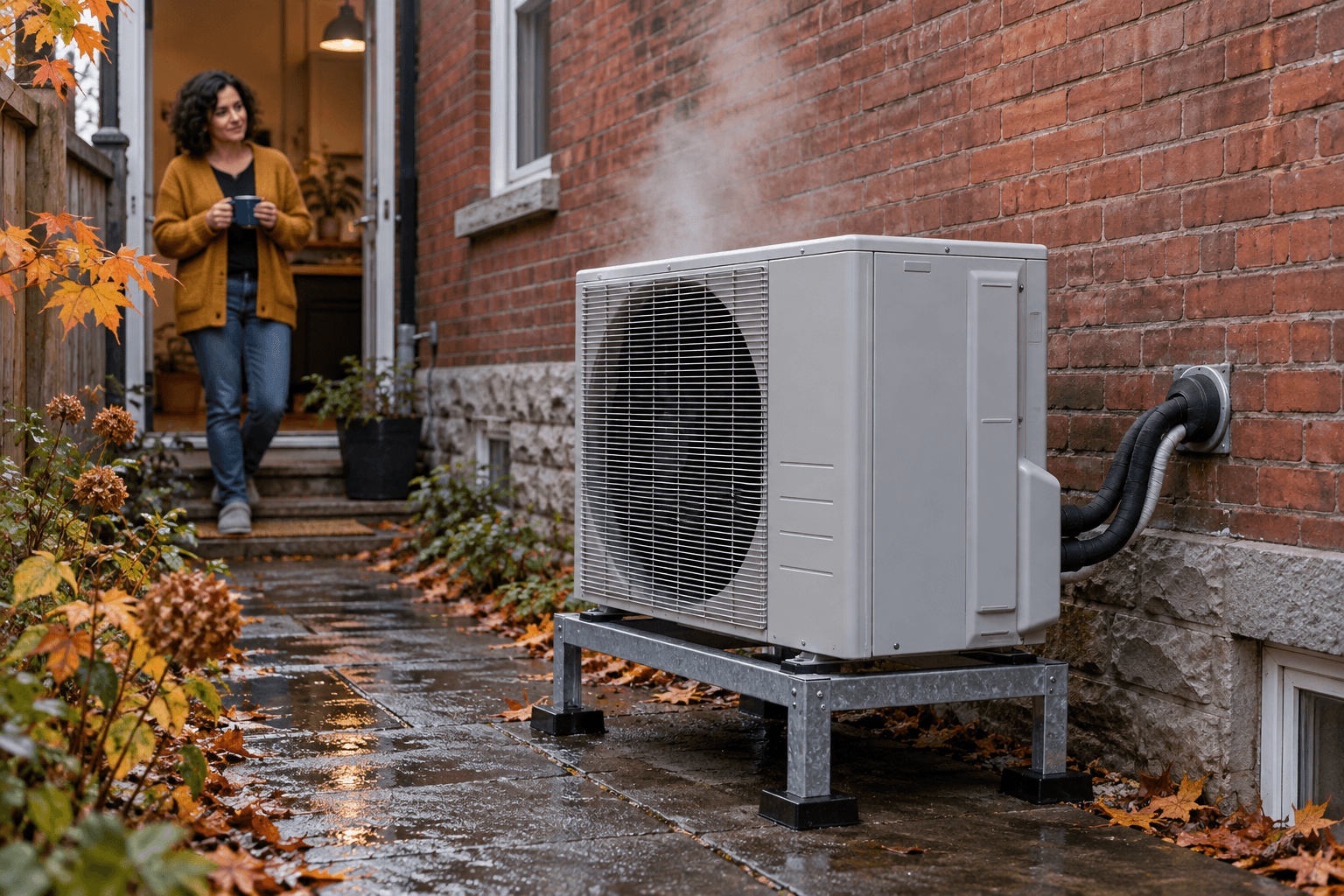
This was a week after the heat pump's harmless defrost cloud had sent me into the side yard in slippers. The outdoor machine was now behaving, at least by my recently improved standards. The kitchen window had taken over.
I wiped the sill while Jo set a little humidity meter on the counter. The blue mug was back in its usual place. Behind us, a drying rack carried two loads of laundry because it had rained all weekend. A pot was simmering with the lid off. I had pulled the blind tight against the glass the previous evening.
'Have the windows suddenly got worse?' I asked. Jo looked at the drying rack. 'Has anything else changed?' I resented how quickly that question became relevant.
First, find the water
Room-side condensation forms when moist indoor air meets glass cold enough for water to collect. Closed blinds, deep sills and furniture can restrict warm air reaching the window. That does not prove the window is defective. It does mean the glass temperature, moisture and air movement all deserve a look.
Moisture trapped between the panes of a sealed glazing unit is a different problem for a window professional. Water appearing around the frame during rain needs investigation for a leak. I could wipe mine off the inside with a cloth. At last, a useful observation instead of an expensive conclusion.
The boring changes came first
Source: Health Canada: addressing moisture and mould indoors
Health Canada recommends keeping indoor relative humidity between 30% and 50%, with moisture control suited to the home. Cold weather and cold window surfaces can require the lower end or a lower setting to avoid condensation. A single favourite humidifier number is not a rule for every window and every temperature.
- Measure room humidity with a hygrometer away from a shower, kettle or humidifier plume.
- Use bathroom exhaust during showers and kitchen exhaust when cooking. Check that these systems actually exhaust outdoors.
- Reduce indoor laundry drying and other avoidable moisture sources when the windows are getting wet.
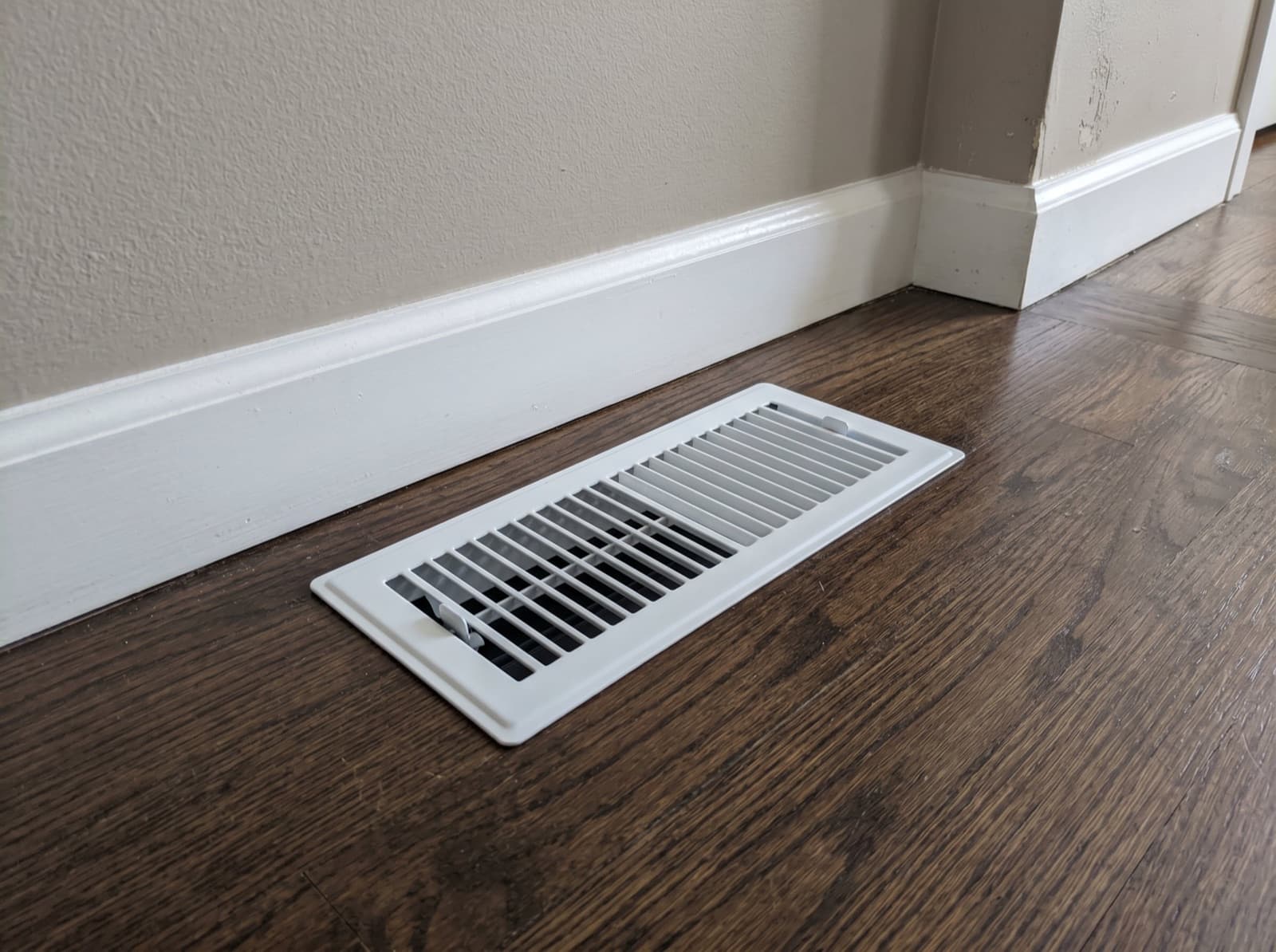
- Let room air reach the glass. Keep heating registers clear and open blinds enough for circulation.
- Wipe water off sills promptly. Persistent dampness or mould needs its cause addressed, not repeated paint.
We checked the humidifier's normal user control and the ventilation instructions. Jo did not tell me to open the furnace cabinet or dismantle a fan. If the house has an HRV or ERV, its settings and maintenance should follow that unit's guide; guessing at a switch marked 'winter' is not a ventilation plan.
I stopped changing everything at once
My first plan involved the humidifier, the thermostat, the window quote and a dehumidifier I had already put in a shopping cart. Jo asked me to keep a short record instead: outdoor conditions, indoor humidity, which windows were wet and what we had been doing in the house.
I moved the drying routine, used the exhaust fans and left room for air behind the blind. Over the following mornings I kept the notes. The window quote stayed on my phone, but I stopped treating it as the diagnosis.
If condensation persists despite reasonable humidity and ventilation, ask for the window, insulation and air movement to be assessed. A failed fan, cold surface or leak will not fix itself because you bought a more impressive humidity meter.
The laundry question was fair
I still dislike the drying rack. It blocks the drawer with the tea towels and catches my cardigan on the way past. But it was the first thing in this house I had considered innocent simply because it did not have a screen.
Jo packed up. I put the cloth where I would actually use it, beside the mug, and closed the window quote. There were smaller jobs to do first.