When the lights went out, I was briefly pleased that we had kept the gas furnace as backup. Then I remembered the blower, controls and other electrical parts. Backup heat and backup electricity were not the same arrangement.
We found the torches and checked the outage information. The heating-system question would have been much easier to answer the week before, with the lights on.
Plan for the complete system
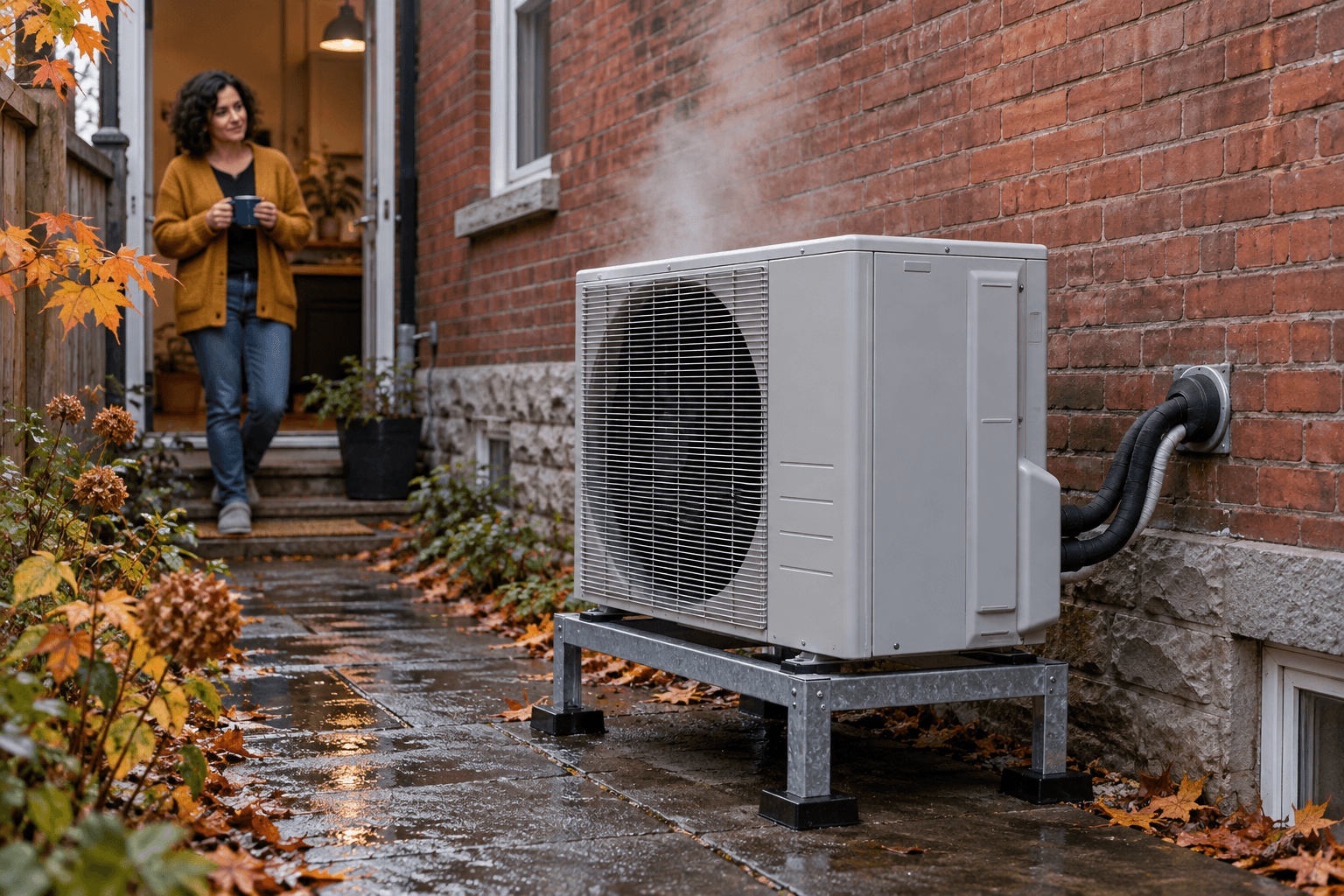
Canada's emergency-preparedness guidance recommends planning for power loss and obtaining advice from a licensed electrician before installing a generator. A heating system's electrical requirements include more than the outdoor compressor. A fuel-burning furnace generally still relies on electricity to operate.
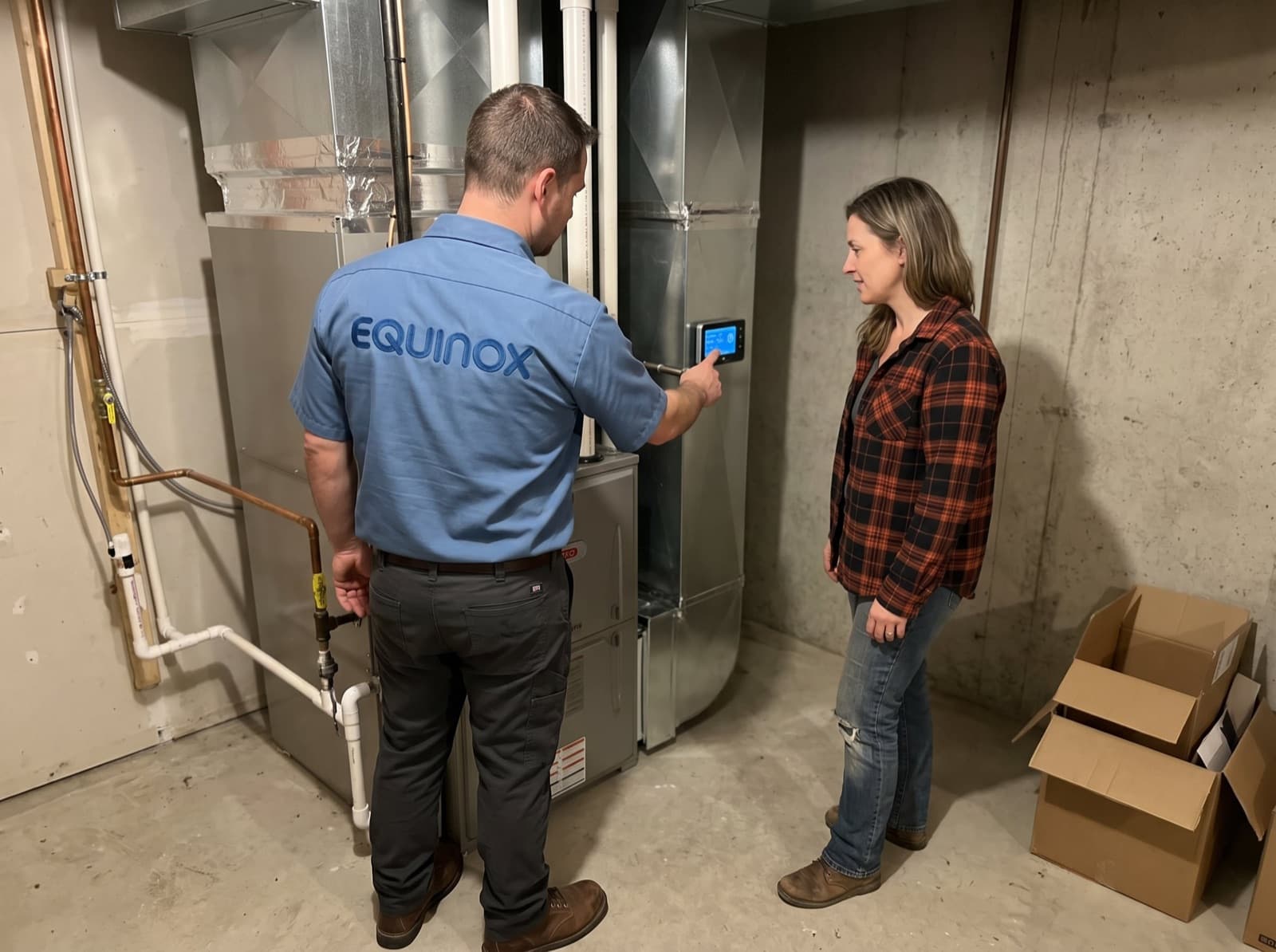
I asked for an assessment of the actual equipment and the safe way any backup supply would connect. I did not assume a portable generator could run the heat pump, or that an extension cord could substitute for a properly designed connection.
Keep the emergency plan independent of the thermostat
Fuel-burning generators must be used safely outdoors, away from openings, according to their instructions and official guidance. Never run one in a house or garage. Never connect a generator to household wiring through an outlet.
Our household plan included somewhere warm to go if necessary, charged communication devices and arrangements for anyone needing extra help. We followed local emergency advice rather than waiting until the house was uncomfortable to decide.
When power returned, we followed the equipment's restart guidance and checked for fault indications. We didn't repeatedly cycle breakers to hurry it along.
I changed one sentence in our house folder afterward. It now named the backup heating source and separately stated whether we had backup power. That small clarification removed a large assumption.