
The cheaper proposal was shorter. That was the first thing I noticed when I spread both printouts beside the toast. One named three pieces of equipment; the other said 'heat pump system'. I had been comparing the bold numbers at the bottom.
I opened a notebook and made room for answers that would not fit in a price column. It was a more useful way to spend breakfast than trying to decide which brand name sounded reassuring.
Give both proposals the same questions
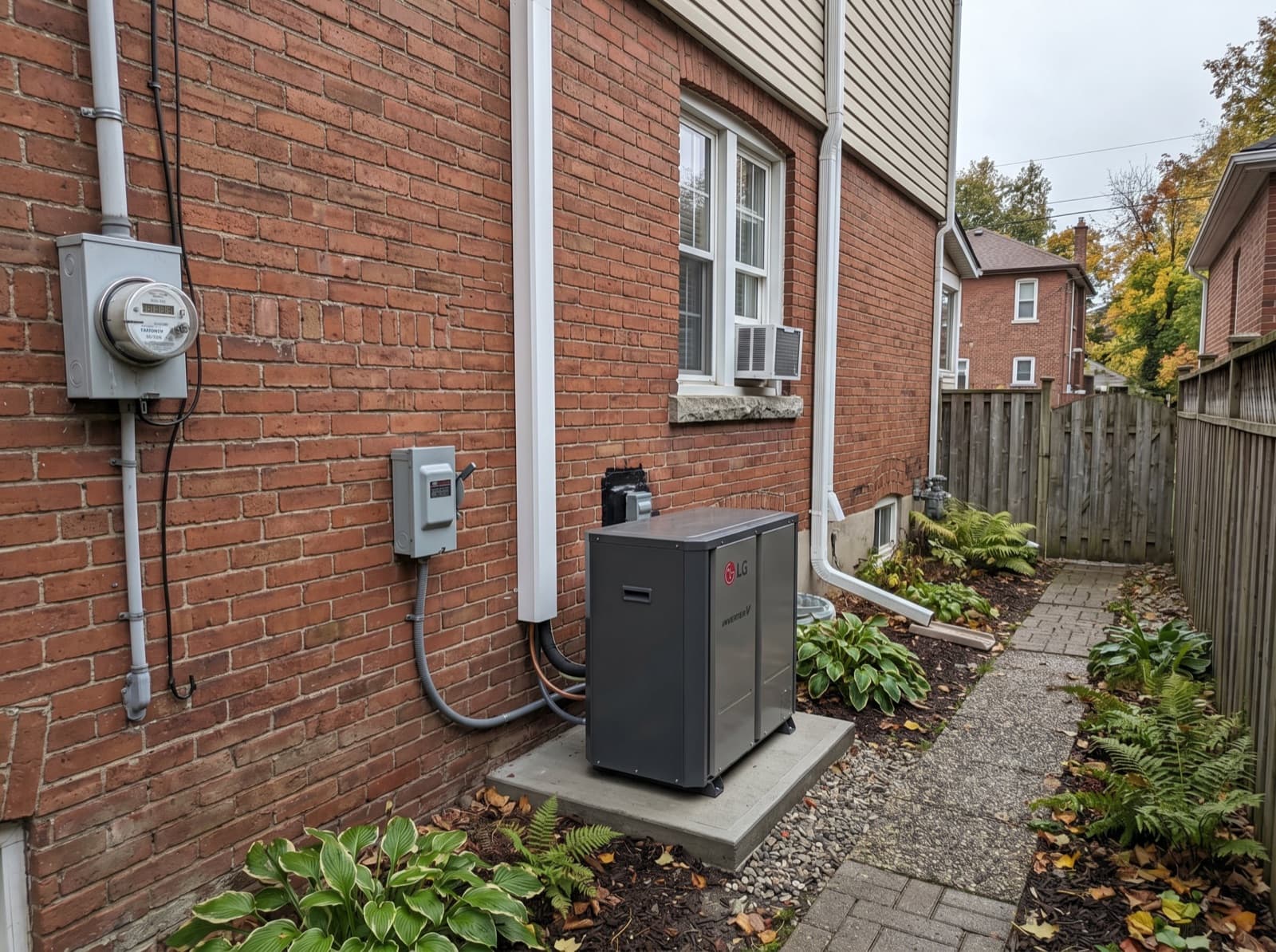
ENERGY STAR's installation guidance calls for an onsite assessment, a detailed bid and attention to duct airflow. I asked each contractor to identify the indoor and outdoor models, the controls, and the work required to connect them to our house.
My list included electrical work, permits or inspections where applicable, line routing, drainage, equipment removal and any finishing excluded from the price. 'Included' needed to mean the same thing on both pages. An allowance for work discovered later also needed an explanation.
Ask how the house will be heated
Source: Natural Resources Canada: air-source heat pump sizing and selection
NRCan's sizing guidance considers the building's heat loss and the intended role of the heat pump. I asked for the design basis, the backup arrangement and an explanation of when the system would use it. A model's nominal capacity alone did not answer those questions.
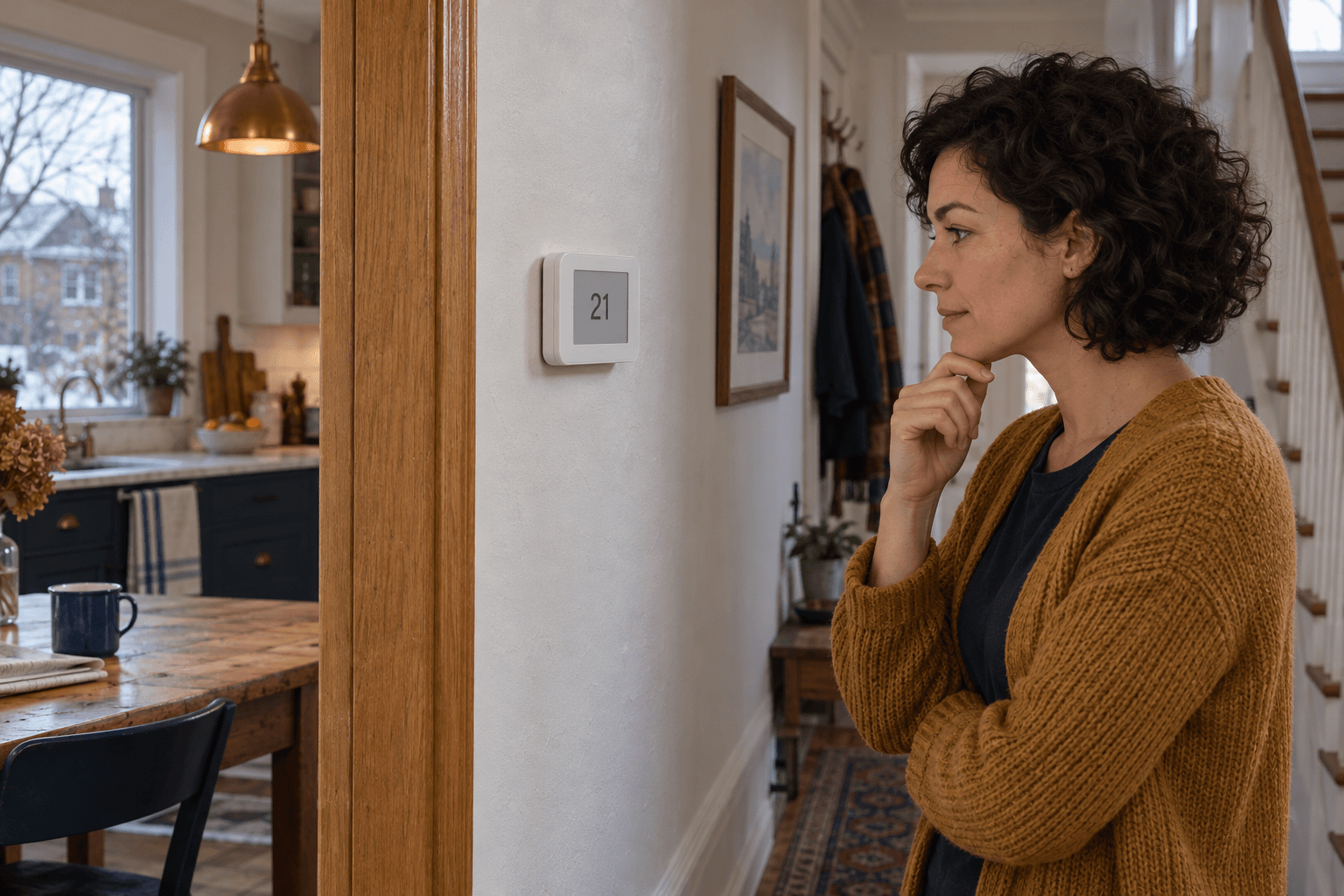
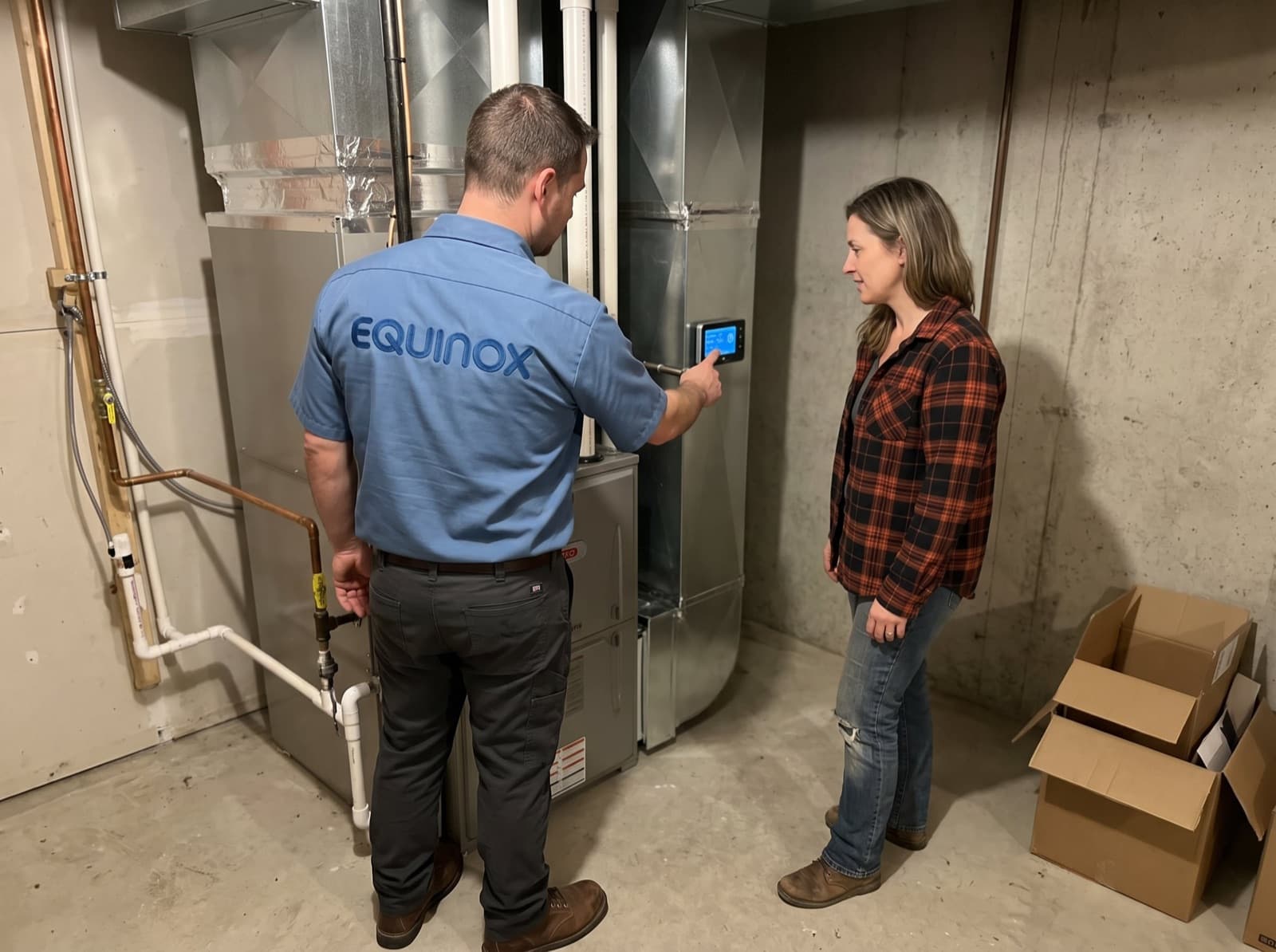
Then I added service access, operating instructions, warranty terms and the records we would receive at handover. I wanted someone to show us the controls, not leave the remote in a drawer.
Both contractors had a chance to clarify their scope. I didn't assume the shorter quote was wrong, or the longer one complete. By the time I compared the totals again, I knew which work each total actually bought. The toast was cold. The decision was less vague.