The best time to collect equipment records is when the installation is complete and everyone still knows what was fitted. The next best time is an ordinary afternoon, before a service call makes the information urgent.
A small digital folder and a paper summary are enough. The aim is to find the correct information quickly, including when internet access is unavailable.
Keep the identity of each component
Manufacturer warranty resources, such as Carrier Canada's, use model and serial information to locate applicable records and documents. A brand name alone is often insufficient.
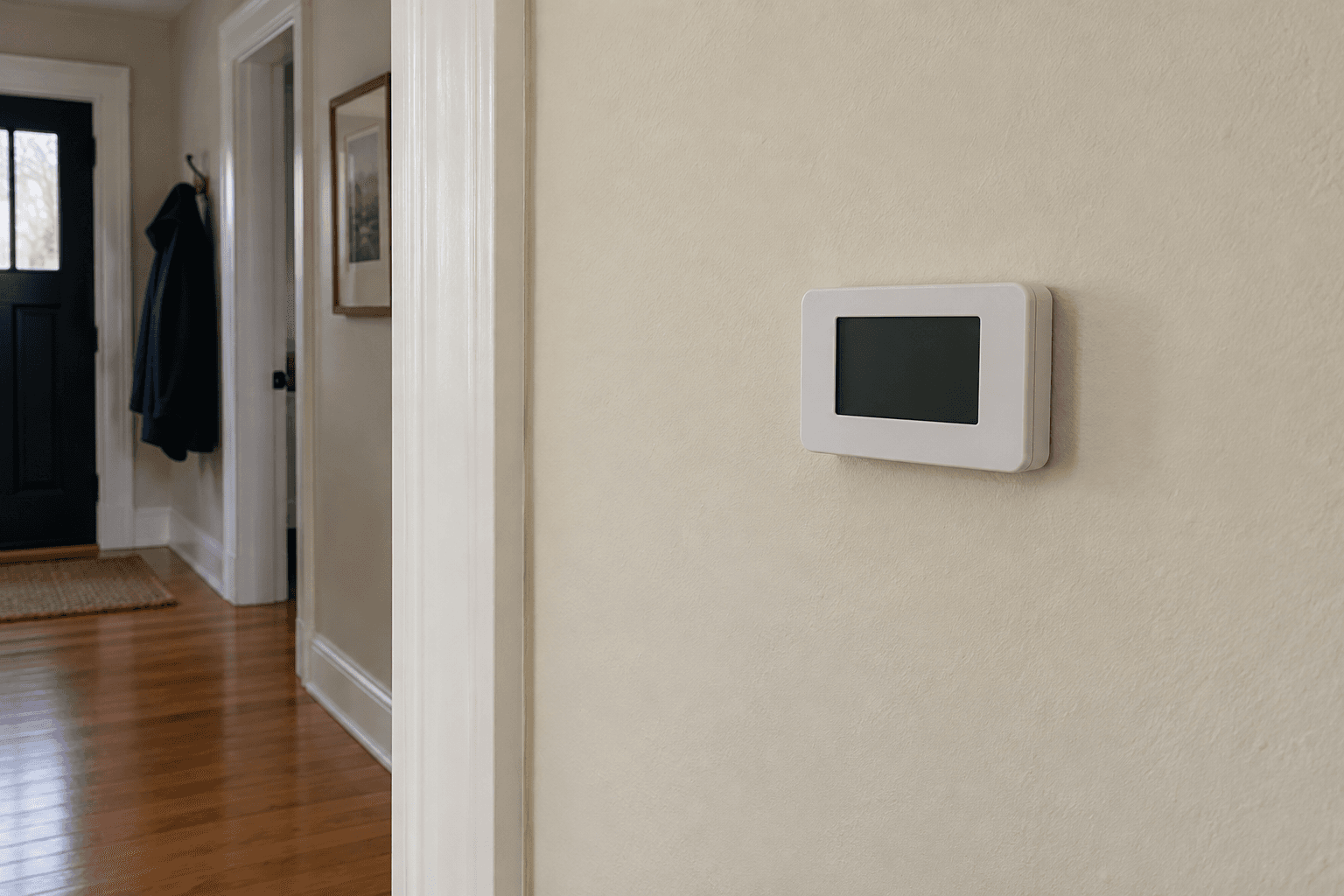
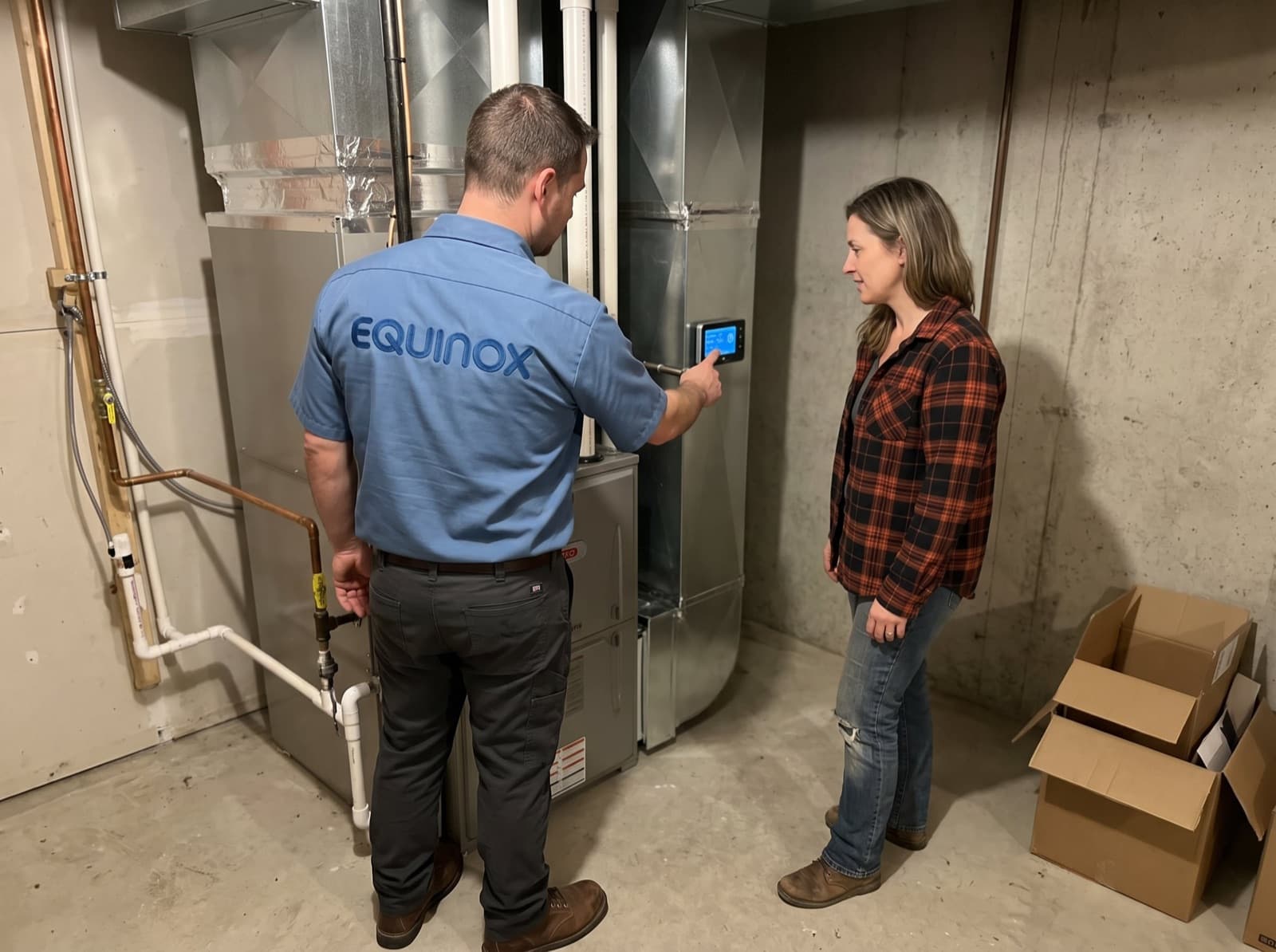
Save the indoor and outdoor unit details, thermostat model and any ventilation, humidity or zoning accessories. Use installation paperwork or safely accessible labels; ask the service technician for anything that requires opening equipment.
Photographs should be clear enough to read later. Label them by component so the outdoor unit's serial number is not mistaken for the furnace's.
Documents worth retaining together
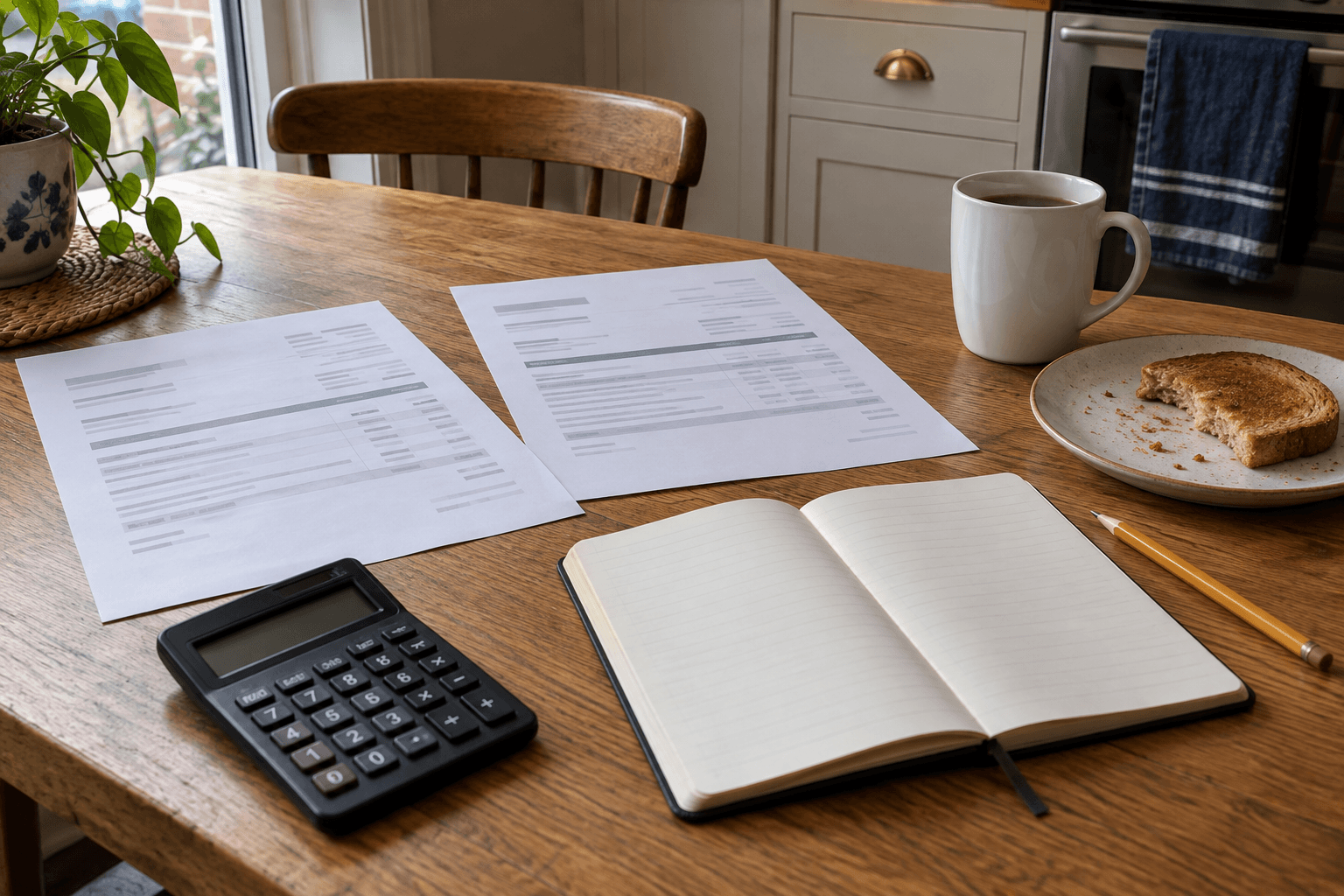
- Final invoice, installation date and contractor contact.
- Equipment manuals and approved filter specifications.
- Warranty certificates and registration confirmation.
- Commissioning and service reports.
- Applicable electrical acceptance and other completion records.
- Rebate approval and submission documents.
For later repairs, add the date, diagnosed fault, work completed and parts replaced. A short factual history is more useful than a collection of unexplained invoice totals.
Keep account passwords and access codes in an appropriate password manager rather than on a sheet handed to every visiting contractor. The equipment folder can identify which app is used without exposing credentials.
When requesting service, share the relevant model, symptoms and recent history. The whole folder rarely needs to be sent.
Review the file after each significant change. A replacement thermostat or outdoor unit should have its own current record, while the old paperwork remains clearly identified as history.