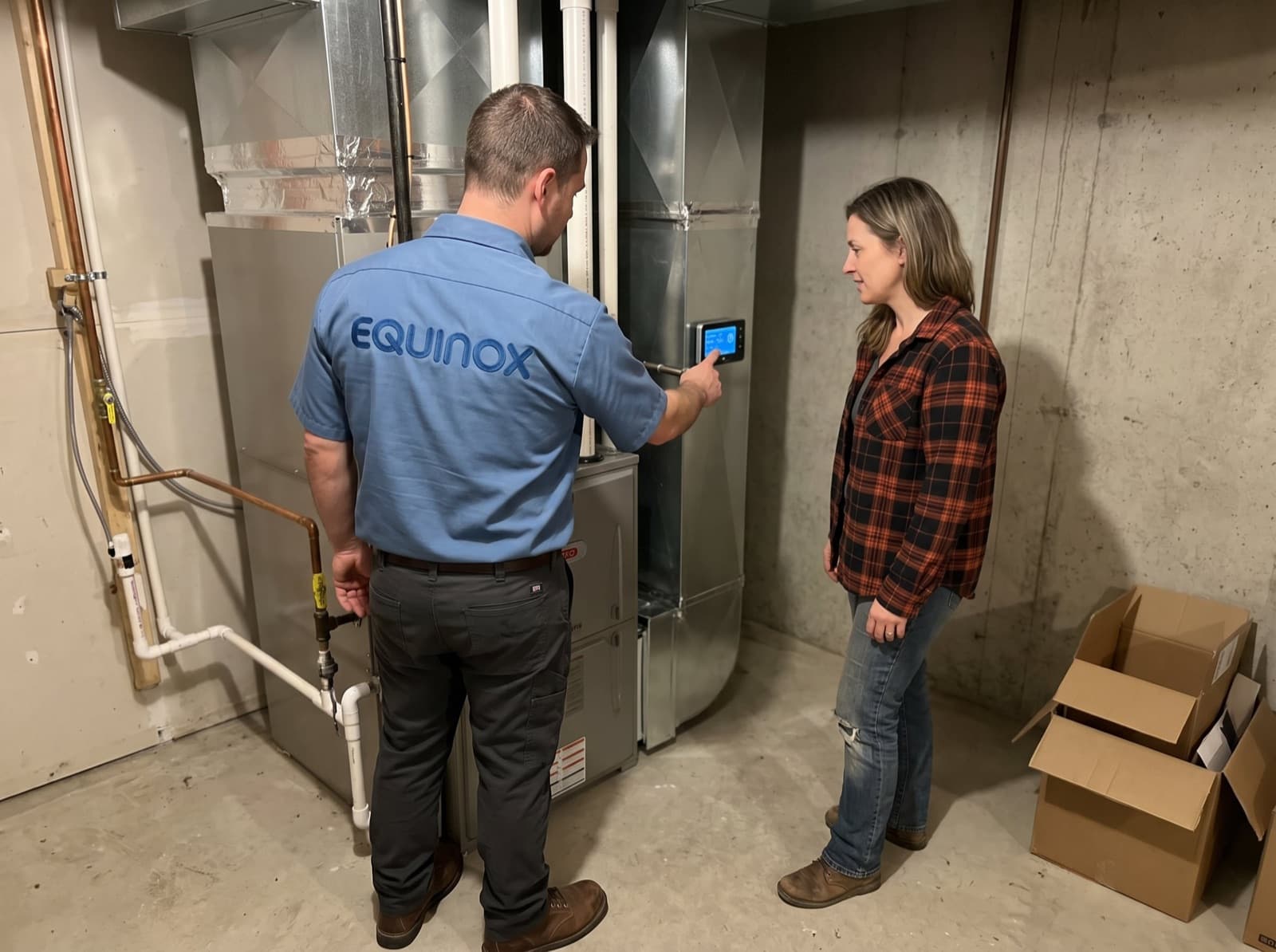

A long warranty headline is useful only when you know what it covers. The manufacturer may cover certain parts while labour, diagnosis or service charges follow different terms.
Before purchase, request the warranty certificate for the proposed equipment and the contractor's written workmanship coverage. Keep those documents distinct so each promise has a clear provider.
Read the terms for the actual equipment
Source: Carrier Canada: warranty coverage and possible charges
Carrier Canada's warranty guidance, for example, directs owners to the applicable certificate and notes that dealer charges can remain under parts coverage. Registration, ownership and jurisdiction can also affect terms.
Do not assume a warranty described for another model or country applies to your installation. Ask the contractor to identify the correct Canadian documents and explain any registration step.
If registration is required for a benefit, confirm who will complete it and how you will receive proof. Saving that confirmation is easier than trying to reconstruct it during a repair.
Ask about the service visit too
- What parts and labour are included, and for how long?
- Are diagnosis, travel, processing or other charges separate?
- What maintenance records are required?
- What happens if the home changes owners?
- Who should you contact if the original installer is unavailable?
For additional paid coverage, compare its exclusions and provider with the protection already included. A maintenance agreement and a repair warranty may cover different things.
After installation, keep the serial numbers, invoice, certificates and registration evidence together. If a claim arises, ask for the coverage decision and any owner-paid amount before authorizing the work where practical.
The aim is a clear service expectation. Knowing which document covers which cost makes the warranty more useful when you need it, and makes proposals easier to compare before you buy.