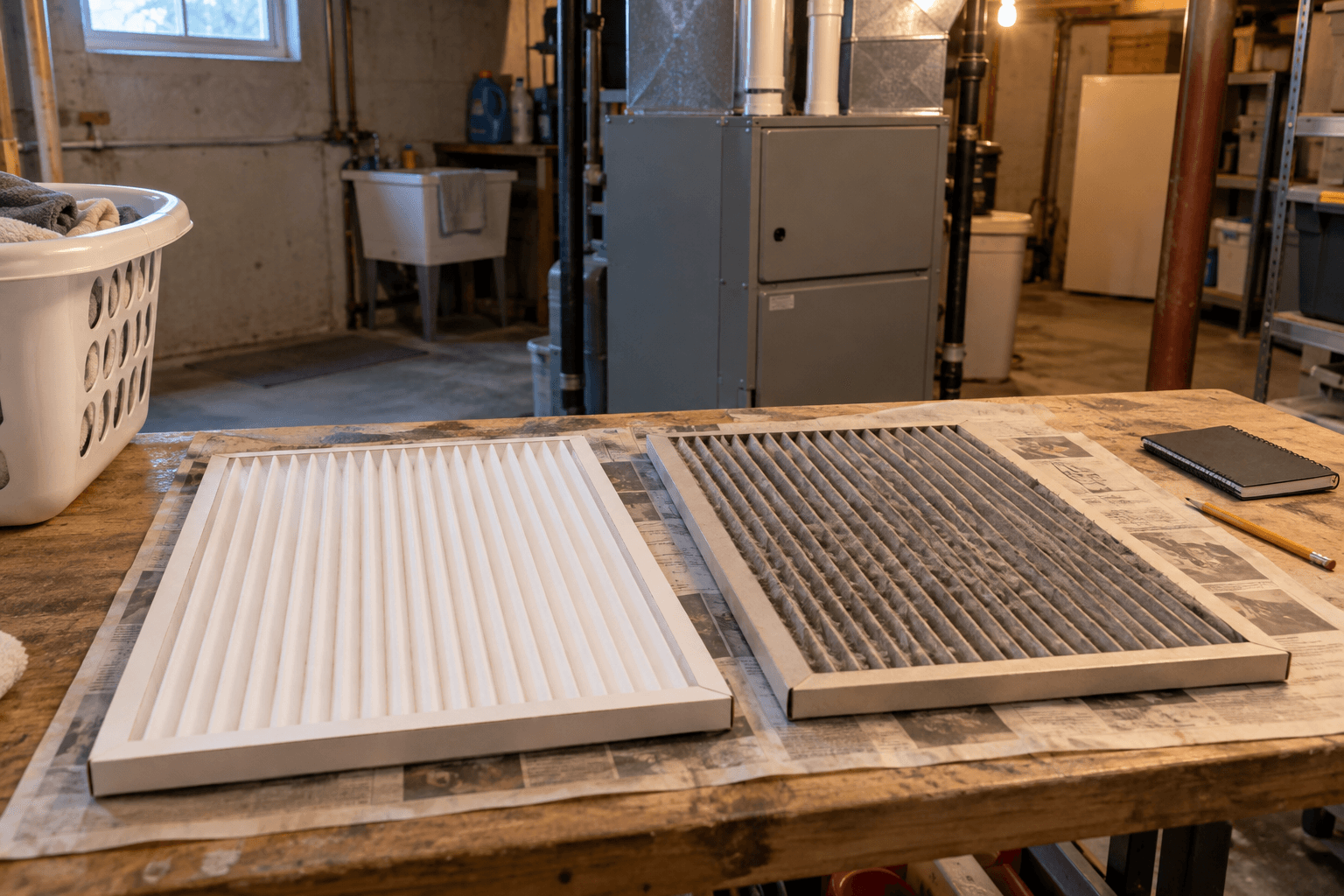
One small shelf still produces sanding dust. Before starting, decide where that dust will be captured and how the space will be cleaned. The furnace filter should not be the first collection point for a hobby project.
Know what you are about to disturb
Untreated wood, an old painted chair and a powdered craft material are different jobs. Identify the material and any coating, then read the product's safety information. An unknown old finish should not be dry-sanded casually in a living area.
Health Canada's art-material guidance describes hazards that vary by material and technique. A ventilation arrangement suitable for a small wood project is not automatically suitable for resin, solvent, spray finishing or ceramic powders.
If you cannot identify the hazard or provide the required controls, change the method or arrange appropriate professional work. Buying a general-purpose room purifier does not resolve an unknown-material problem.
Collect the dust where it is produced
Source: CCOHS: controlling wood dust
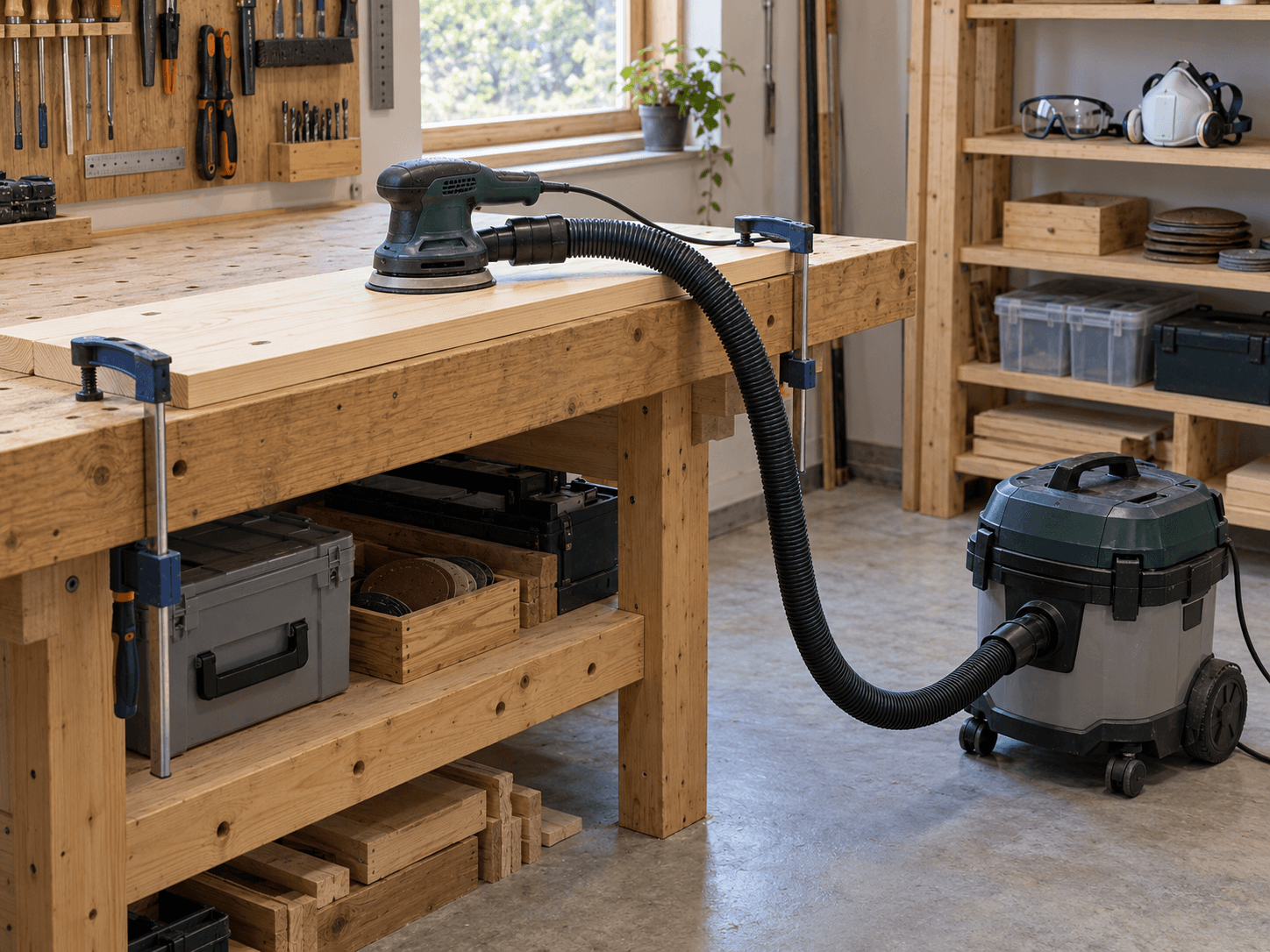
CCOHS recommends measures such as reducing dust generation, on-tool extraction and suitable ventilation. Match the extractor, filter, bag and hose to the tool and material. A hose that fits loosely or a full collection bag can defeat an otherwise sensible setup.
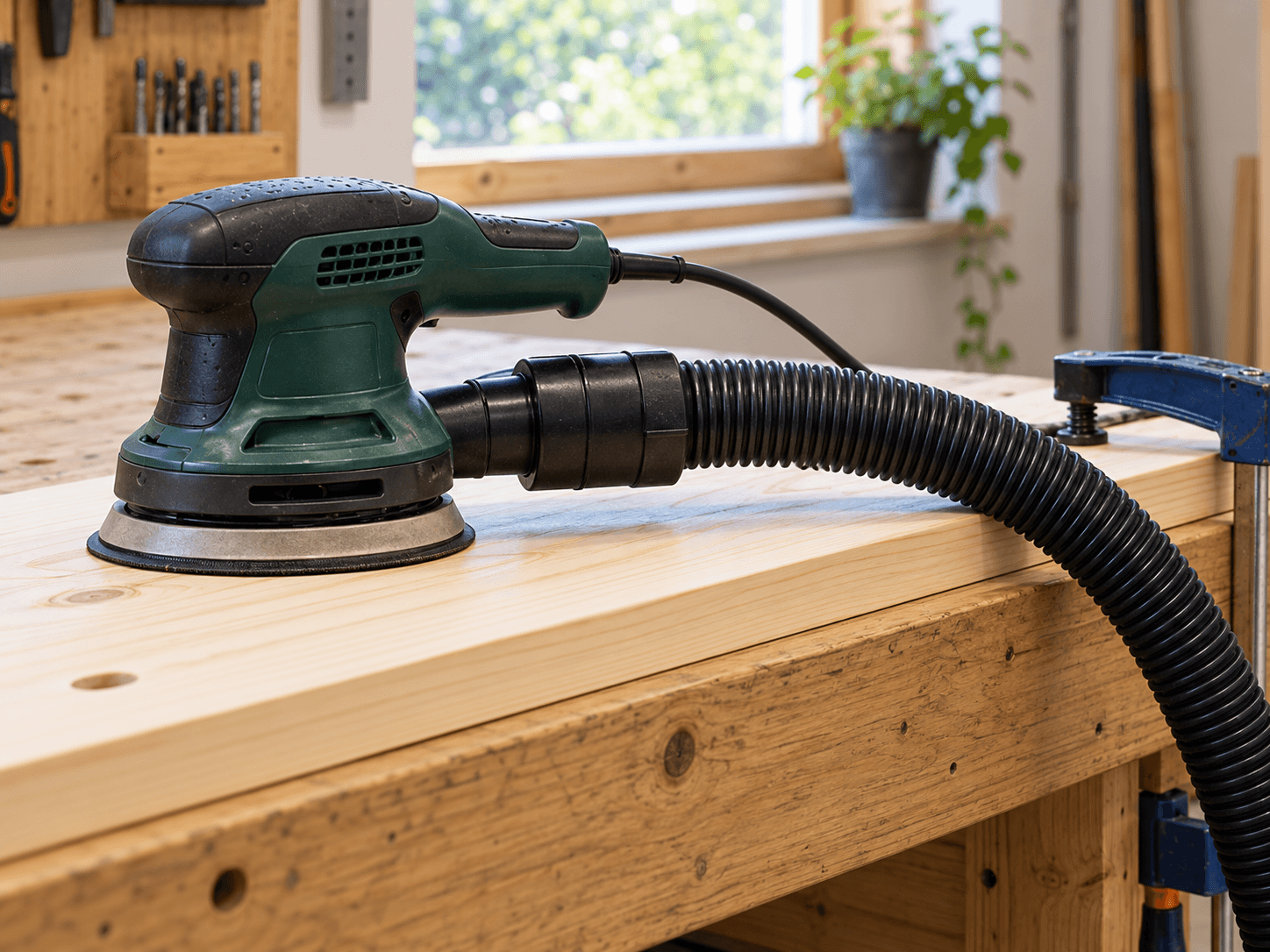
Choose a work location that keeps dust-producing activity separate from occupied living space. Do not point a desk fan at the job and let it distribute dust through the room. Where extraction discharges outdoors, its arrangement must suit the building and avoid nearby people or air intakes.
Follow the material and tool guidance for eye, hearing and respiratory protection. A respirator is part of a suitable work plan, not a substitute for controlling dust at the source.
Include cleanup in the job
Do not intentionally draw workshop dust into a household return grille. Discuss repeated indoor hobby work with an appropriate ventilation professional; do not tape over system openings and continue operating the HVAC without a plan.
CCOHS advises cleanup methods that avoid putting dust back into the air, such as appropriate damp wiping or a suitable HEPA-filtered vacuum. It specifically advises against using compressed air to blow dust from equipment, furniture or clothing.
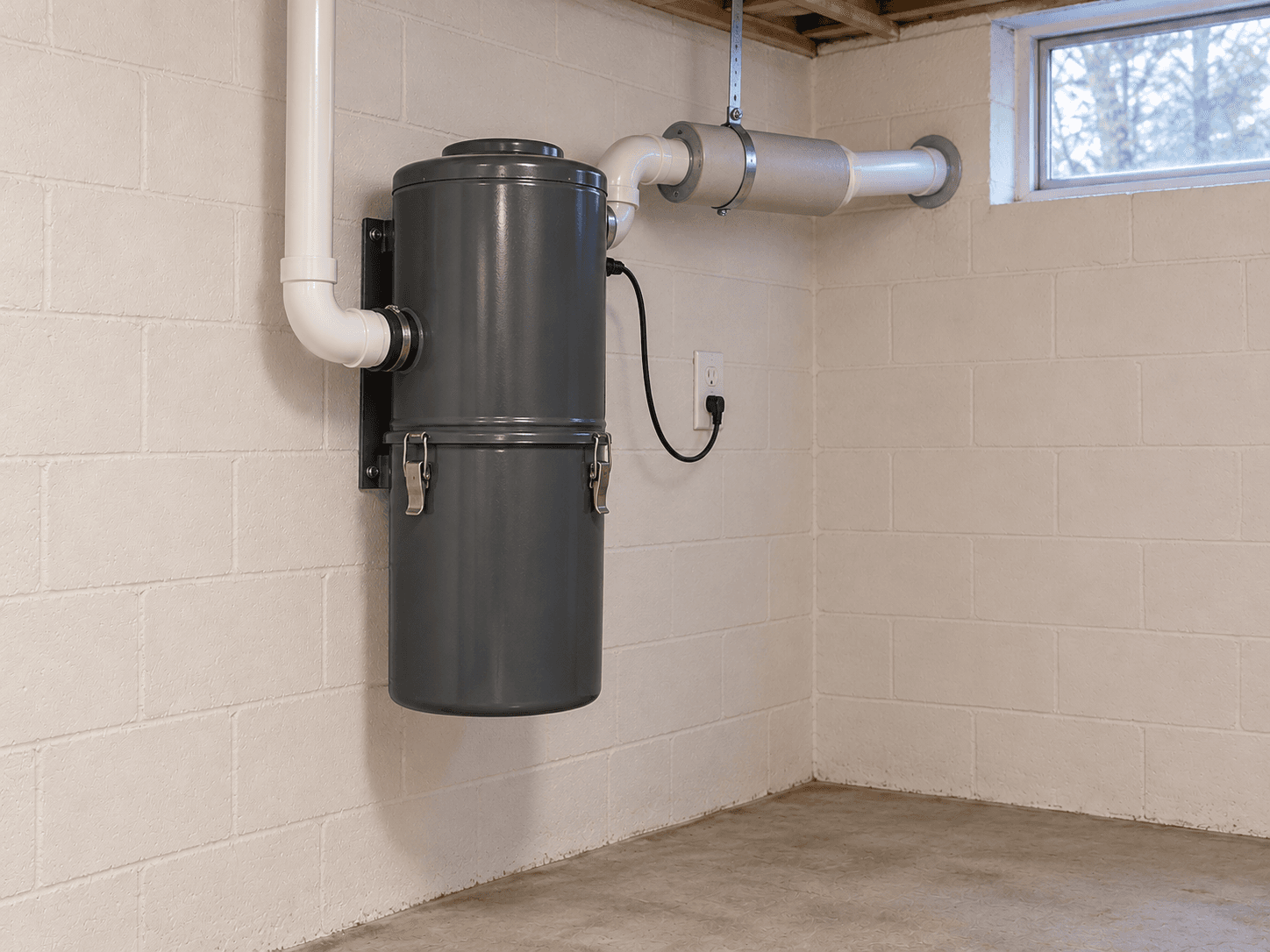
Follow the extractor's emptying procedure and contain collected waste. A conventional central vacuum is not automatically approved for fine workshop dust; check its instructions before connecting it.
When the project is finished, check nearby surfaces and the route back into the house. Clean the work area and dusty clothing as directed before carrying the project through living rooms. The last ten minutes of a hobby session deserve a place in the plan.