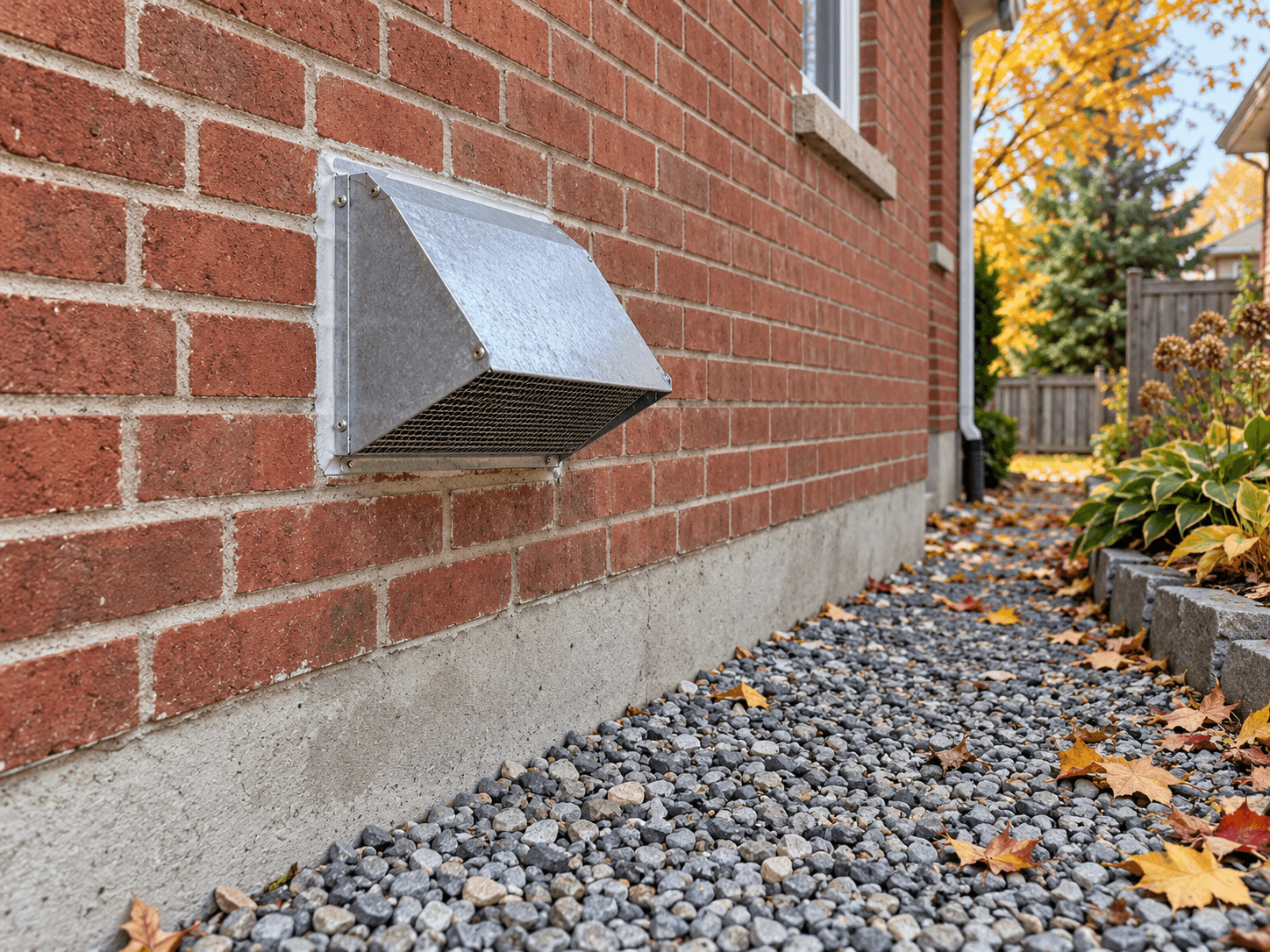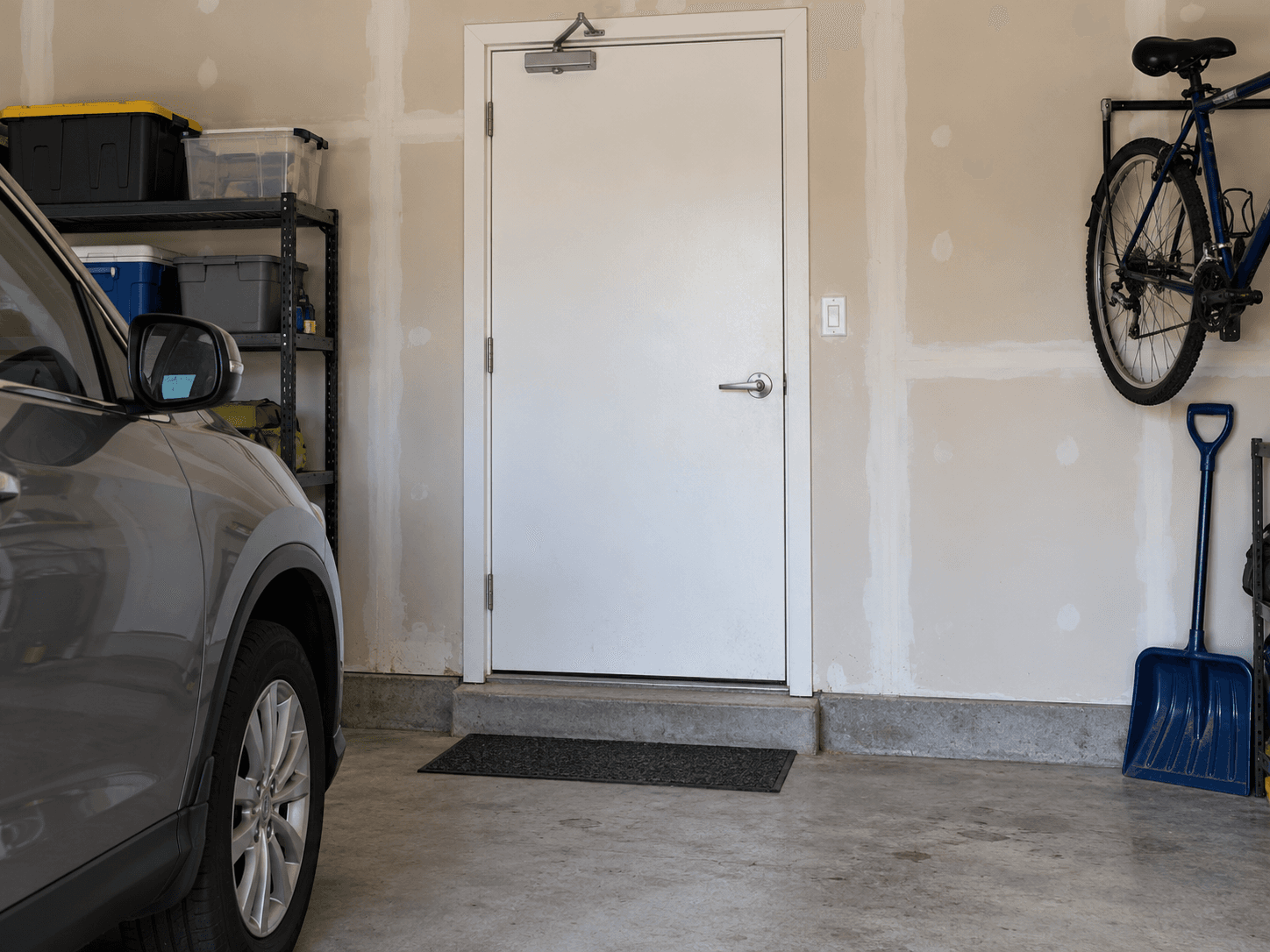
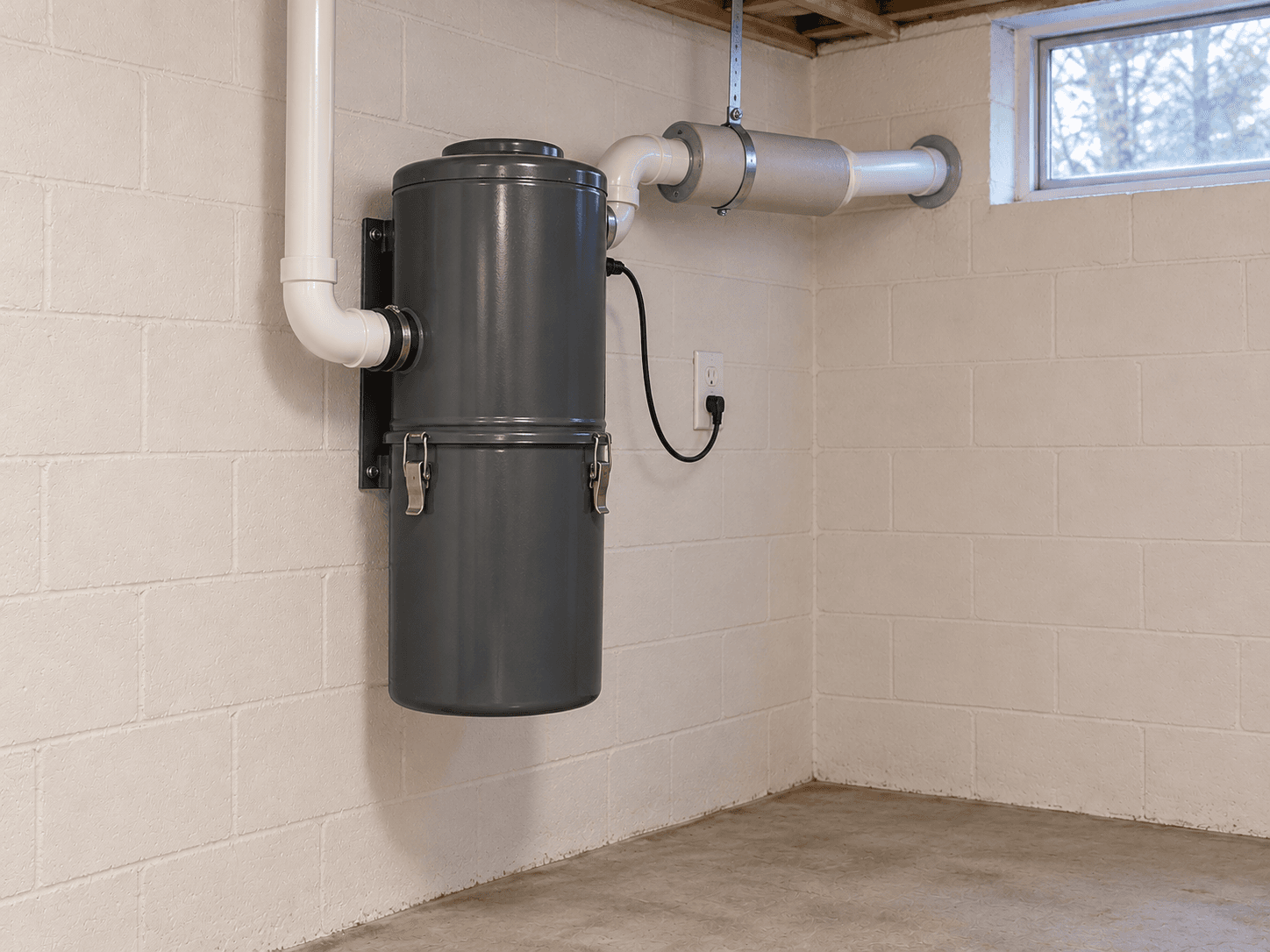
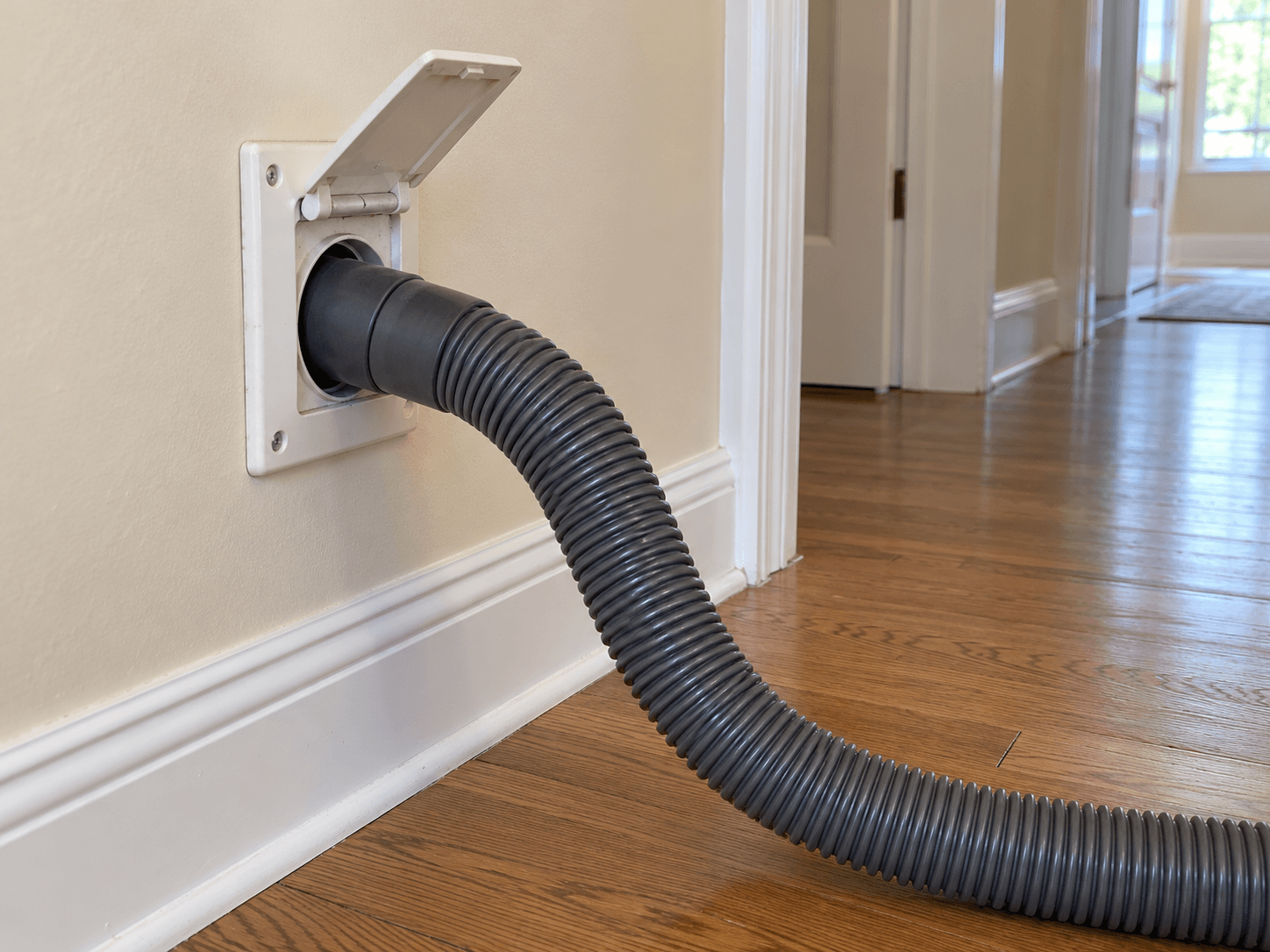
The hose disappears into a wall inlet and dust collects in a remote bucket. The air still has to leave the power unit. Some installations send that exhaust outdoors; others release it near the unit. Find out which arrangement you have.
Separate suction from exhaust
Source: Broan-NuTone Canada: central vacuum exhaust and maintenance
The pipe from the household inlets carries dust-laden air toward the collection unit. The exhaust leaves the motor or filter assembly through a different outlet, sometimes with a muffler. Trace the visible route without disconnecting pipes or removing electrical covers.
Broan-NuTone Canada recommends outdoor exhaust for its central vacuum systems, while noting that the recommendation is not mandatory for every installation described by its FAQ. Do not turn that manufacturer guidance into a blanket rule for all brands and models.
Use the installation instructions
Record the power-unit model and look for its exhaust requirements. Cyclo Vac's guidance, for example, makes the installation arrangement and room size relevant to outdoor ventilation. The exact manual takes priority over a general photograph or a neighbour's setup.
If exhaust piping disappears into a wall, ask the installer where it terminates. Include the outdoor outlet in the review of nearby windows, ventilation intakes and other contamination-sensitive locations. Do not redirect it into an attic, wall cavity or another enclosed space.
If adding outdoor exhaust, ask about permitted pipe routing, resistance, weather protection and the effect of exhausting air from the house. The vacuum should be considered alongside other exhaust equipment where pressure or combustion interactions are a concern.
Keep the filter and bucket part of the check
Isolate power before owner maintenance as the manual directs. Empty or replace the collection bag at the specified point, and clean or replace filters only by their approved method. Refit the bucket, seals and latches correctly.
Persistent dust near the unit, a damaged filter or a change in suction deserves investigation. A full bag, a poor seal and a restricted exhaust are different problems; moving the outlet does not repair all of them.
Do not use a normal household central vacuum for hot ashes, liquids or renovation dust unless the manufacturer explicitly permits the material and setup. Broan-NuTone's residential guidance excludes drywall dust.
Keep the manual and filter reference with the equipment record. Once the complete route is known, a future change in noise, dust or suction is much easier to describe to service personnel.