The renovation schedule listed demolition, plumbing, drywall and paint. It did not say how the occupied upstairs would be protected from dust. I added that question before we agreed on the start date.
Buying extra furnace filters seemed easy. Deciding how the work area would be separated, ventilated and cleaned needed a conversation with the people doing the work.
Identify materials before making dust
Health Canada advises professional assessment of materials that may contain asbestos before renovation. Appearance alone is not a reliable way to identify them. Suspect material should not be drilled, sanded or broken as an experiment.
We asked the contractor how material risks, including older coatings, would be assessed and handled. A household air cleaner and a fresh furnace filter were not substitutes for the required precautions.
That conversation happened while the walls were intact, when there was still time to adjust the sequence and arrange qualified help.
Include the air system in the work plan
Health Canada's indoor-air guidance highlights source control and suitable ventilation during renovation. We asked for a plan covering the work area, occupied rooms, dust-producing tools, cleanup and any equipment shutdown or isolation.
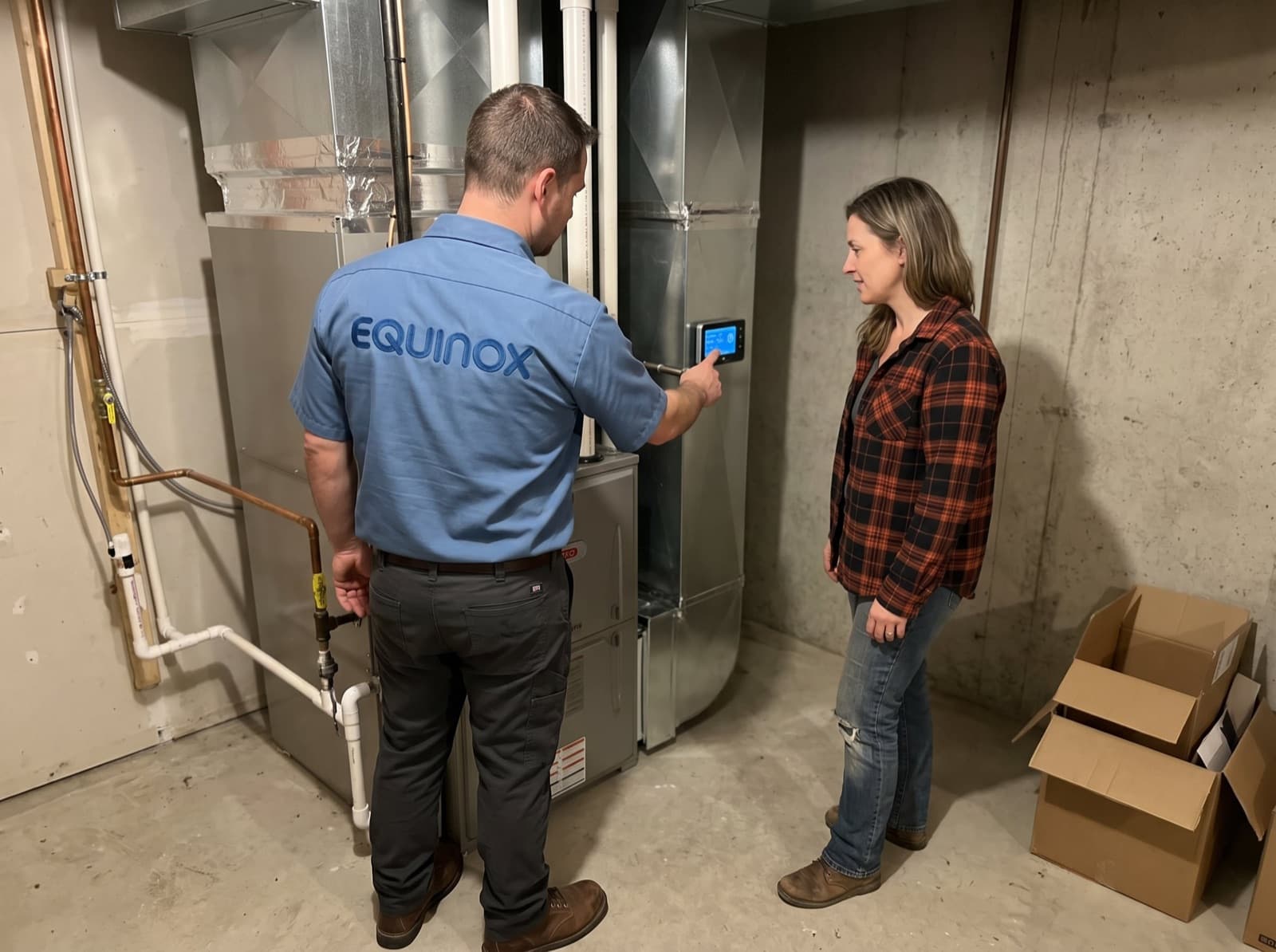
The HVAC contractor needed to be involved if air paths or operation would change. We did not tape off a collection of returns and leave the system running against the obstruction.
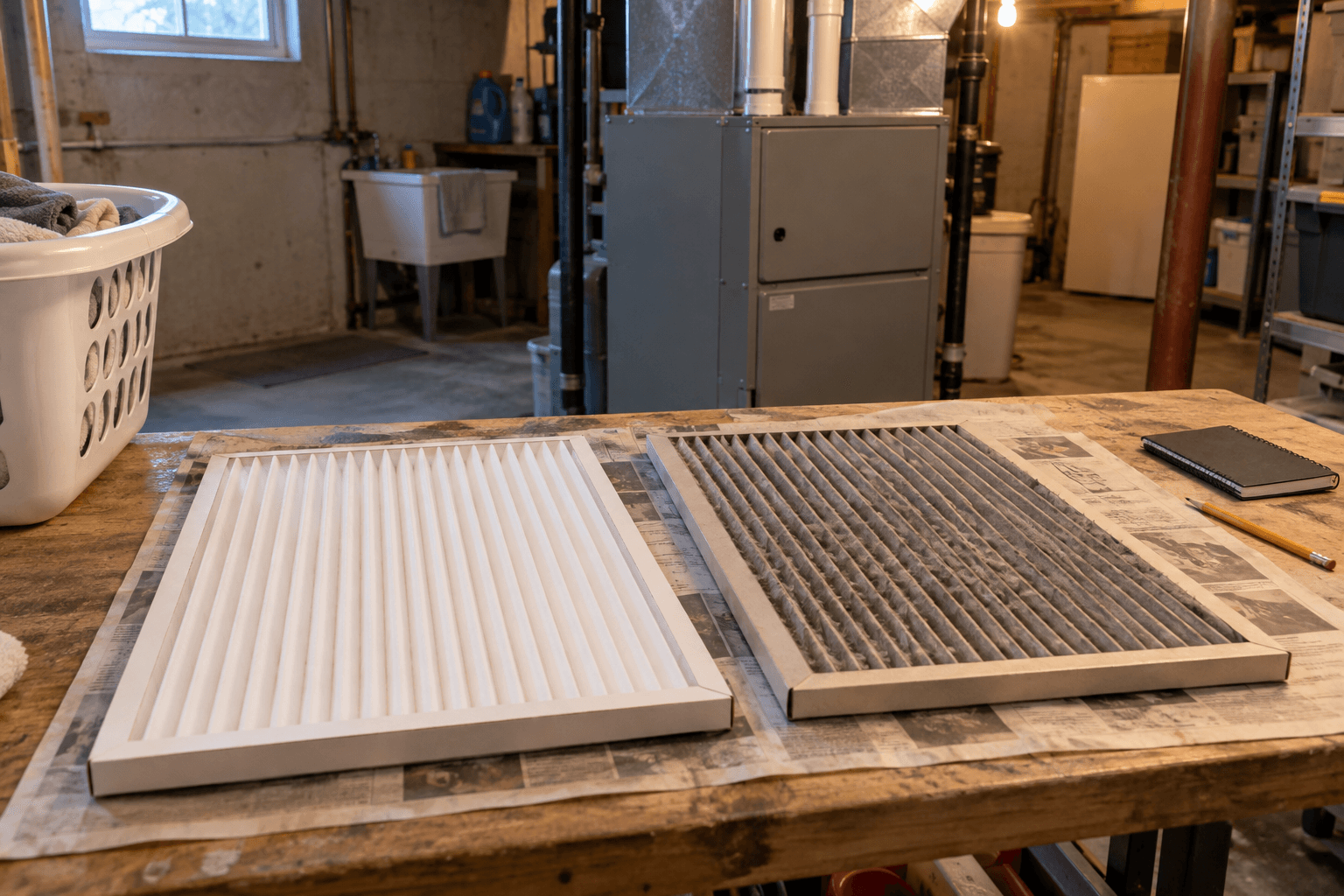
We also agreed who would inspect and replace loaded filters, when the system could resume normal operation, and what would happen if debris entered it. Those responsibilities belonged in the schedule, alongside the visible construction tasks.
At handover, I wanted the work area and affected equipment checked, not simply the smell of fresh paint. The useful preparation was asking about air and dust early enough that the contractor could include them in the job.