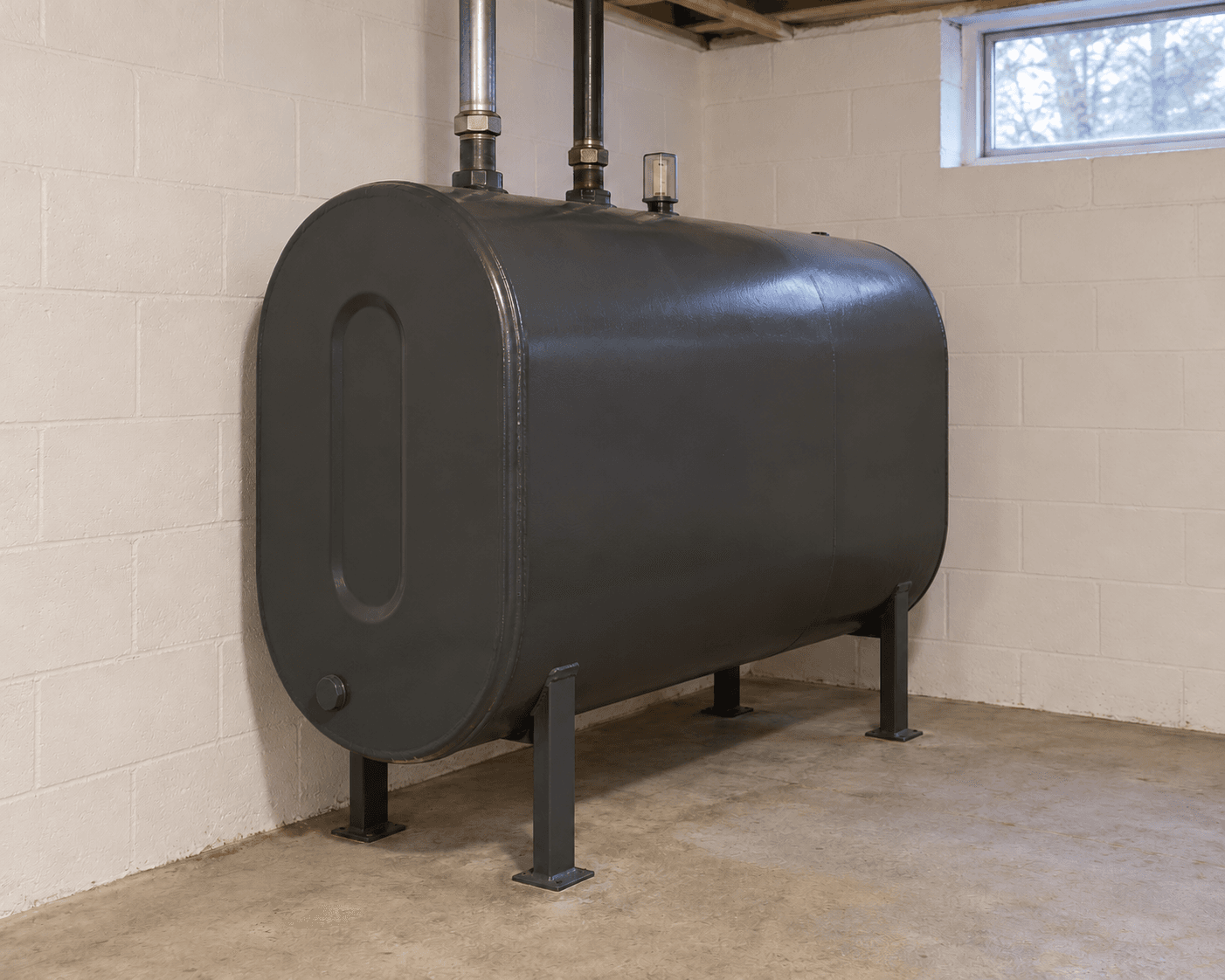
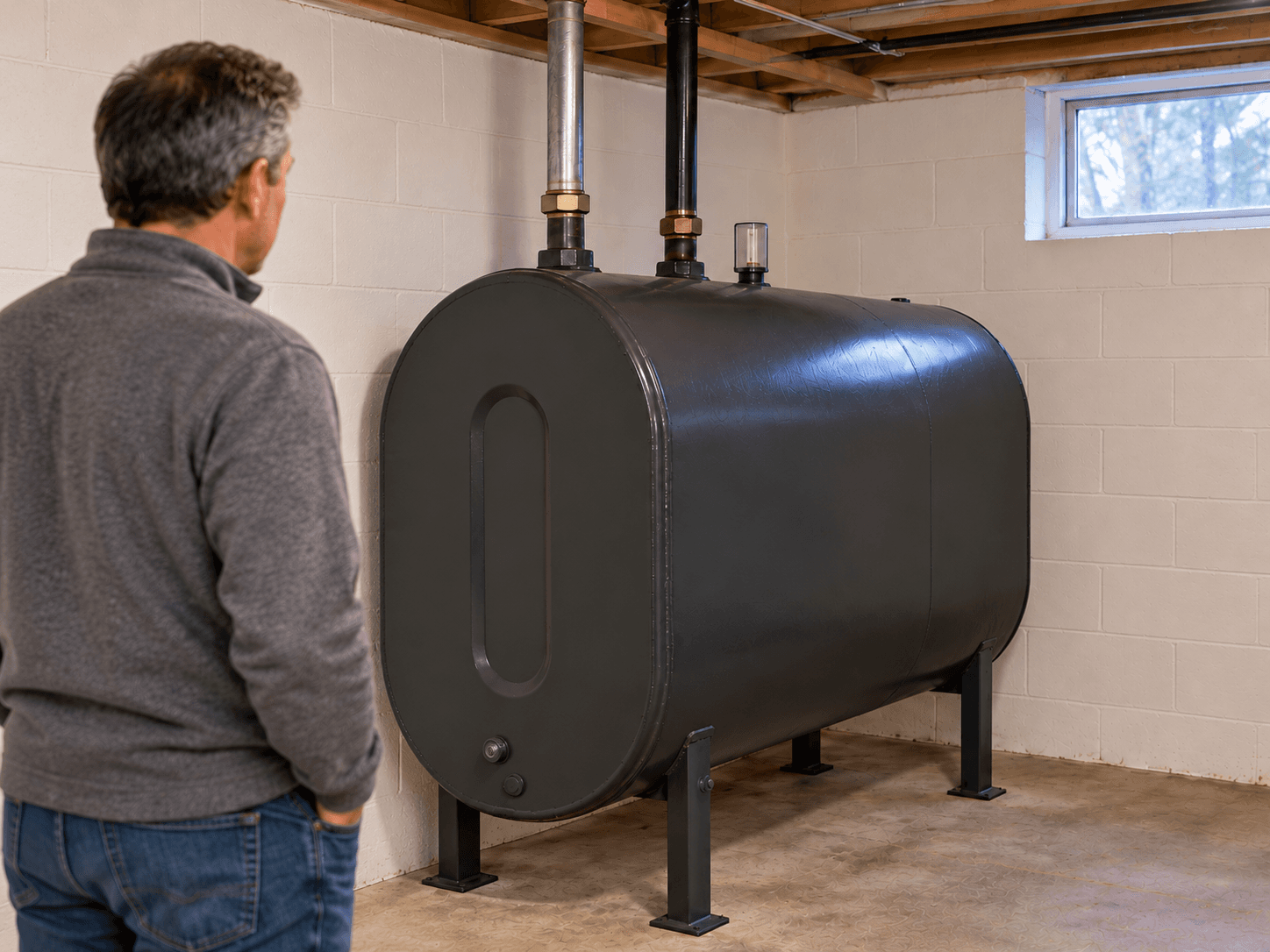
I thought switching from oil meant replacing the thing that heated the rooms. Then I followed the conversation to hot water, the tank and the electrical panel. My one-line project had acquired several trades before I had chosen a heat pump.
I started with an inventory: what used oil, what would remain, and what would supply each service afterward. The tank was an obvious item. The hot-water arrangement was less obvious, which was a good reason to identify it before anything was disconnected.
Decide what the finished house must do
I asked for the proposed heating coverage, the plan for cold-weather backup and how domestic hot water would be supplied. A heat pump serving the main floor would not, by its presence alone, retire every oil appliance downstairs.
- Identify every oil-fired appliance and whether it stays or goes.
- Include the proposed electrical loads and any necessary electrical work.
- Explain how rooms outside the new system's coverage will be heated.
- Show the sequence that keeps necessary heating and hot water available during the change.
I wanted separate line items for those decisions. That made two proposals easier to compare than two large totals headed 'heat pump installation'. It also exposed who was responsible for the work between removing one system and commissioning another.
Check the program that actually applies to your address
Source: Natural Resources Canada: Oil to Heat Pump Affordability program and partner jurisdictions
Checked October 20, 2026: NRCan's directly delivered Oil to Heat Pump Affordability intake closed on July 31, 2026. Its page directs residents of participating provinces and territories, including Ontario, to their separate program information. An old federal headline is not an approval for a new project.
I would confirm current eligibility, application timing, eligible costs and required completion records before committing to dates. Existing applicants also need to check their own deadlines. A contractor's estimate of an incentive belongs beside the purchase price, not in place of it.
Give tank retirement its own scope
Source: TSSA: fuel-oil storage tanks and underground tank removal
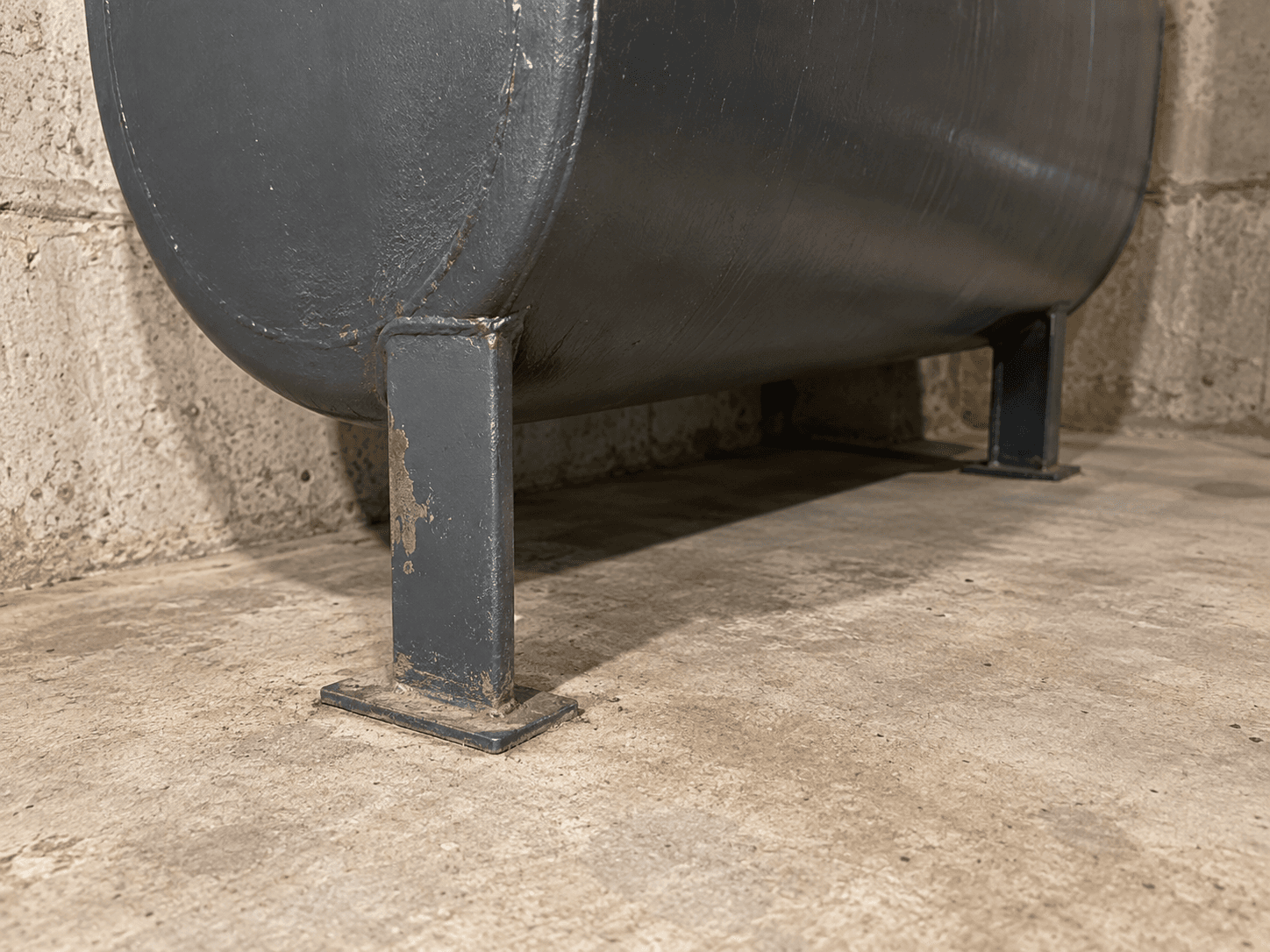
Tank removal is specialist work. In Ontario, TSSA's underground-tank guidance requires a registered petroleum contractor and addresses environmental assessment and removal obligations. Aboveground and buried tanks are different situations; I asked which requirements applied to ours.
The written scope needed to account for remaining fuel, the tank, fill and vent connections, associated appliances and any evidence of leakage. I would not cut, drain or abandon equipment myself. I also put the fuel supplier and insurer on my list of people to update.
The inventory did not choose the heat pump for me. It made the choice complete enough to price. I could now point to every job the old system performed and ask who would take responsibility for it.