I told the service desk that the furnace light was blinking 'a few times'. Then I realised how little information I had supplied. By the time I reached the basement again, I couldn't remember whether the long flash came first.
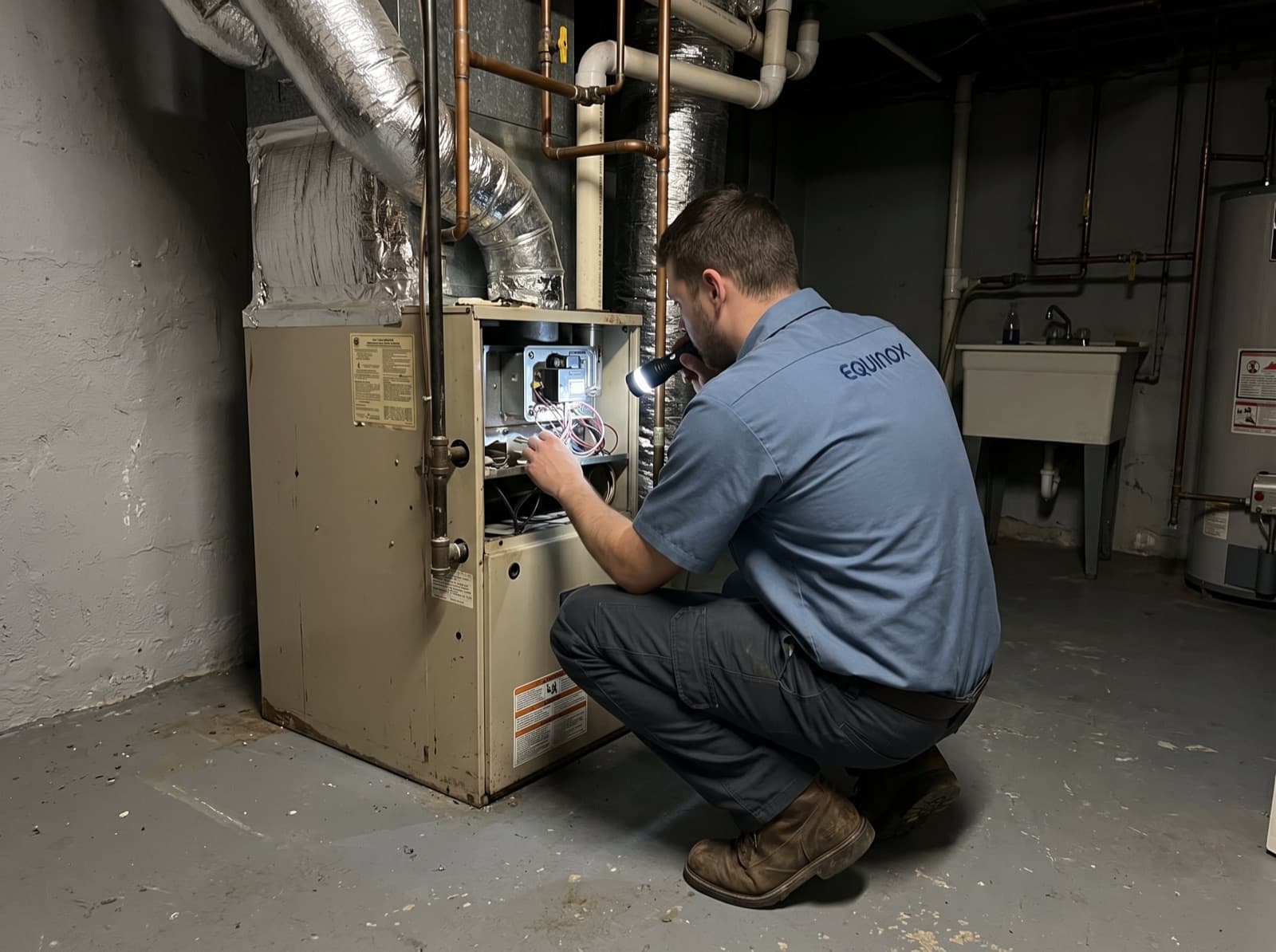
The indicator was visible through the manufacturer's viewing window. I took a short video without opening the cabinet. That captured the pauses as well as the flashes, which my description had not.
Keep the code with the correct model
Source: Carrier: furnace troubleshooting
A fault indication belongs to a particular control and equipment model. Carrier's troubleshooting guidance treats visible warnings as information for diagnosis. A code list from a different furnace can send you in the wrong direction even if the numbers look familiar.
I photographed the model information already in our records and wrote down the time, thermostat setting and room temperature. I noted whether the blower ran and whether the furnace had been starting repeatedly. I did not remove an access panel just to reach a label or indicator.
Before resetting anything, I asked the service desk what they needed preserved. Some resets can change what is visible, and repeated resets are not a repair.
A small file beats a long theory
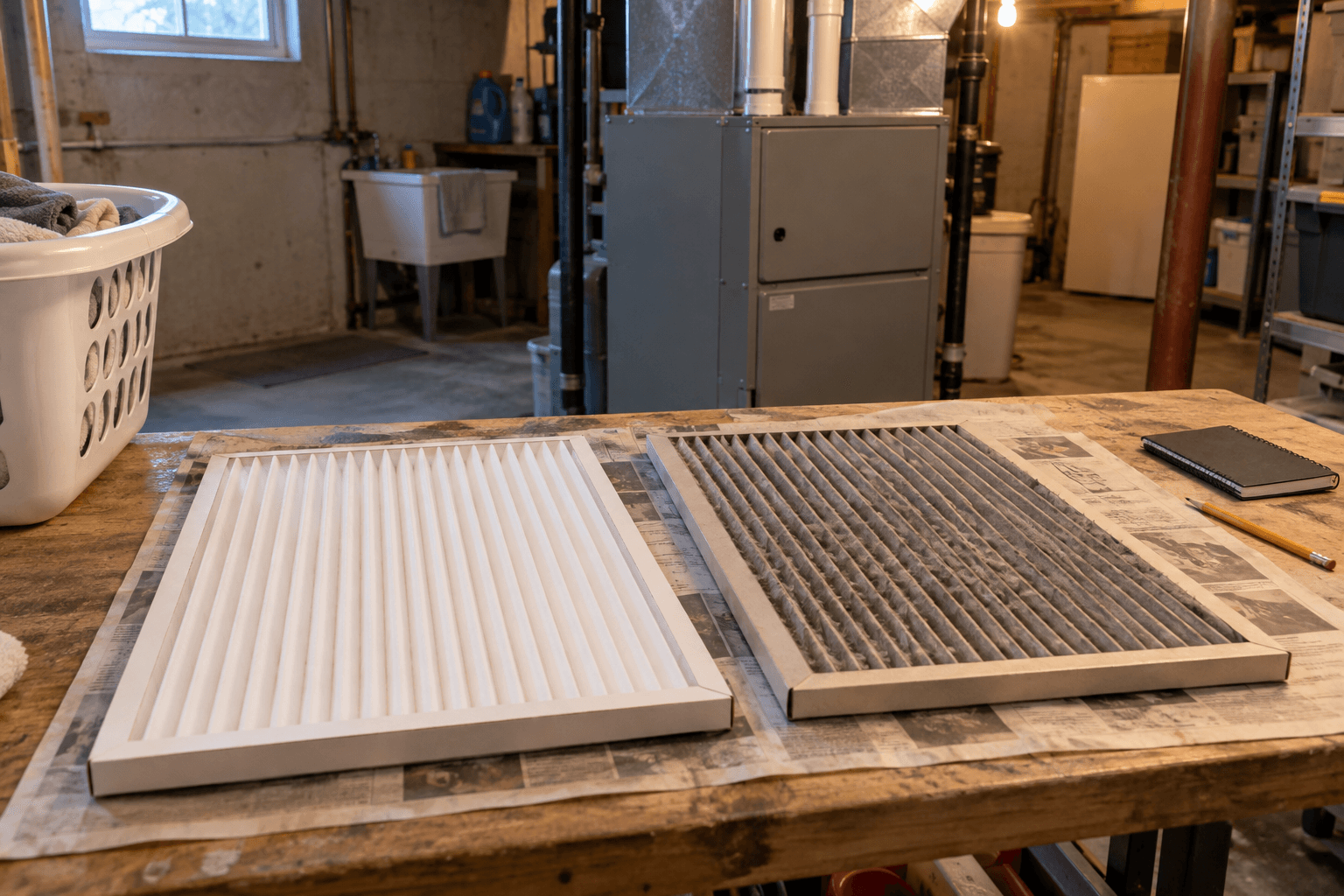
My message for the visit contained one video and four short observations. I included the filter type and the date we last changed it. I left out the list of parts that an internet discussion had persuaded me might be faulty.
If there had been a gas smell, smoke or an alarm, I would have left first rather than taking a photograph. Documentation is useful only when it is safe to collect.
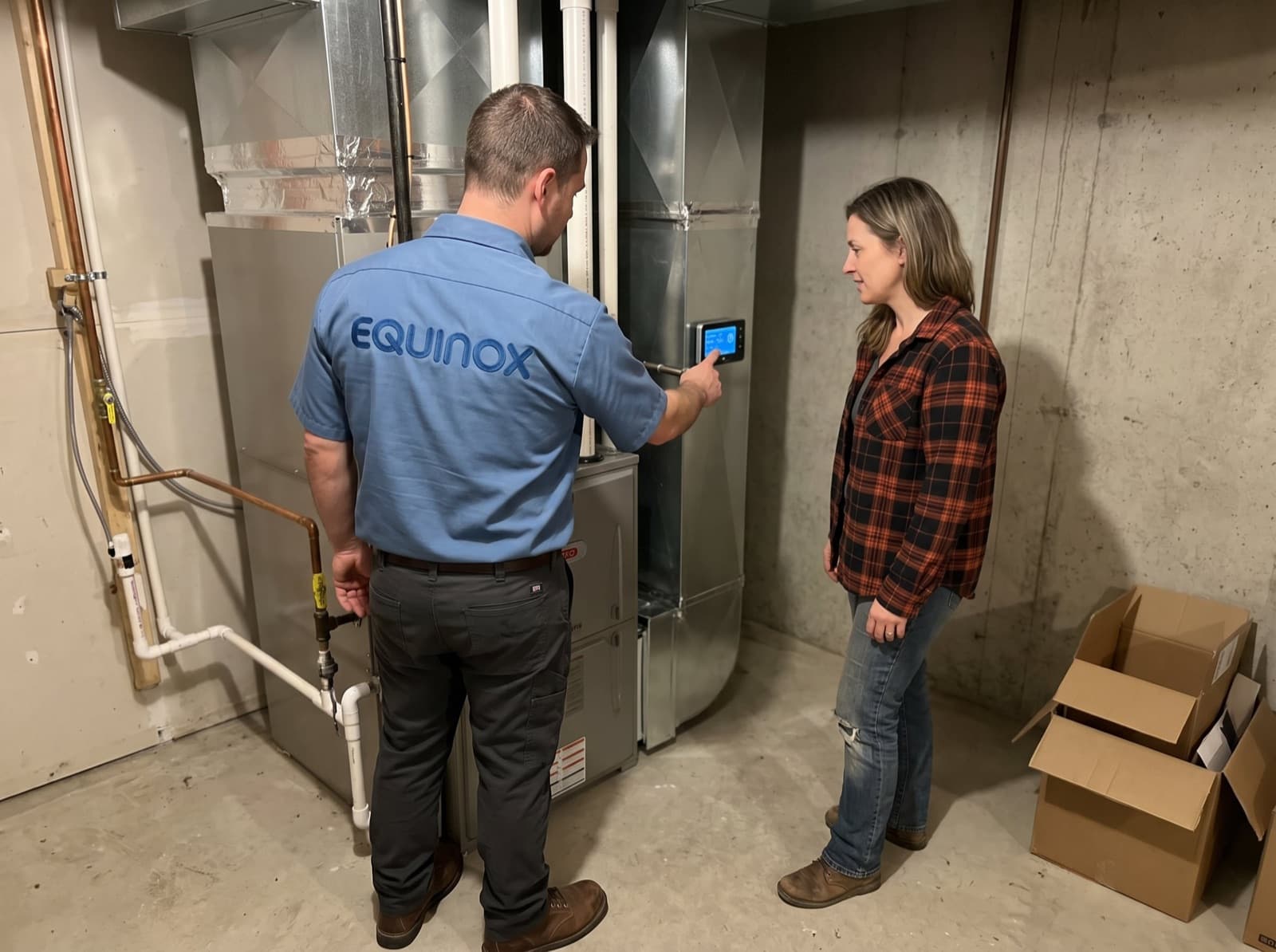
The technician could interpret the actual pattern. I could go back upstairs without trying to translate a blinking light from memory.