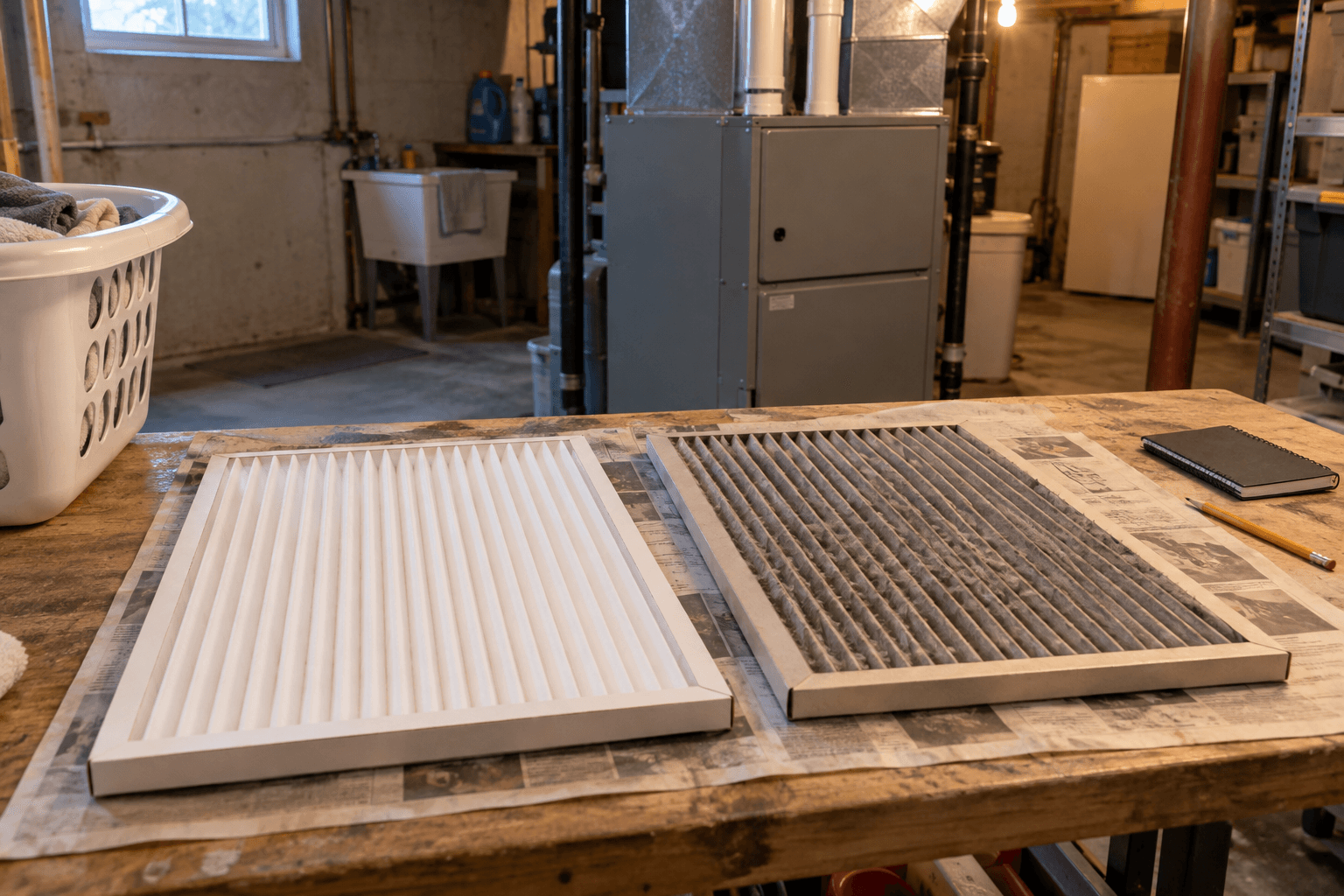

The offer arrived just after I had noticed dust on a return grille. Its timing made it persuasive. I could see something dirty, and someone was offering to clean something with a very similar name.
I cleaned the accessible grille as appropriate and asked a different question: what evidence suggested that the inside of our duct system needed professional cleaning?
Ask what has actually been found
The US EPA does not recommend routine duct cleaning on a blanket schedule. Its guidance describes situations that may warrant it, including substantial visible mould in appropriate parts of the system, pest infestation, or excessive debris being released from ducts.
A dusty grille alone does not establish those conditions. Nor does cleaning a duct fix an underlying leak, moisture source or filter-fit problem.
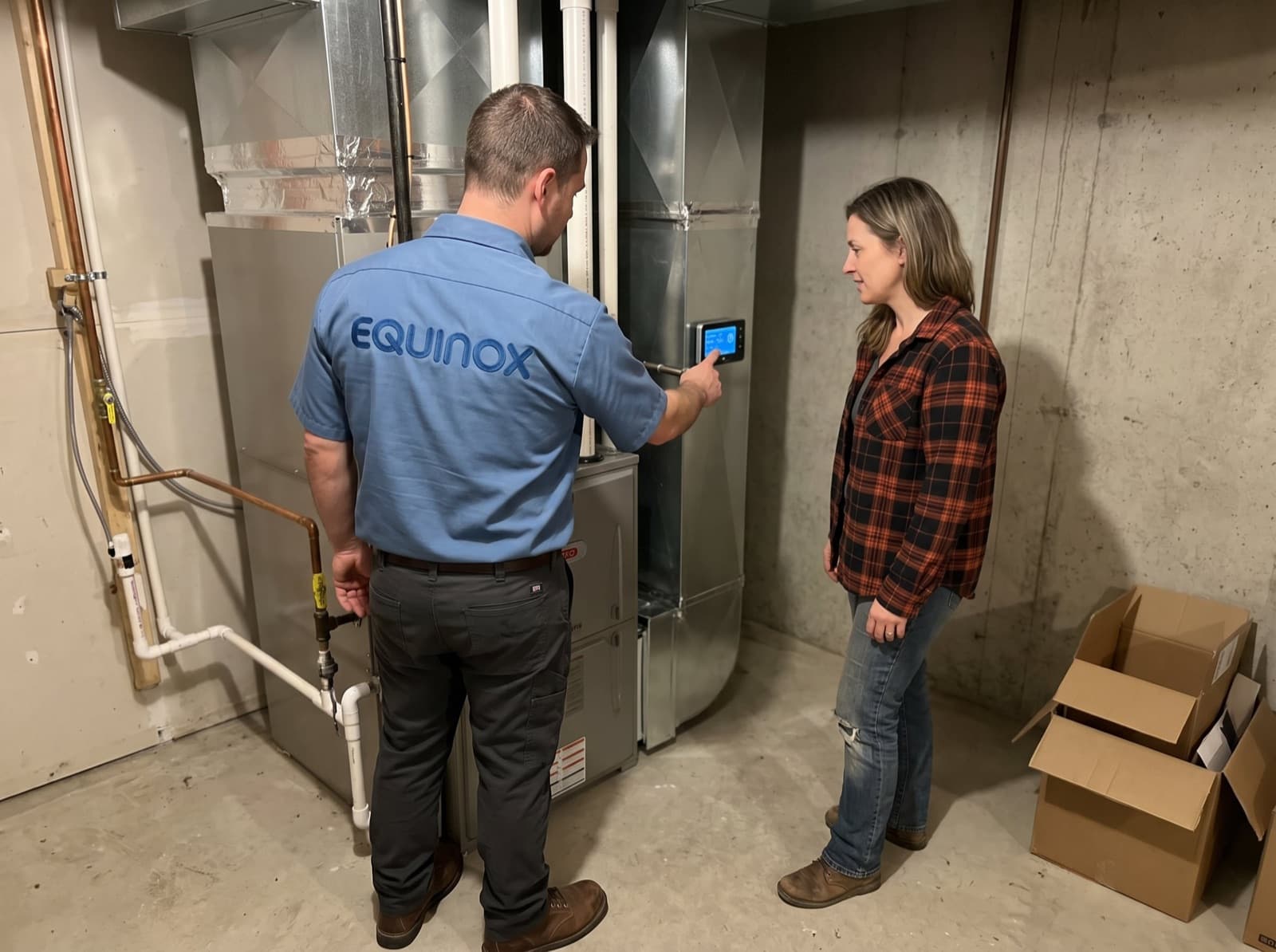
I asked a prospective provider to identify the affected areas, explain the proposed scope and show relevant evidence. If mould was alleged, I wanted to know how that conclusion was reached and how the moisture cause would be addressed.
A proposal worth reading
- Which components will be inspected and cleaned?
- How will the work protect occupied rooms and equipment?
- What access is required, and how will openings be restored?
- Are chemicals proposed, and why are they needed?
I would also ask about experience with our duct materials. A method suitable for one construction may damage another. Broad health promises or pressure to decide immediately would not help me evaluate the job.
After renovation or a confirmed contamination problem, inspection can be a sensible next step. A fixed annual purchase without a reason is a different proposition.
For our ordinary dusty grille, the first useful tasks were housekeeping, checking filter fit and keeping the return unobstructed. I could do those while deciding whether there was any evidence for a larger job.