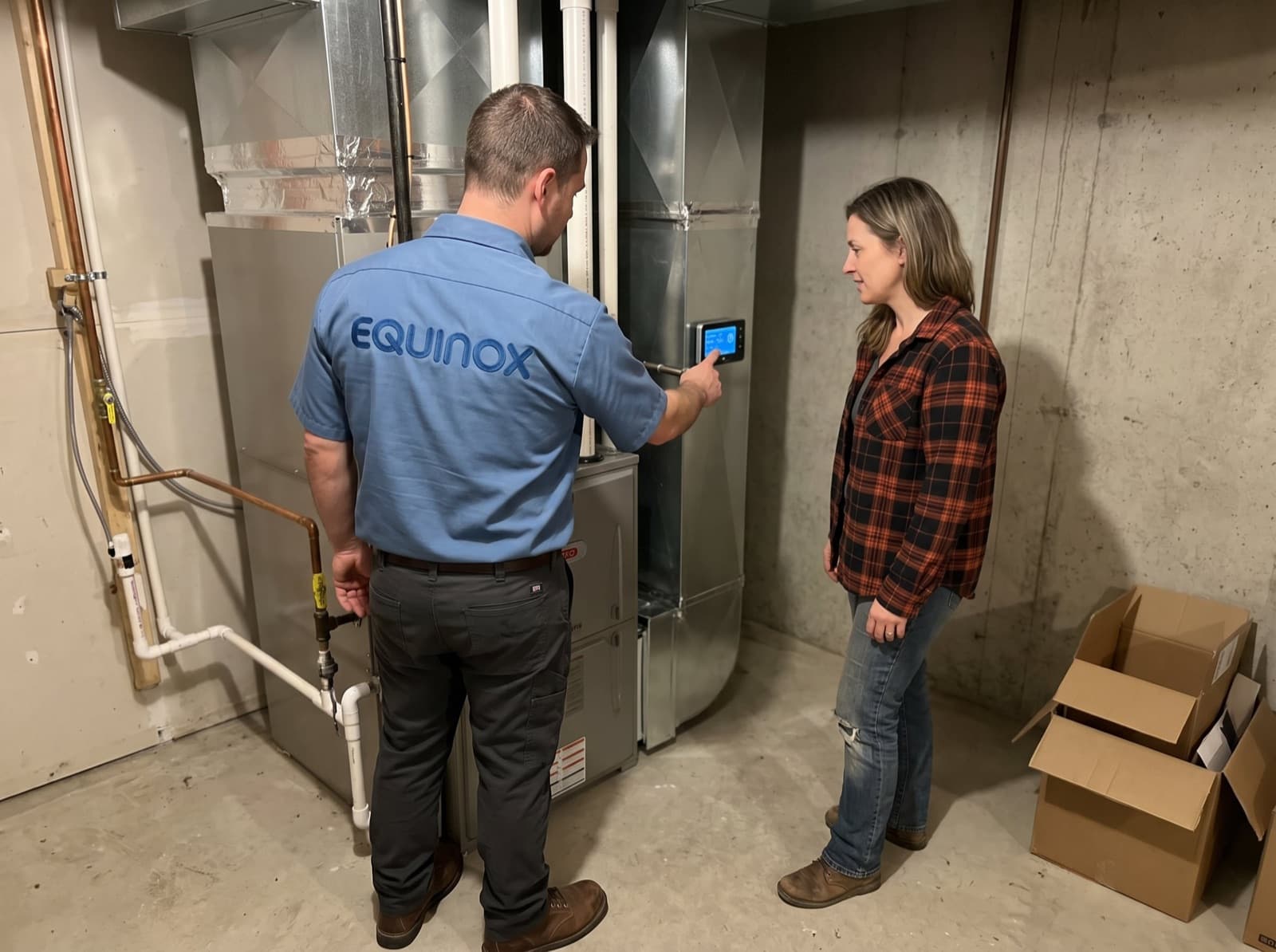

A repair estimate is easier to evaluate when it names the fault, explains the proposed work and separates what is known from what still needs investigation. Start there before comparing it with a complete replacement.
Age matters, but a birthday alone does not tell you whether a repair is sensible. Condition, repair history, parts availability and the performance of the overall system belong in the same conversation.
Understand what the repair would restore
ENERGY STAR identifies frequent repairs, rising energy use and persistent comfort problems as reasons to review the system with a professional. Duct problems or inadequate insulation can also cause discomfort, so replacement equipment is not automatically the complete remedy.
Ask whether the quoted repair addresses the confirmed cause, what warranty applies to the work, and whether other significant concerns were found. A safety-related fault needs the technician's direction on operation while you decide.
For a major or unclear diagnosis, a second qualified assessment can help establish the facts. Avoid repeatedly operating equipment that has been identified as unsafe.
Put each option on the same page
- Repair price, expected timing and included work.
- Existing equipment condition and remaining warranty.
- Replacement price with installation, controls and required supporting work.
- Comfort or building issues each option would actually address.
- Likely downtime and a practical plan during the work.
Treat future savings as an estimate with stated assumptions, not a guaranteed way to recover a purchase price. Include any financing cost when comparing payment choices.
The best decision may be a focused repair, a planned replacement or further diagnosis before either. A clear written explanation gives you a basis for choosing without relying on pressure, a single age rule or a repair-price slogan.