The sale ended at midnight, which seemed like a compelling reason to choose a thermostat before dinner. I knew the brand of our furnace and liked the app screenshots. I did not know how our existing control communicated with the equipment.
I saved the product link and let the sale end while I checked. A discount on the wrong control would not improve the house.
Compatibility includes more than a wall plate
Manufacturer compatibility guidance distinguishes conventional low-voltage systems from line-voltage, proprietary communicating and other arrangements. Even within one brand, thermostat models can support different equipment and accessories.
Wire colours alone do not establish their function. An online checker needs accurate terminal and system information, and unclear configurations deserve manufacturer or qualified installer advice.
I gathered the existing thermostat and equipment model numbers and asked the contractor to confirm the proposed replacement. I did not disconnect wiring to make a guess fit the checker.
Ask what the replacement will control
- Heating and cooling stages, including heat-pump backup.
- Variable-capacity or communicating functions.
- Ventilation, humidity controls and zoning equipment.
- Power requirements and any approved interface needed.
We also discussed whether the new control would lose useful functions that the existing system already provided. Remote access was appealing, but it was only one part of the decision.
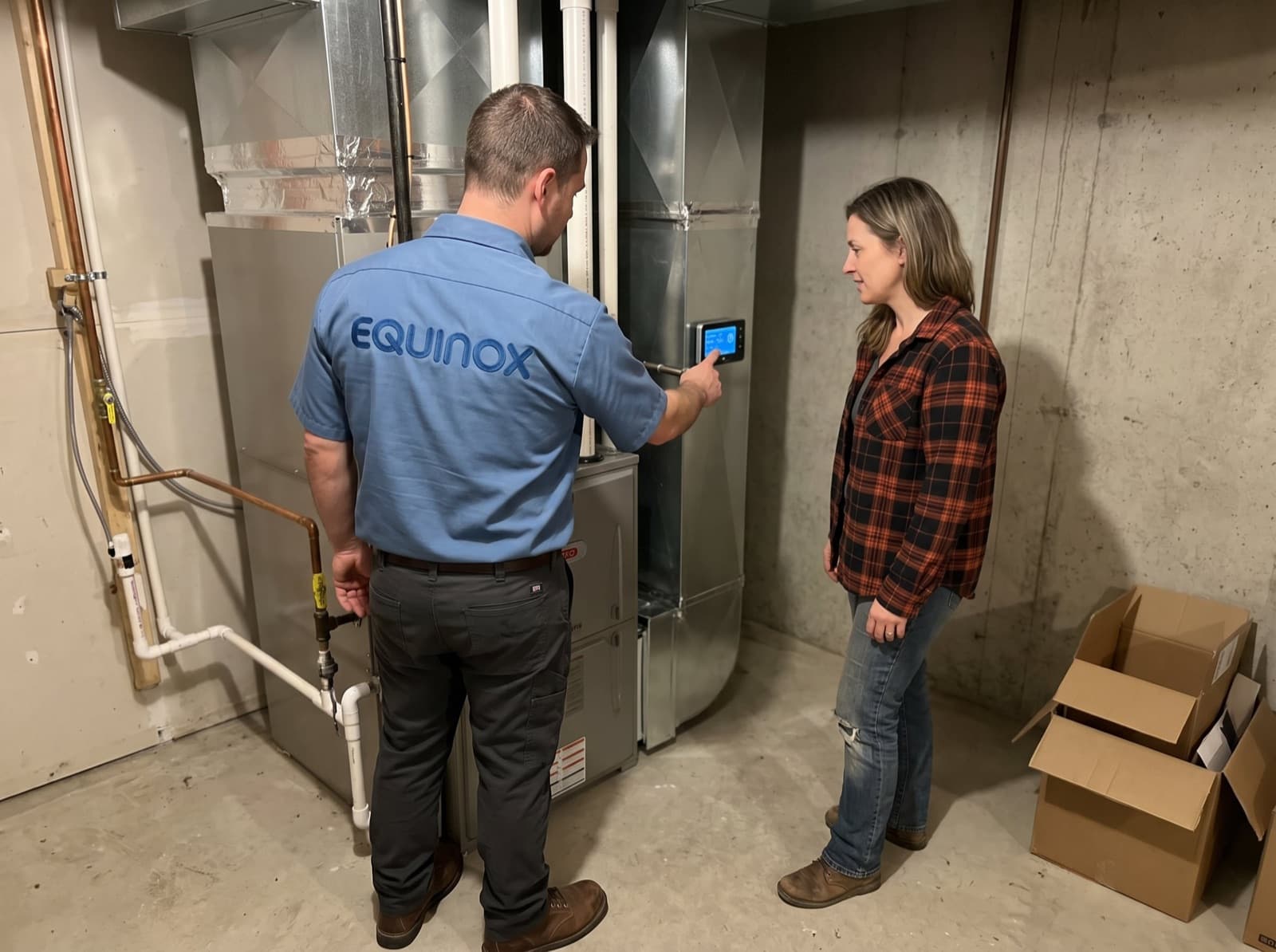
The installation proposal included setup and a demonstration of heating, cooling and accessories as appropriate. I wanted the schedule and any backup-heat behaviour explained after commissioning.
Once compatibility was confirmed, comparing screens, sensors and app features became straightforward. The order mattered: first establish what could operate our system properly, then choose the interface we wanted to use each day.