The first hot night used to be our annual air-conditioner test. It was an inconvenient tradition. If anything was wrong, we discovered it while carrying pillows downstairs.
This year I put a preparation note in the calendar before the warm weather. I didn't need to force a cooling test on a cold day; I needed to be ready to operate the equipment within the conditions allowed by its manual.
Do the accessible jobs first
Source: Natural Resources Canada: heating and cooling maintenance
NRCan recommends regular filter care and professional checks of coils, drainage, refrigerant and blower components. The homeowner and technician parts of that list are different.
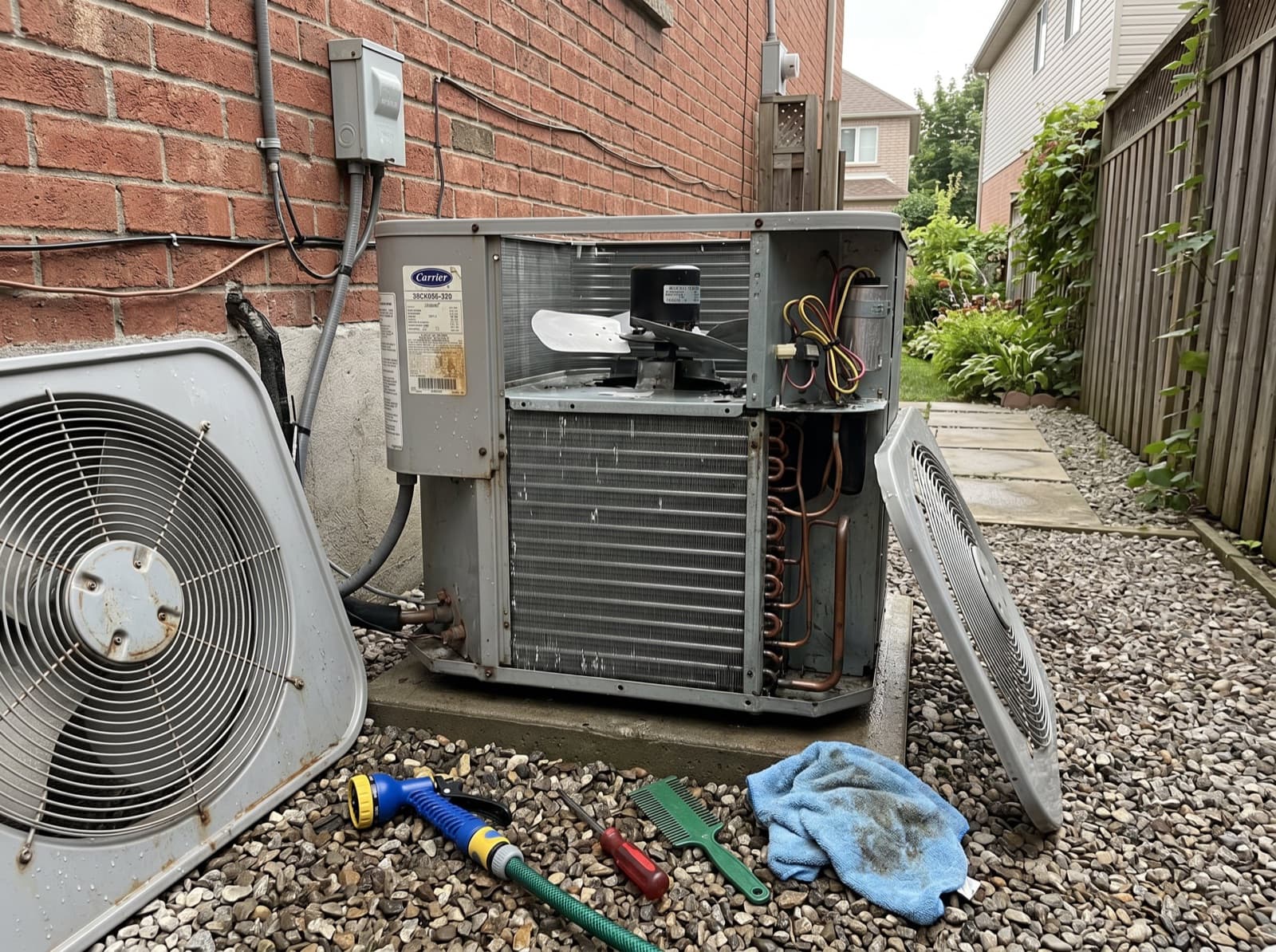
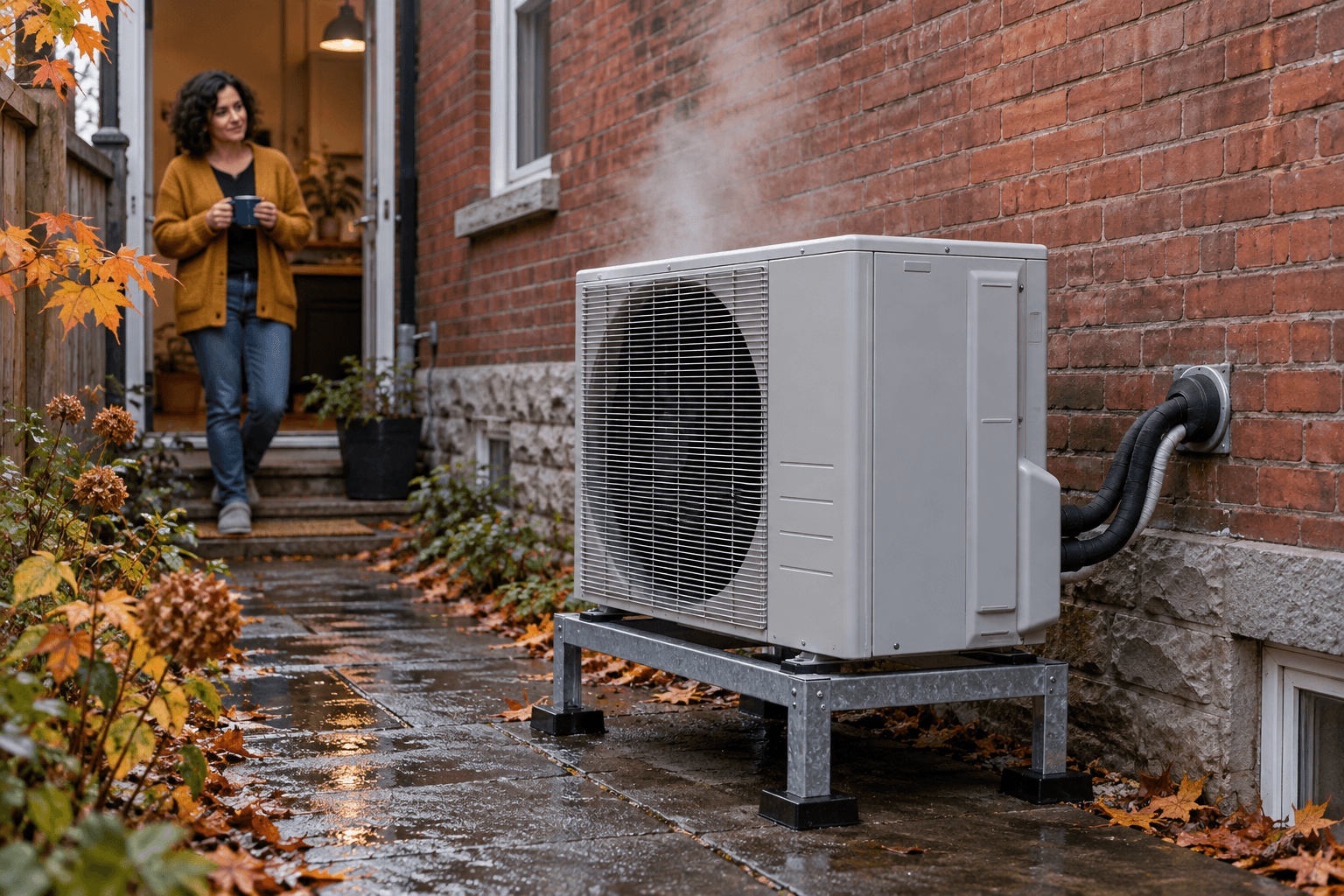
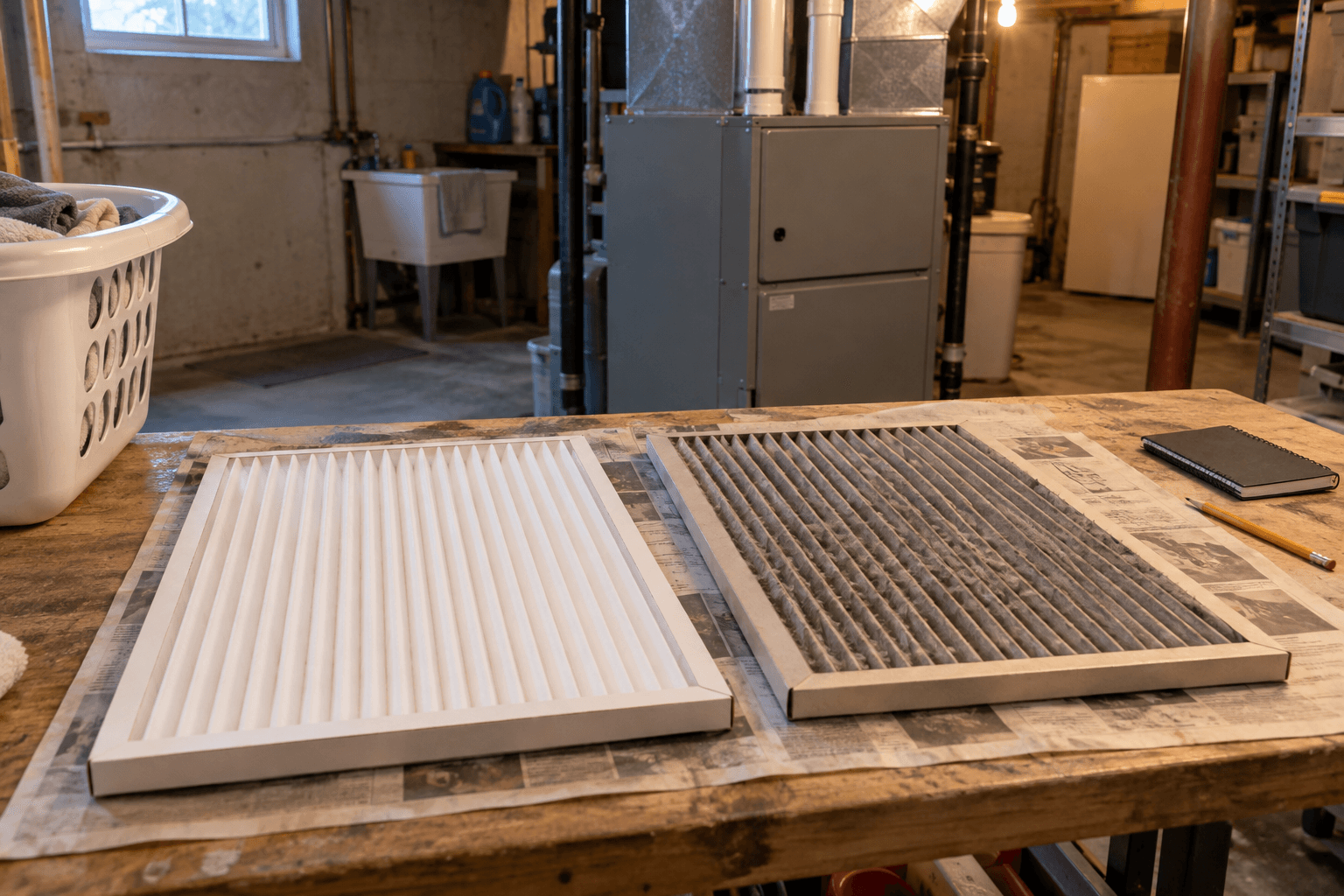
I checked the approved filter, cleared ordinary clutter from supply and return grilles and made sure the outdoor area was accessible. If a cooling-only unit had a seasonal cover, it had to be removed before operation. A heat pump used all winter should not have been covered in the first place.
I reviewed the thermostat schedule and cooling mode. I also found the previous service record so I could mention an unresolved noise rather than rediscover it during the visit.
A test is useful when there is time to act
When outdoor conditions were suitable under the manufacturer's instructions, we checked normal cooling operation. I watched for unusual sound, poor airflow, ice or water leakage. Electrical and refrigerant work stayed with qualified people.
If the system failed that check, I could describe what happened and arrange service before the household was already struggling with heat. I did not keep resetting a fault to get one successful run.
The first hot bedroom still arrived eventually. This time we already knew where the controls were, what the system was doing and that the garden chair was no longer leaning against the outdoor unit.