A garage smell in the hallway deserves attention even when it disappears after a few minutes. Air can move through the connecting door and gaps in the shared construction. Begin with what produces pollutants in the garage and how the space is separated from the house.
Do not use the garage for running engines
Source: Health Canada: attached garages and indoor air quality
Health Canada advises against idling vehicles in a garage, including with the large garage door open. Do not operate a fuel-burning generator, barbecue, lawnmower or snowblower there. An open door does not turn an attached garage into an outdoor operating area.
Fuel-burning equipment and poorly sealed fuel containers can also release vapours while stored. Health Canada recommends storing them in a shed or another location not attached to the house. Follow the product's storage directions and applicable local rules.
If a spill or strong unexplained fuel odour occurs, keep people away and obtain appropriate emergency or professional advice. Do not start engines or use switches to investigate a suspected fuel or gas hazard.
Check the pedestrian door and shared surfaces
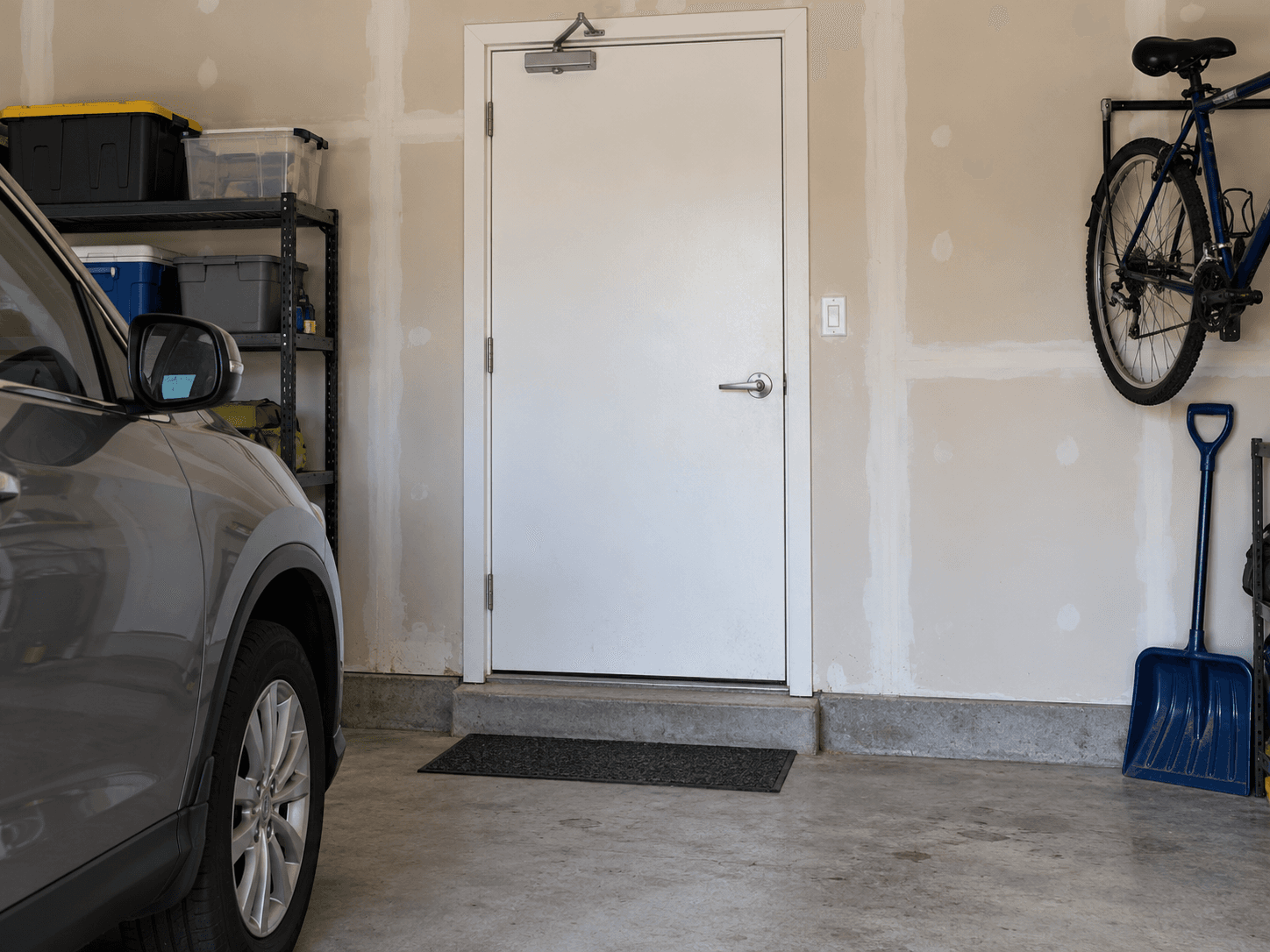
Keep the door into the house closed and well sealed. Look for a door that no longer latches properly, damaged weather seals or an obvious opening around the frame. Avoid propping it open while unloading the car.
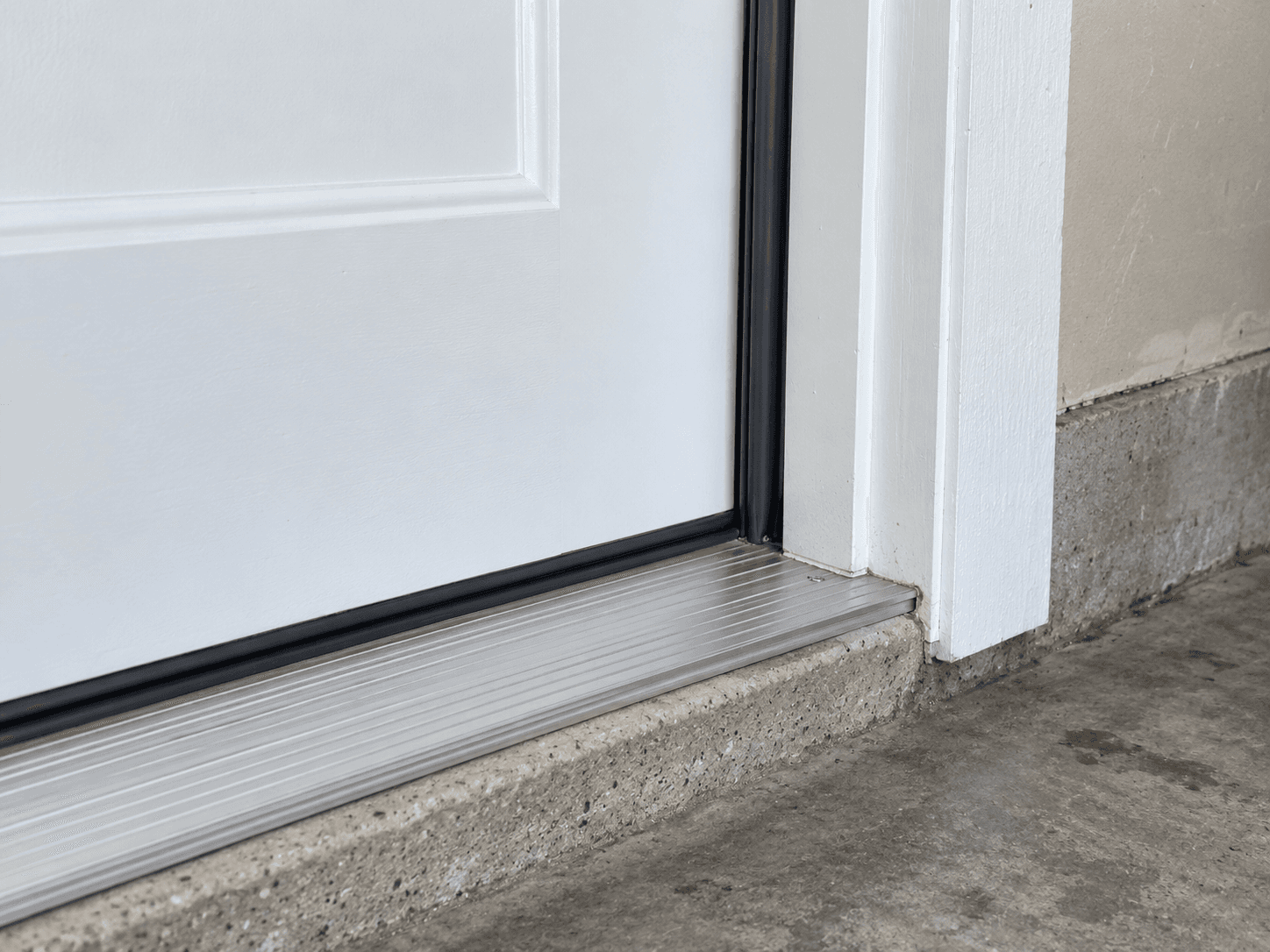
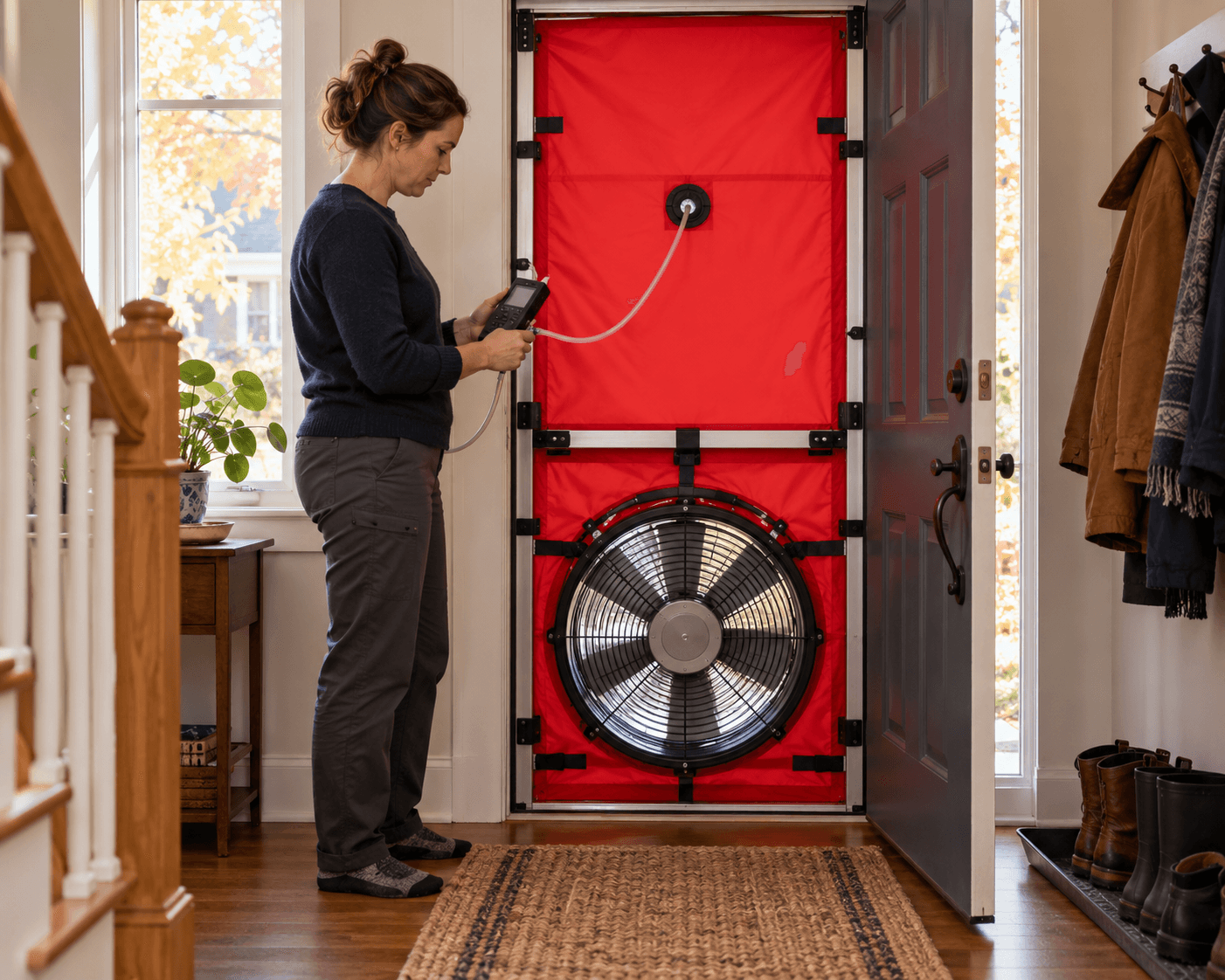
Have damaged shared walls, ceilings or service penetrations assessed. Repairs need to preserve the applicable fire separation as well as control air leakage. Do not cut a grille or pet opening into the connecting door, or use the house ventilation system as a casual way to ventilate the garage.
A 2017 Health Canada study in Ottawa homes found that garage exhaust ventilation could reduce the movement of garage-related pollutants into living space. That supports a professional design discussion. It is not a reason to add an arbitrary fan or assume a particular reduction will occur in every house.
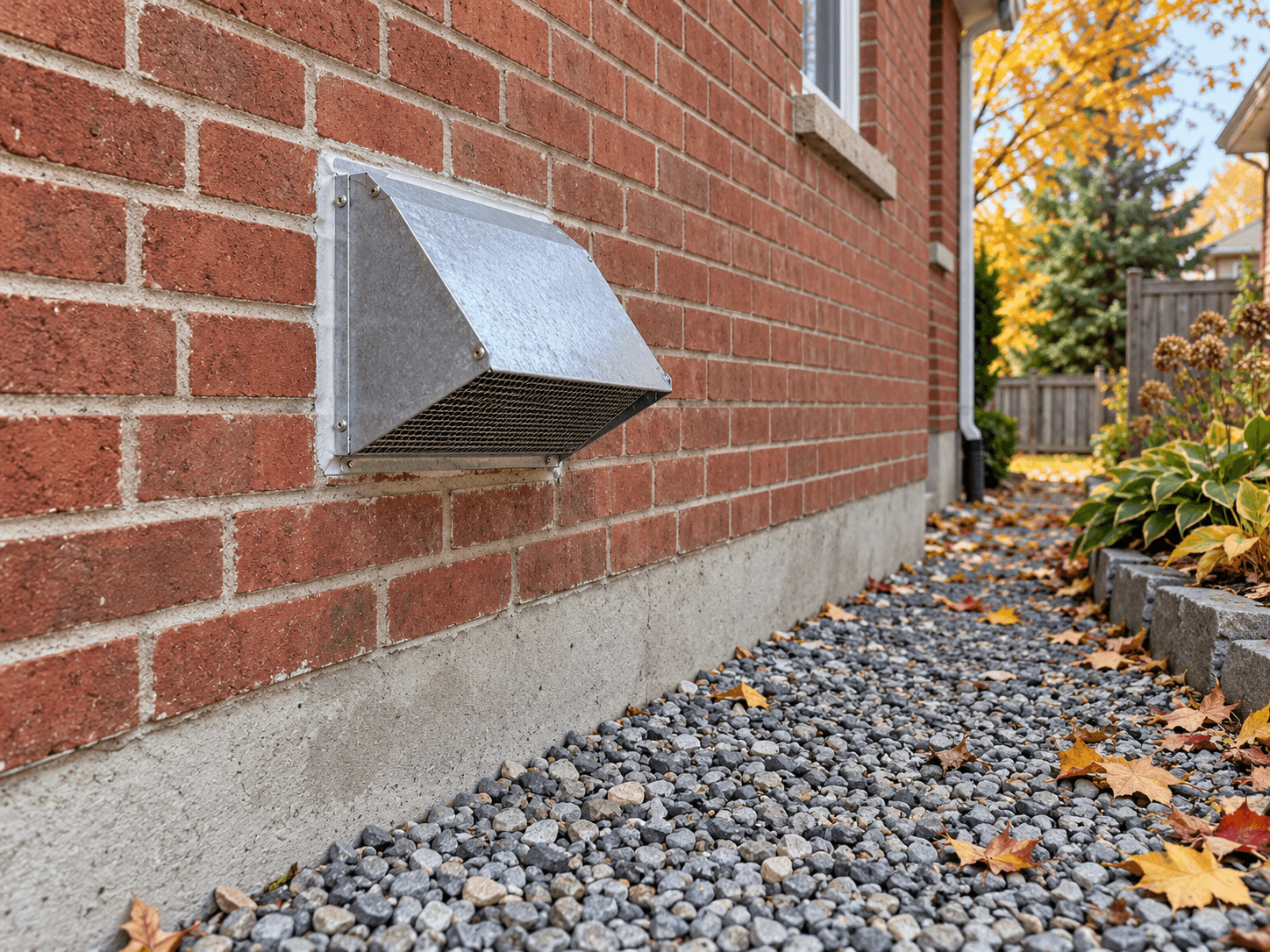
If a fan is proposed, ask how it will operate, where replacement air will come from and where its exhaust will discharge. Include nearby windows and fresh-air intakes in the review. Source control and a sound boundary remain part of the plan.
Treat carbon monoxide as a separate safety issue
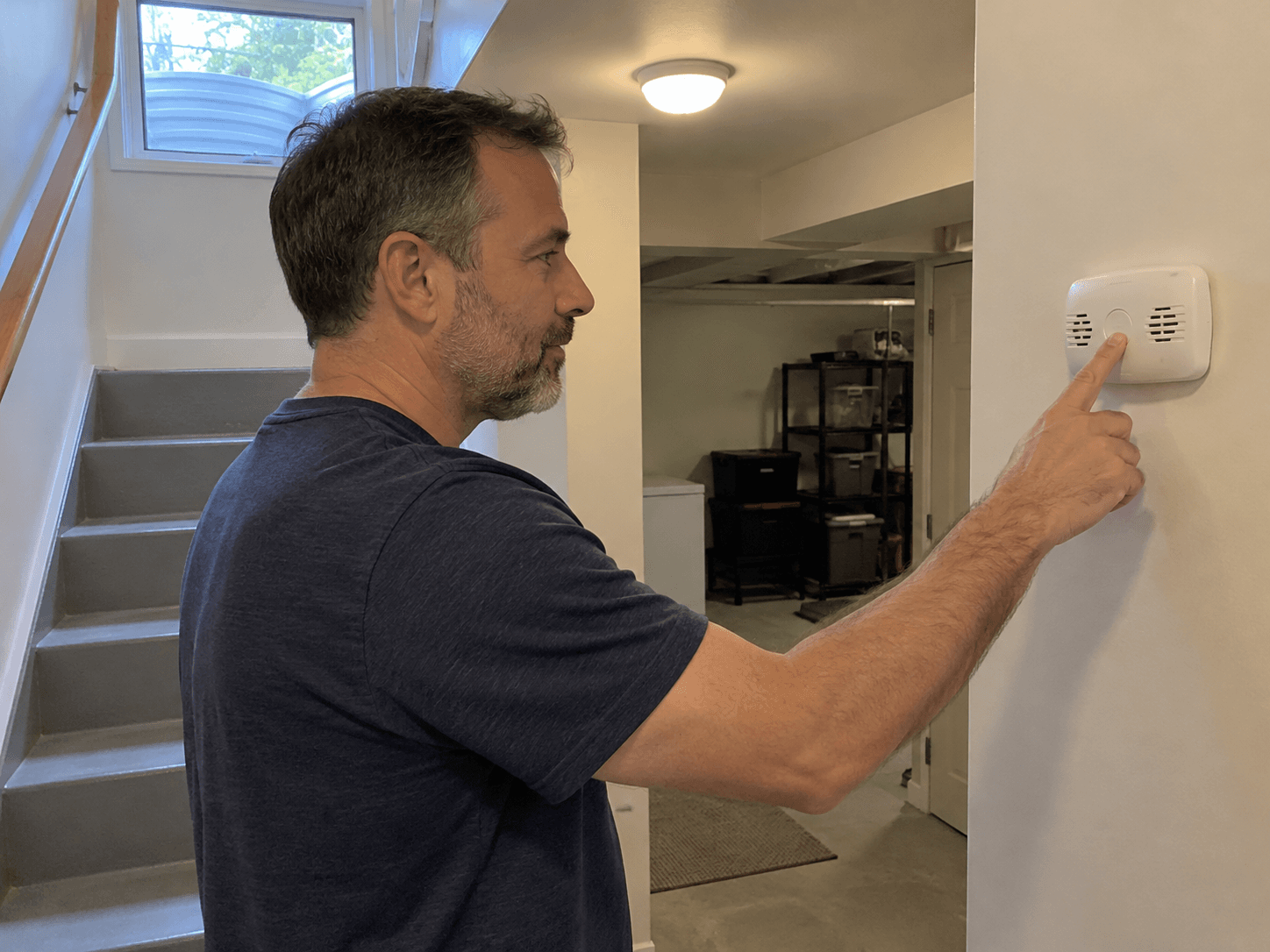
Carbon monoxide cannot be reliably detected by smell. Keep required CO alarms installed and maintained according to local requirements and their instructions. A pleasant-smelling hallway does not establish that the air is safe.
If a CO alarm sounds, leave the home immediately for fresh air and call 911 or emergency services from outside. Do not remain inside to find the source or wait for a ventilation fan to clear it.
For a non-emergency recurring odour, record when it happens, what was operating and whether the connecting door was open. Give those details to the person inspecting the garage boundary and ventilation. Avoid deliberately recreating an exposure to collect a better example.