
I checked the alarm outside the bedrooms and was ready to put the step stool away. Then I read Ontario's updated carbon monoxide guidance. Our gas-heated house had another storey, and I had been working from an older mental checklist.
CO cannot be detected by smell. If a CO alarm sounds, get everyone outside and call 911 from there. Do not search for the source or assume an open window has made the house safe.
What changed in January 2026
Source: Ontario: carbon monoxide safety and current alarm rules
Ontario's current guidance requires CO alarms adjacent to sleeping areas and on every storey of applicable homes, including storeys without bedrooms. The rules cover homes with fuel-burning appliances, fireplaces or attached garages, and now also homes receiving heated air from a fuel-burning appliance outside the home.
Apartments and condos have their own applicability details, including some units near garages or service rooms. Landlords have responsibilities for rental suites. The provincial guidance and the local fire department are the right references for a particular building.
I walked through our home with the current guidance instead of assuming an alarm near the furnace was enough. I also checked the manufacturer's installation, testing and replacement instructions for each alarm.
A date worth saving
The replacement date went into our household notes. I made sure everyone knew the alarm sound and our exit plan. A low-battery or end-of-life indication still needs action according to the alarm's instructions; it should not be silenced and forgotten.
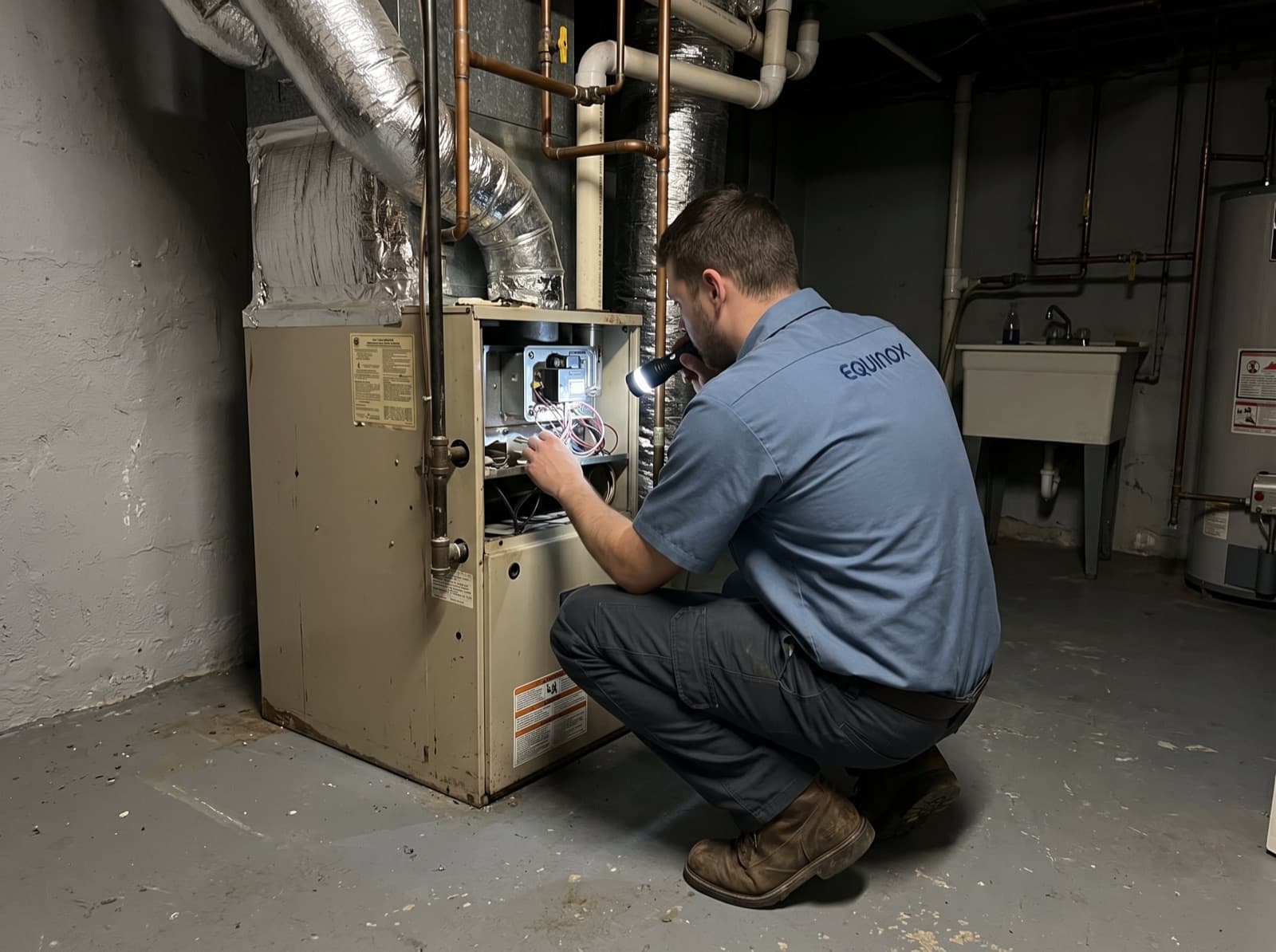
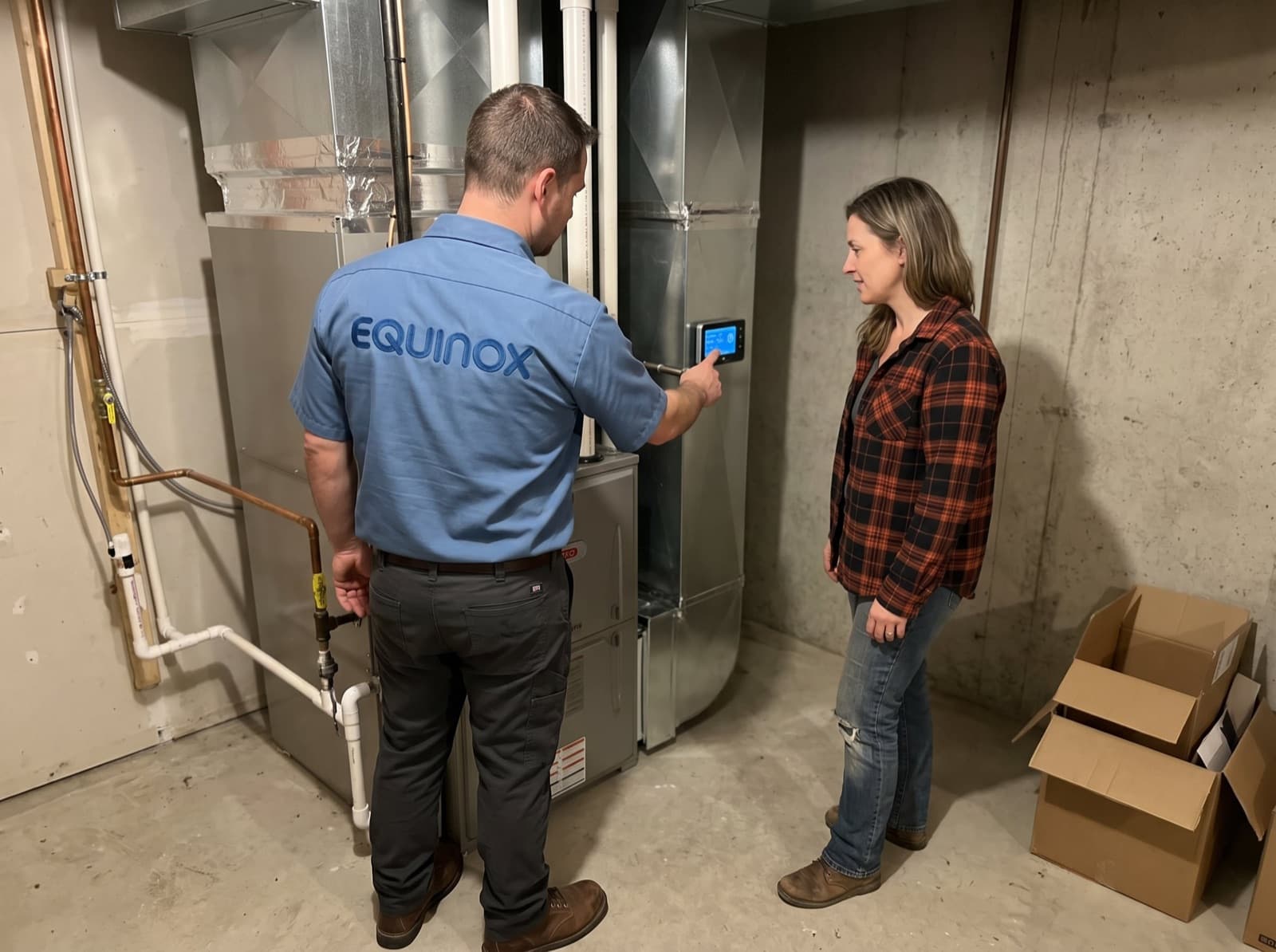
An alarm does not replace maintenance of fuel-burning equipment. I kept the furnace appointment in the diary as well.
The step stool stayed out a little longer. It was a useful correction to a familiar routine, and one I was glad to make while the house was quiet rather than during an alarm.