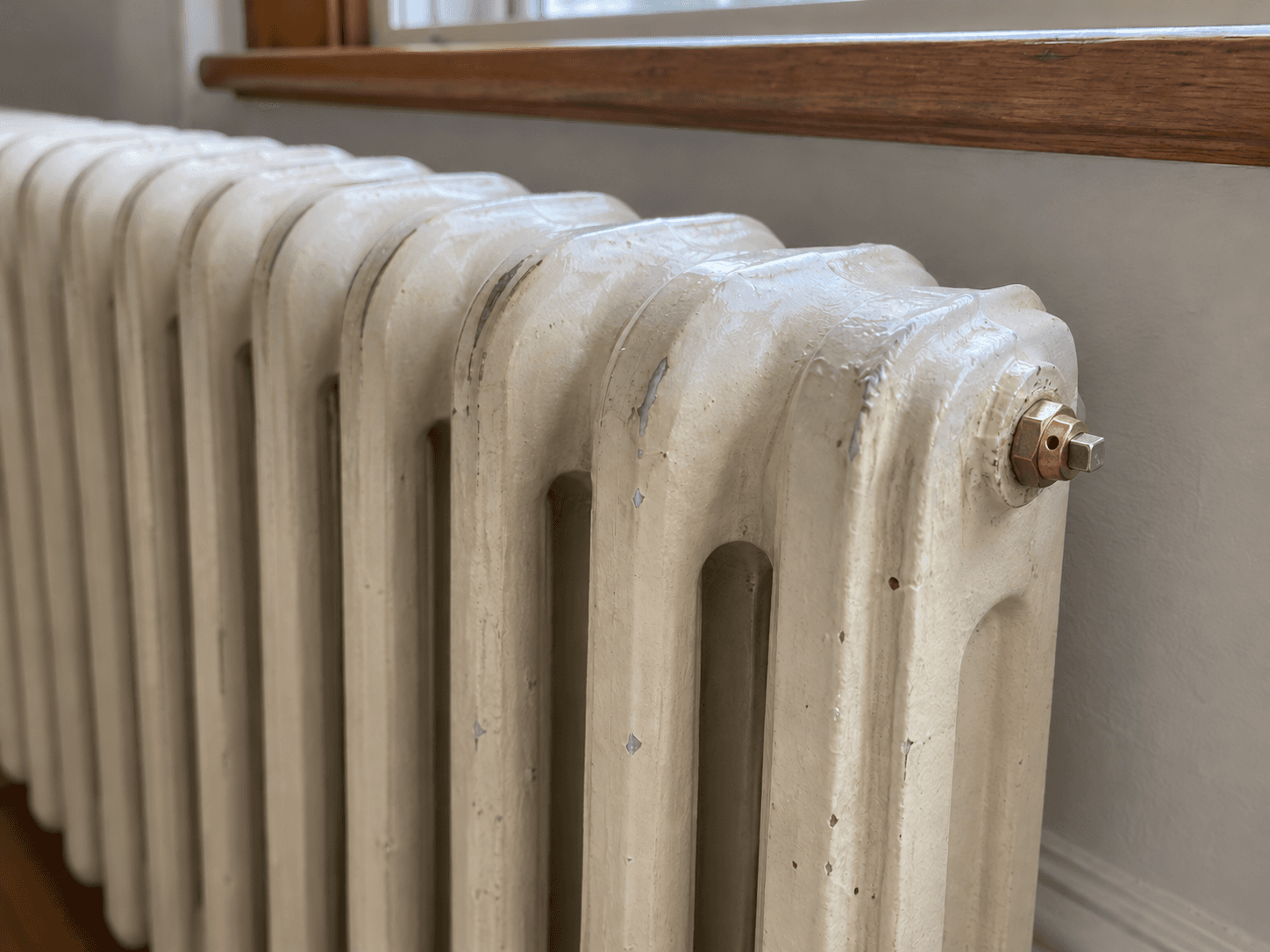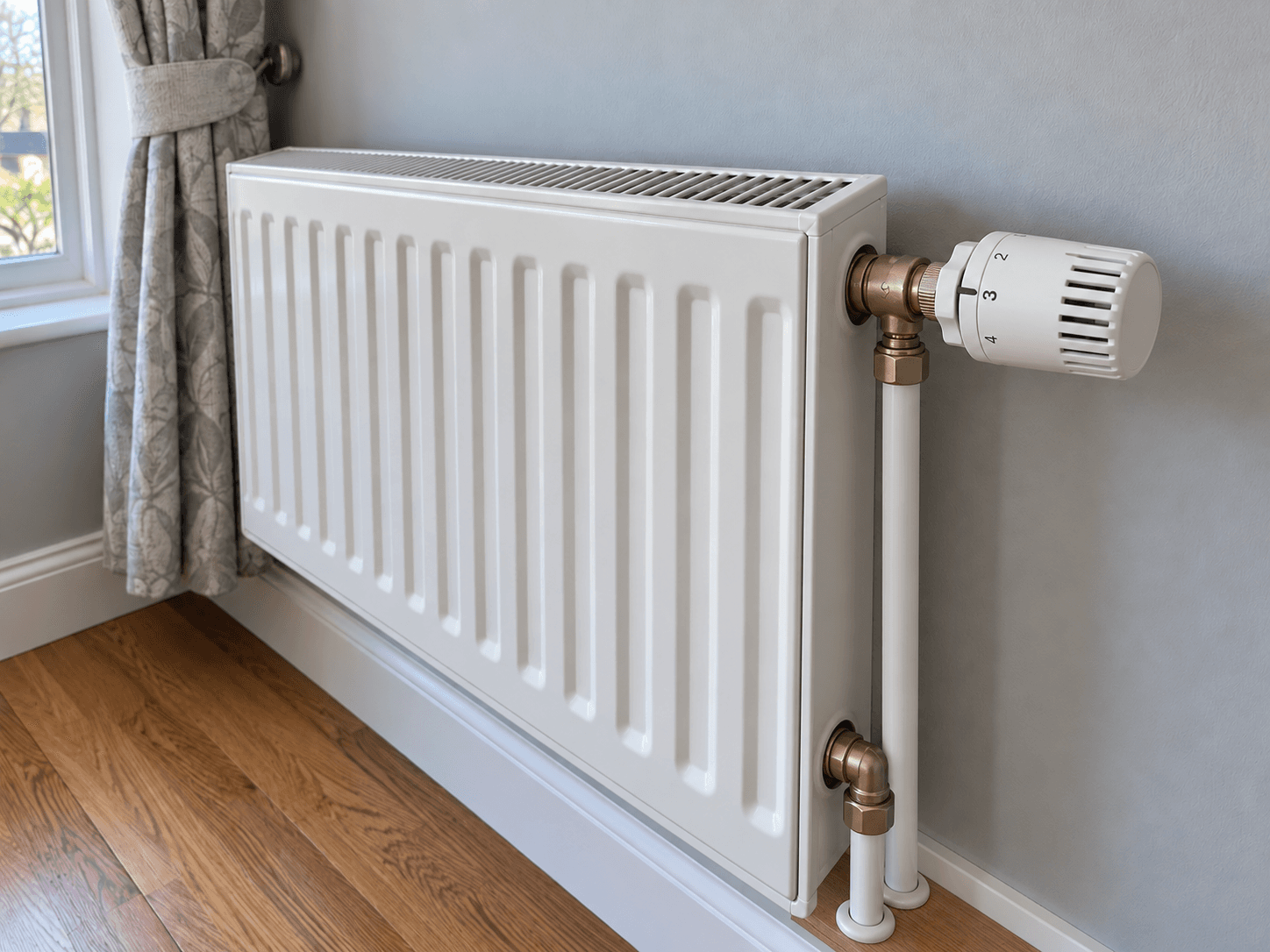
Yesterday was bitterly cold. Today is mild, the living room is comfortable and the radiator no longer feels like the hottest object in the house. With outdoor reset, that change can be exactly what the heating system intended.
The control has more than one temperature to consider
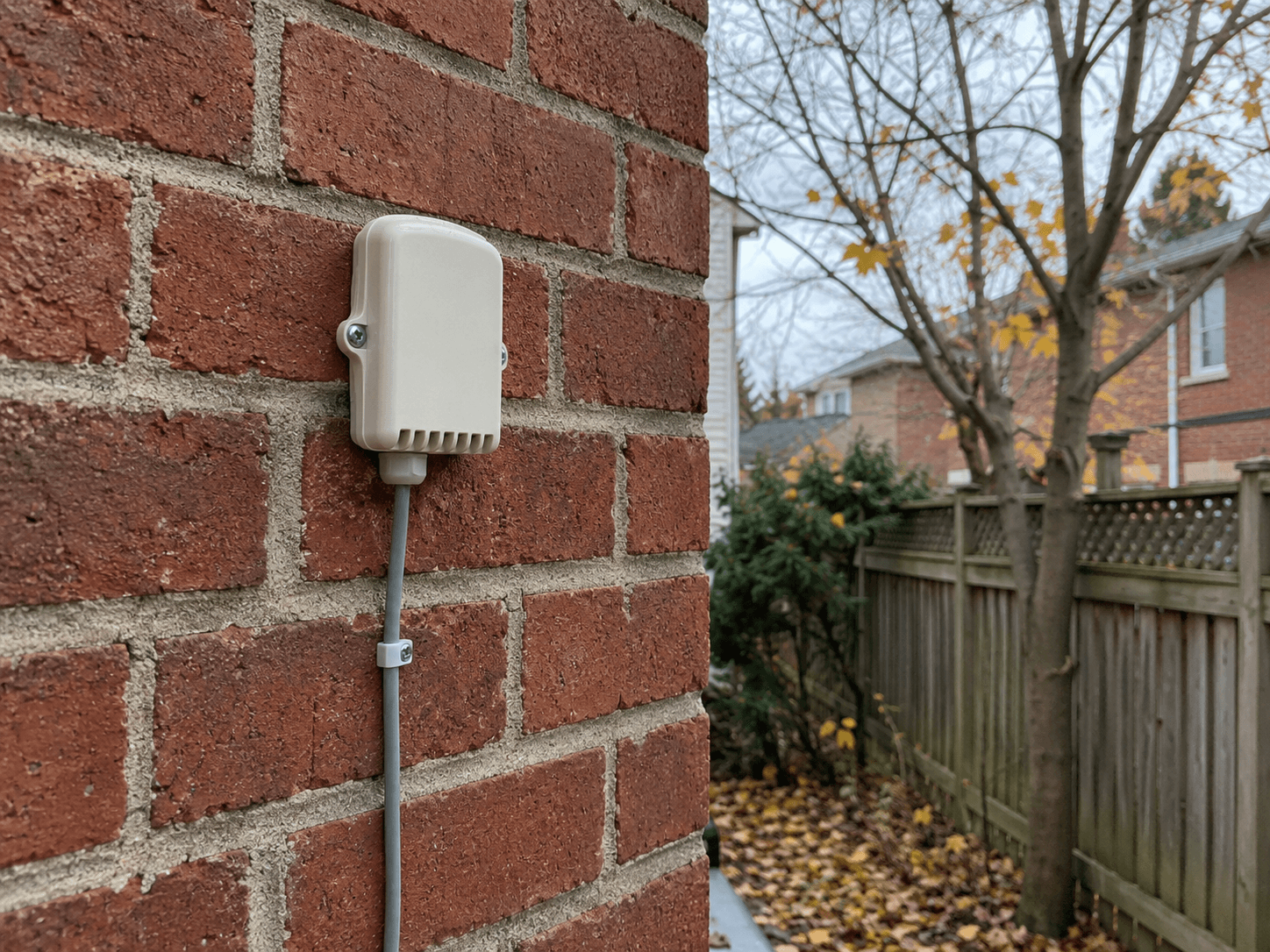
A room thermostat tells the system about conditions indoors. Outdoor reset also uses an outdoor sensor to help set the temperature of the water sent through the heating circuit. A milder day generally calls for cooler heating water; colder weather calls for more heat.
The relationship is often called a heating curve. Its settings need to suit the house, its radiators or other emitters, and the boiler. There is no single curve that makes every Toronto semi, basement apartment and large detached house comfortable.
Heating-water temperature is also different from the temperature of your shower. A system may have separate controls and operating demands for space heating and domestic hot water. Ask which reading you are looking at before treating a number on the boiler display as a room-temperature instruction.
Start with the room, not the radiator
Source: Caleffi idronics 25: lower water temperatures and heat emitters
A radiator can release useful heat without being as hot as it was during a cold snap. Its output depends partly on the difference between its water temperature and the room. Touching the metal is neither a reliable performance test nor a good way to avoid a burn.
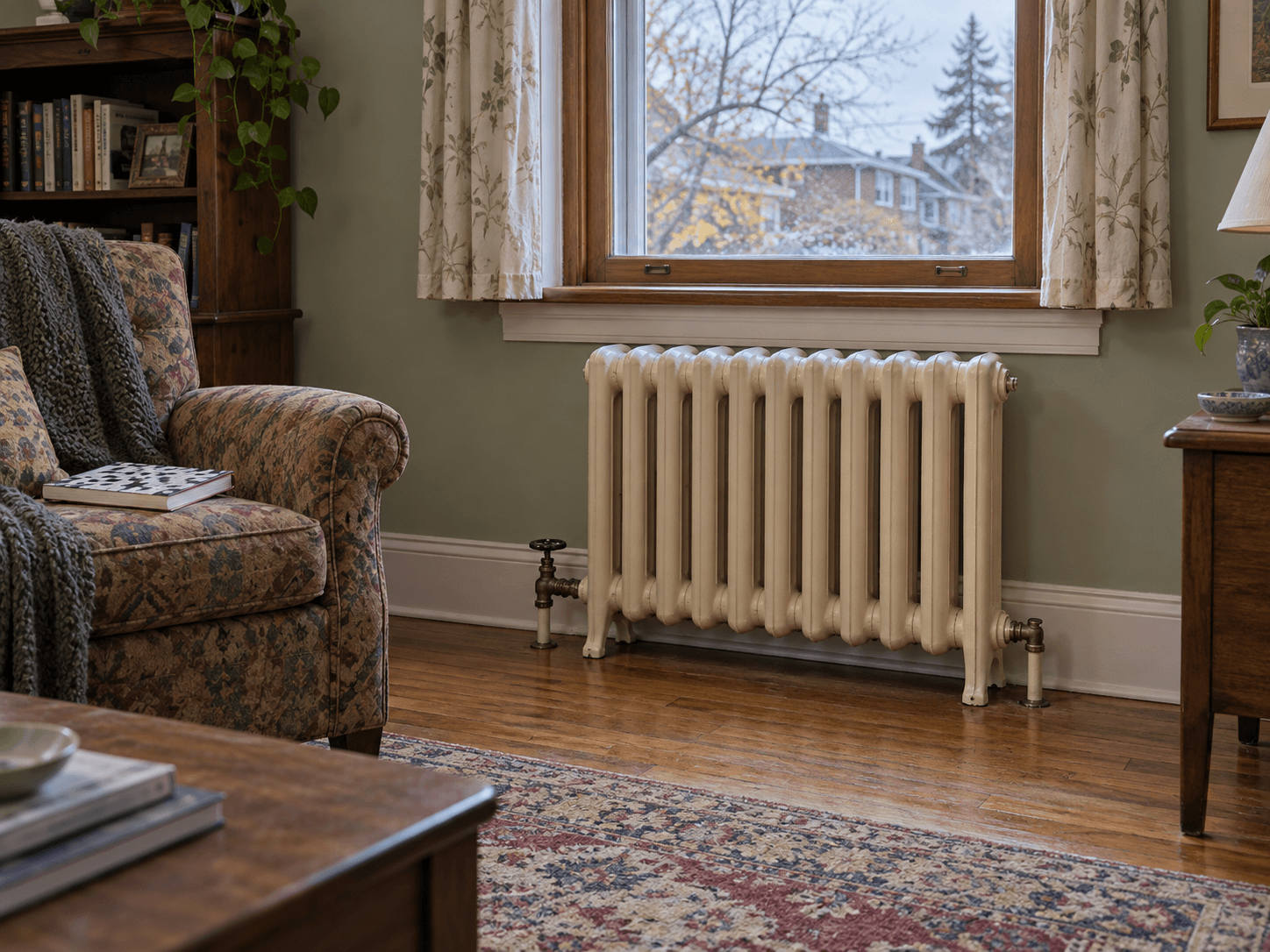
Look at whether the occupied rooms reach and hold the usual setting. If they do, there is little reason to turn up the boiler simply to make the radiators hotter. If one room struggles while the others are comfortable, report that distinction; changing a whole-house setting may leave the original room problem unresolved.
A change after a new control was installed deserves a clear account. Does the house fall behind only in very cold weather, only on mild damp days, or during recovery from an overnight setback? Those are different observations. A photograph of the controller's ordinary status screen can help, provided you do not enter installer menus to obtain it.
Give the contractor a pattern they can use
- Record the outdoor weather, room temperature and requested setting at a few consistent times.
- Note whether all rooms or just one area are affected, and whether doors or radiator valves changed.
- Mention recent insulation work, a new radiator, altered schedules or a replaced outdoor sensor.
- Ask the contractor to confirm the curve, sensor location and limits for the installed equipment.
Leave sensor relocation, wiring and boiler protection settings to the contractor. An older non-condensing boiler may have different temperature requirements from a newer condensing model. The aim is a suitable control setup, not the lowest number the display will accept.
Once the settings suit the house, leave yourself a short explanation in the equipment folder. 'Cooler radiators on mild days can be normal' is a helpful note to find next October.