One radiator has a warm lower section and a cool top, while the room never quite catches up. Trapped air is a reasonable suspect in a hot-water system. It is still worth collecting a few details before searching the kitchen drawer for a radiator key.
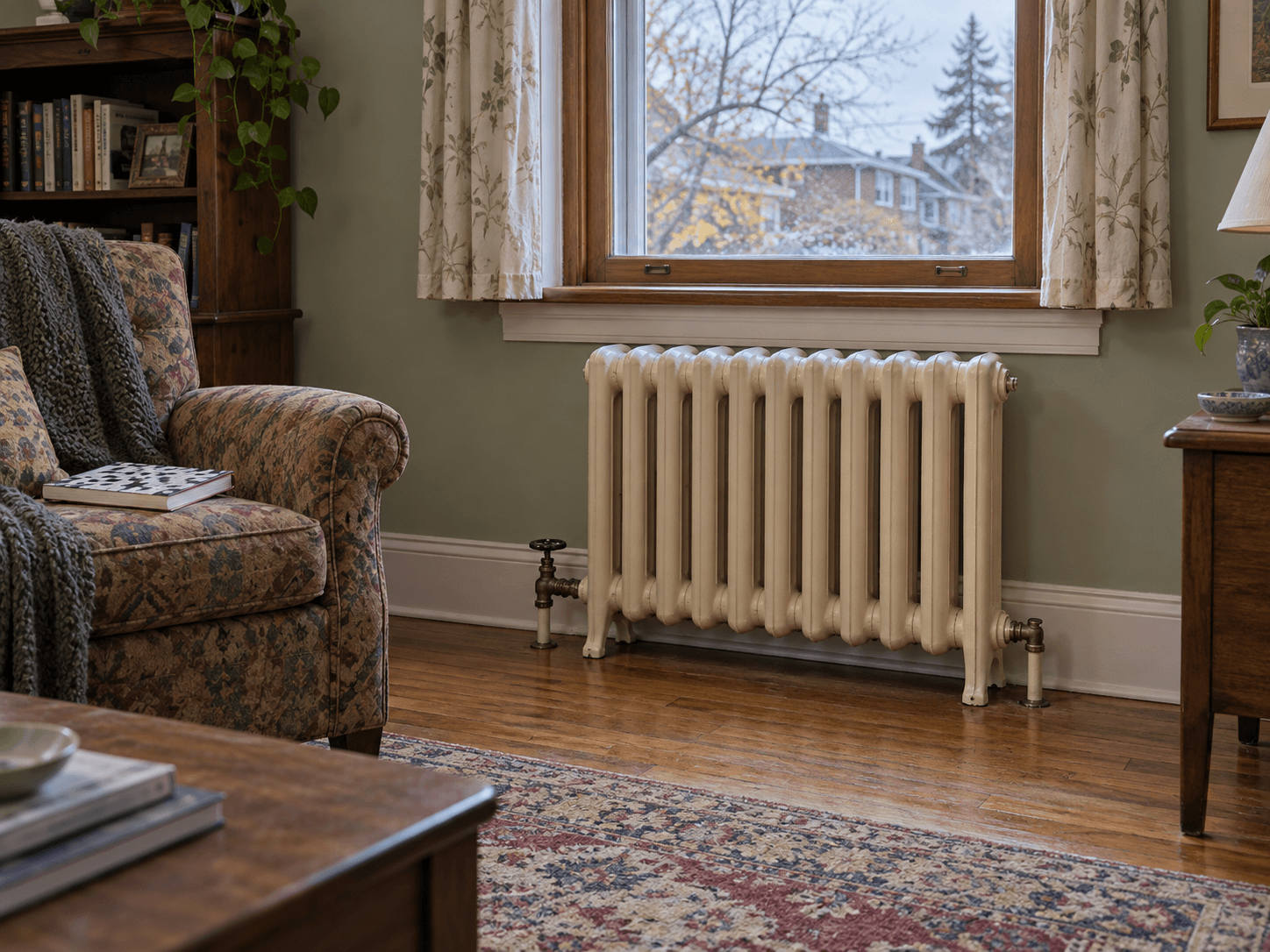
First confirm that this is hot-water heating. Steam radiators and electric heaters need different advice, even when their shapes look familiar. If the system is new to you, ask the service company to identify it from the equipment model and photographs before attempting any maintenance.
The pattern matters
Source: Natural Resources Canada: operating hydronic heating
Air can collect in the upper part of a water-filled radiator and interfere with circulation through it. A cool upper section, perhaps accompanied by gurgling, can fit that explanation. NRCan notes that hydronic systems work best with air removed and the correct system pressure maintained.
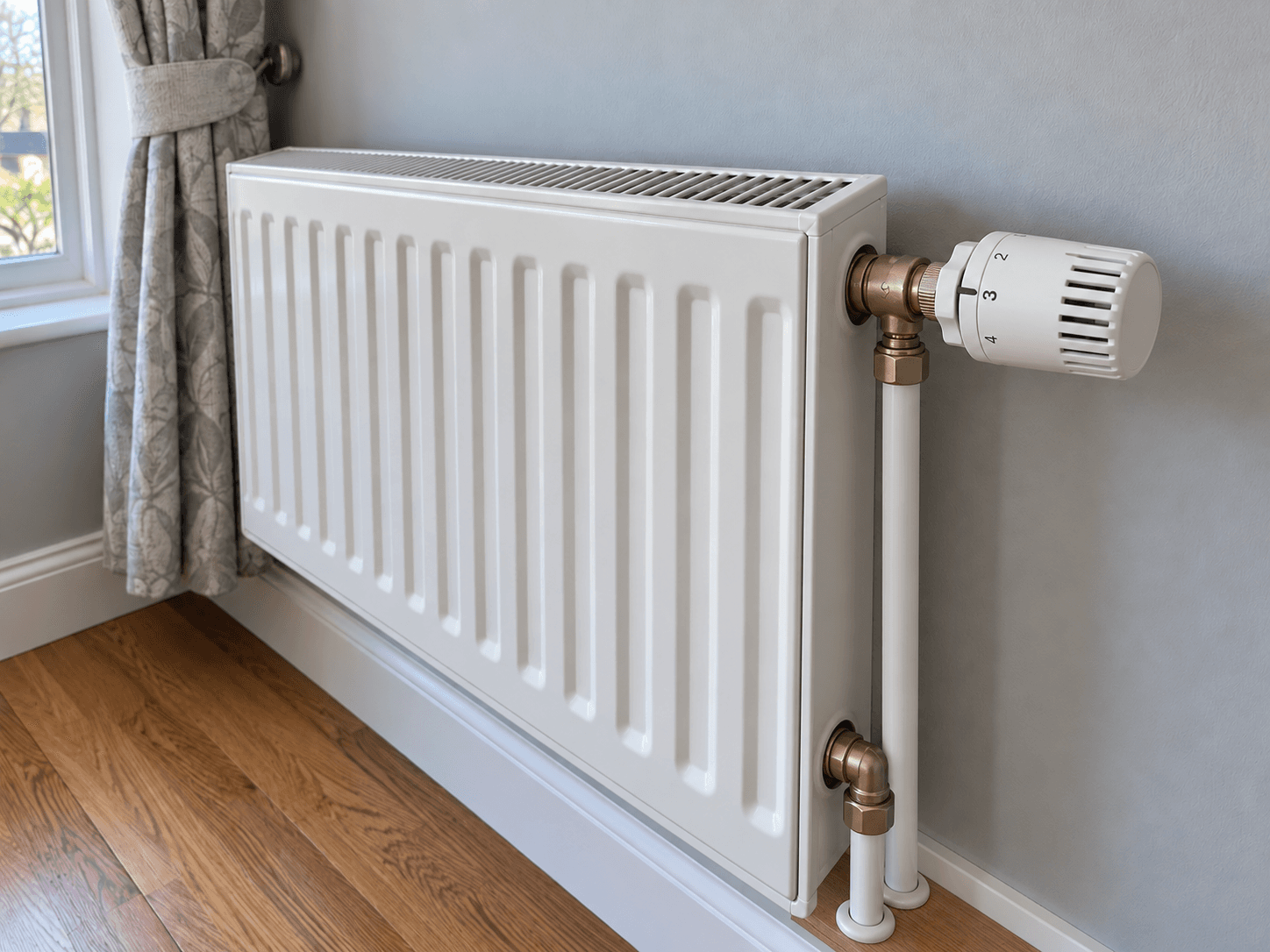
A radiator that is cold everywhere raises different questions: is its zone calling for heat, is a local control satisfied, or is water failing to reach it? A radiator that warms normally while the room stays cold may have an output or building heat-loss problem. None of those cases is settled by the word 'bleeding'.
Do not judge the pattern immediately after heating starts or after a thermostat has already satisfied the room. A radiator need not remain uniformly hot all day. Avoid using your bare hand to test a hot surface; report what you have noticed and let a technician make controlled measurements where needed.
Give the service call something useful
- Name the affected room and whether neighbouring radiators behave normally during the same heating period.
- Record the thermostat setting, room temperature and whether the control is asking for heat.
- Note gurgling, recent service, a system refill or a problem that returns after previous bleeding.
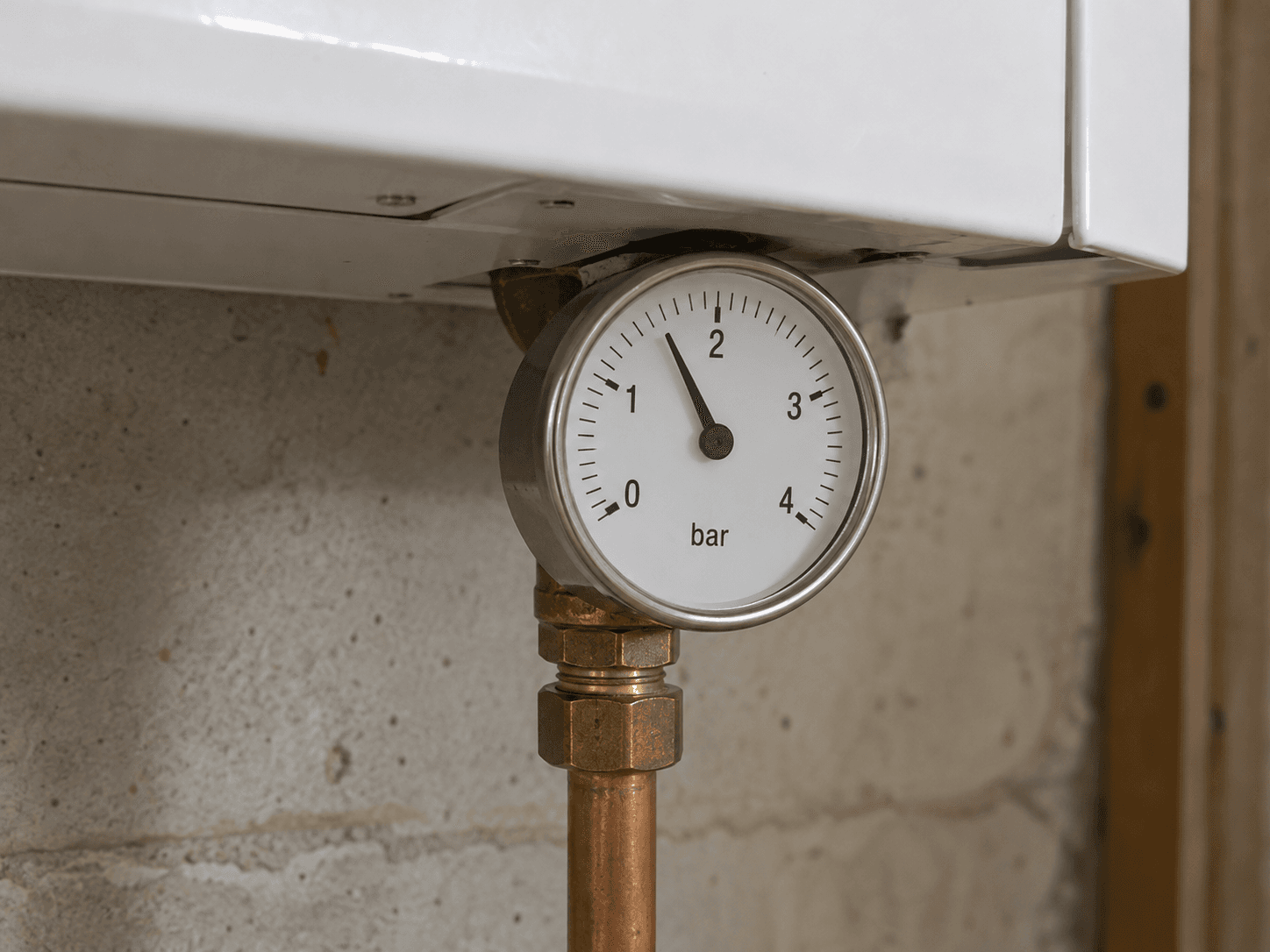
- Photograph an accessible pressure display and any visible dampness without opening covers or approaching hot discharge water.
For example, 'the upstairs front radiator has gurgled since the downstairs work, and the other upstairs radiator is normal' is more useful than 'the boiler is weak'. Keep the observation separate from your theory. That helps the person attending choose what to inspect first.
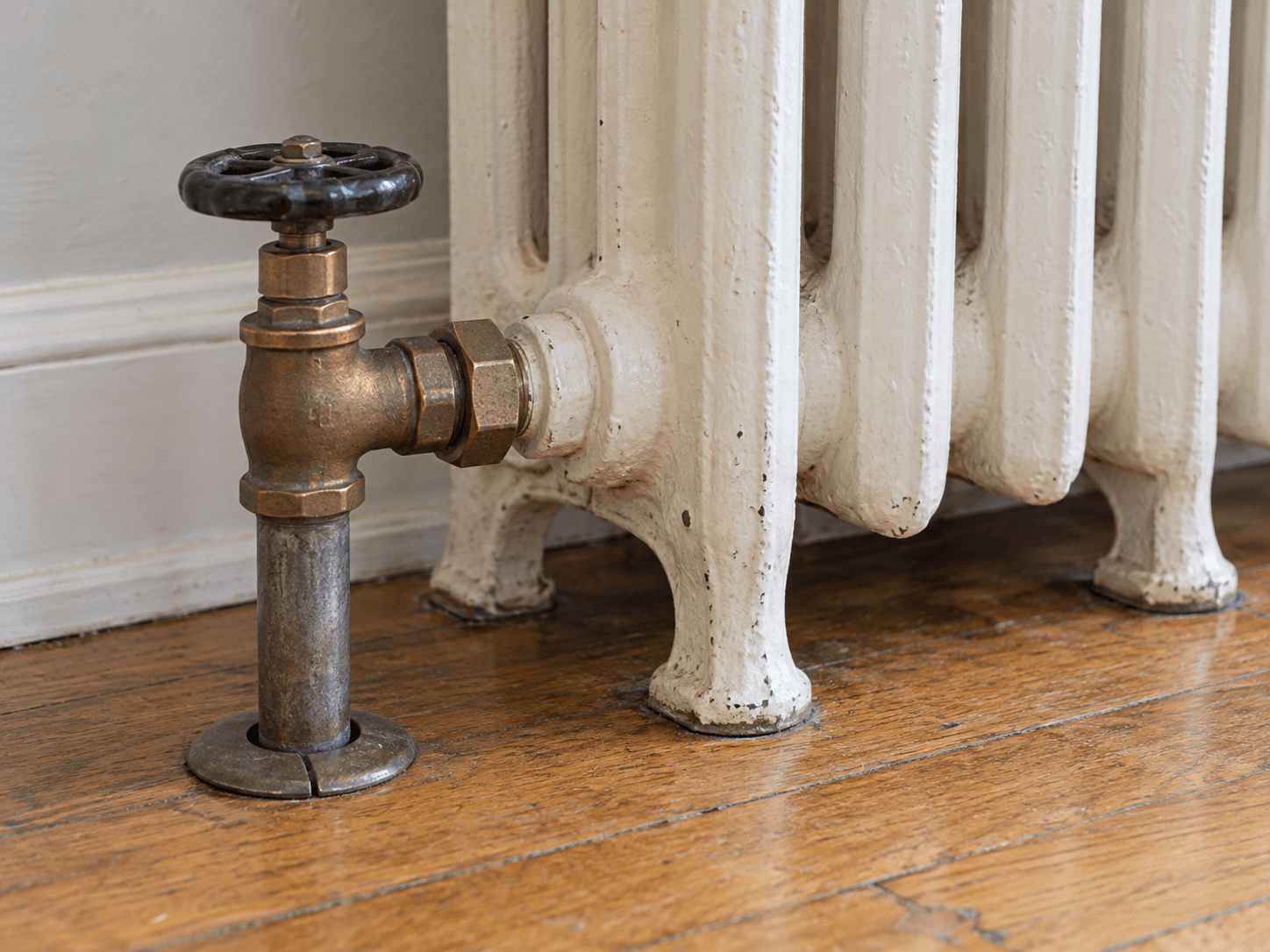
Use the instructions for this system
Source: Viessmann: Vitodens 100-W owner instructions, system pressure and visual checks
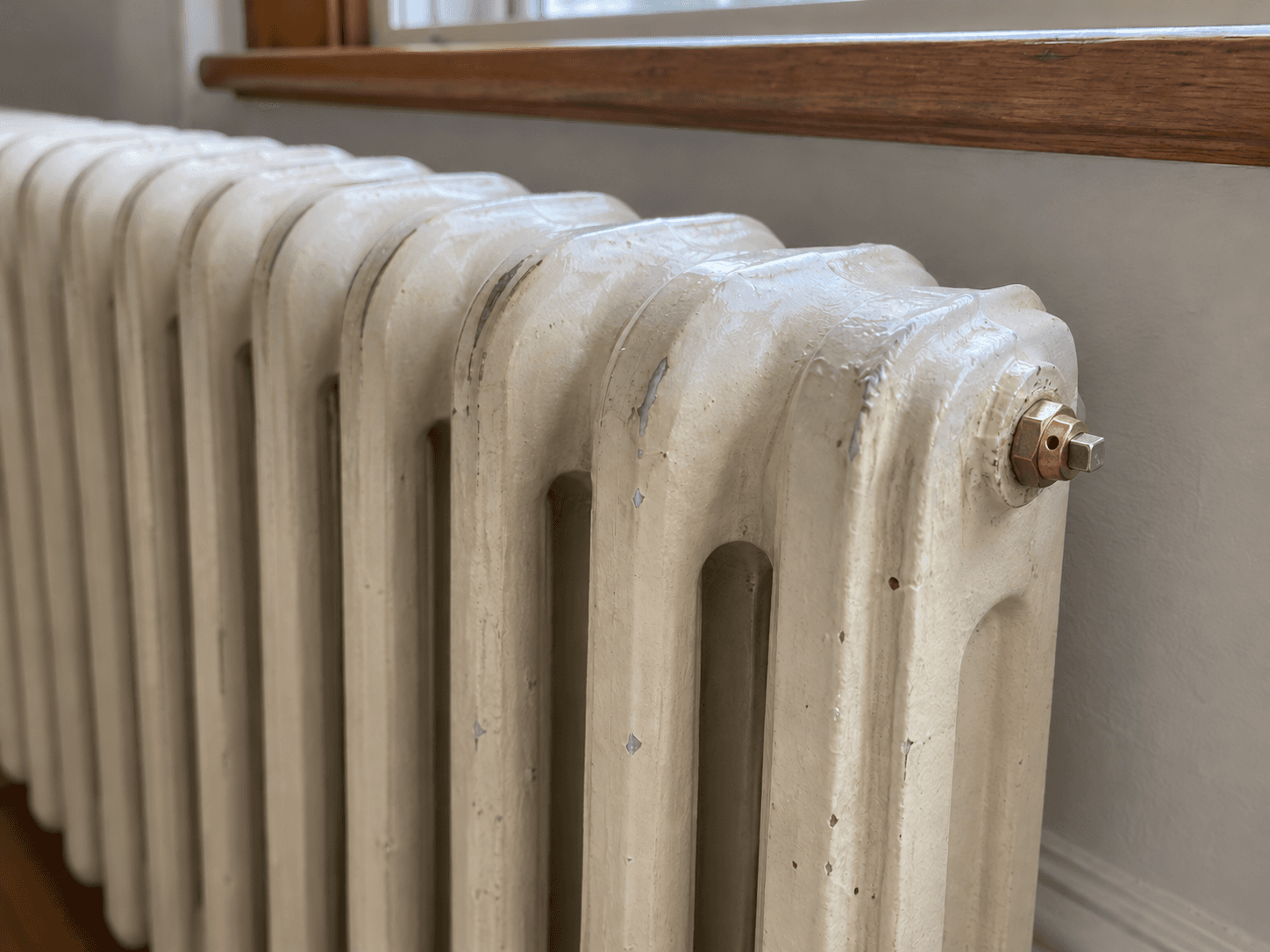
Bleeding may be an owner maintenance task on an identified system with clear instructions. It can also release hot water and change system pressure. Have the contractor explain the correct cold-system procedure, which fitting is the bleed point and how pressure is monitored. If those details are missing, leave it for service.
Do not remove a vent screw, force a painted fitting or open a filling valve because a video shows a similar boiler. A specific manufacturer's pressure example is not a target for every house. Viessmann's owner guidance explicitly tells the owner to ask the contractor for the required system pressure.
If air keeps returning, pressure repeatedly falls, water leaks or the radiator still will not heat, arrange an assessment. Repeating the same release-and-refill routine can conceal the problem. The useful outcome is a radiator that heats reliably, with a system that keeps its water where it belongs.