A room can have two temperature controls without having two ways to demand more heat. The dial on a radiator often regulates water entering that radiator. The wall thermostat may decide whether the heating system runs at all. Knowing which does what avoids a lot of pointless turning.
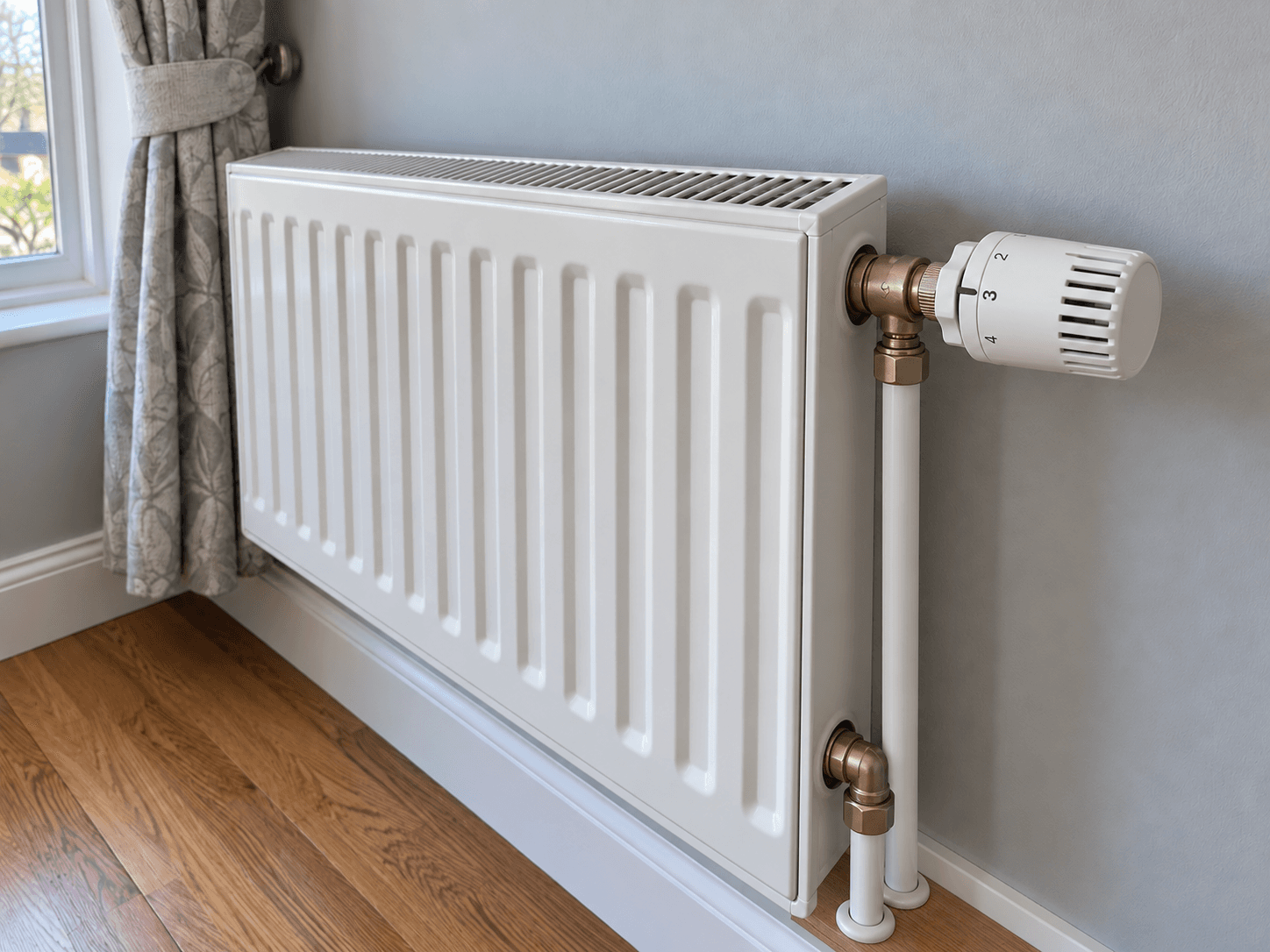
The numbered head senses the room
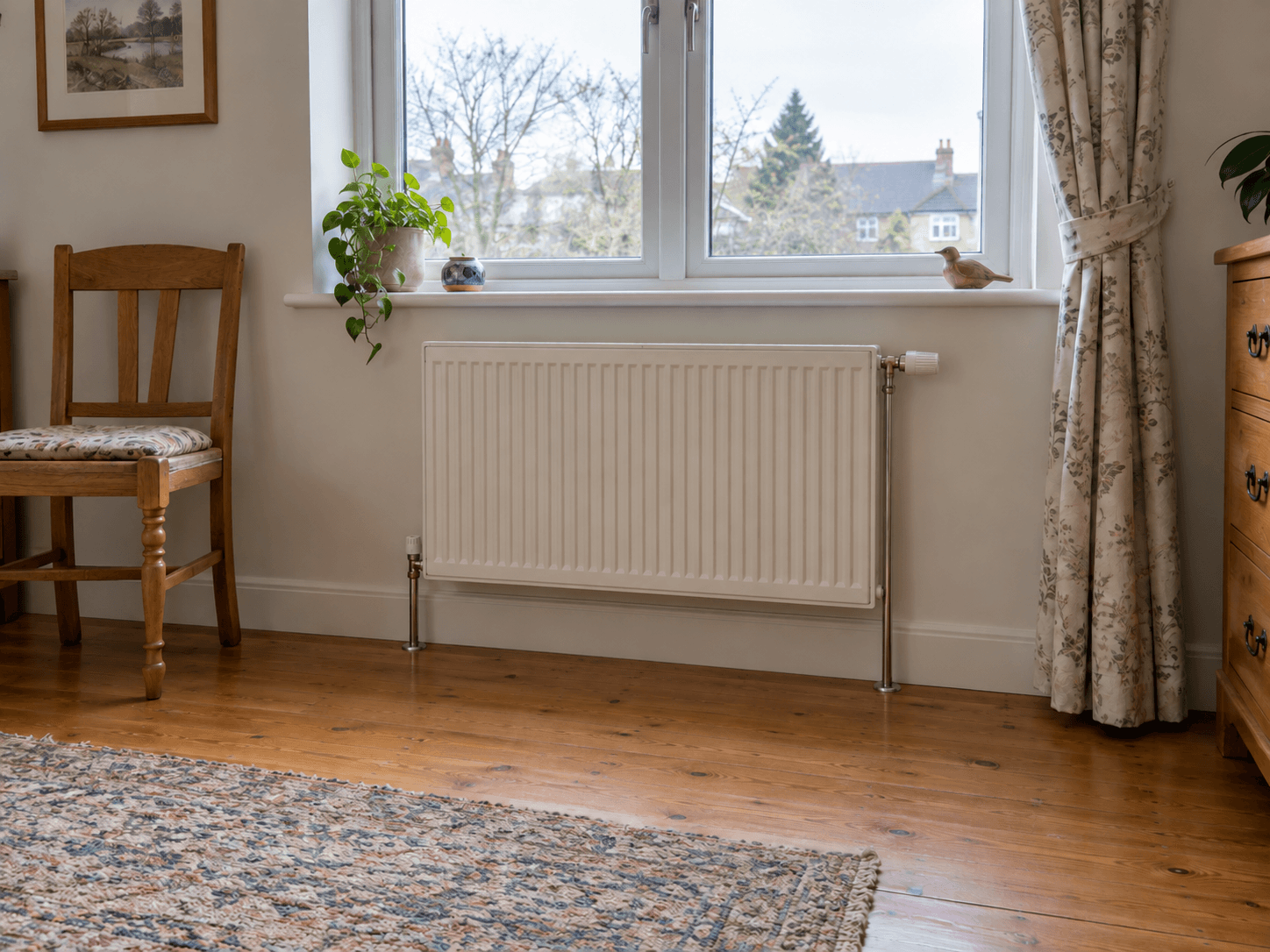
A thermostatic radiator valve, usually called a TRV, changes water flow in response to the temperature sensed near its head. As the space warms towards the selected setting, the valve reduces flow. As it cools, it can allow more water through, provided the heating system is supplying it.
The numbers are reference settings, not litres per minute or a radiator temperature. Their approximate room-temperature meaning depends on the product. Look up that valve's scale rather than applying a number from another brand. A frost symbol also has a particular meaning; it is not a guarantee that every pipe in the house is protected.
Choose a reasonable setting, let the room settle and judge the temperature where you actually sit. Turning the head to its maximum cannot create hotter boiler water or make an unavailable heating circuit run. Repeated adjustments make it harder to learn which setting works for the room.
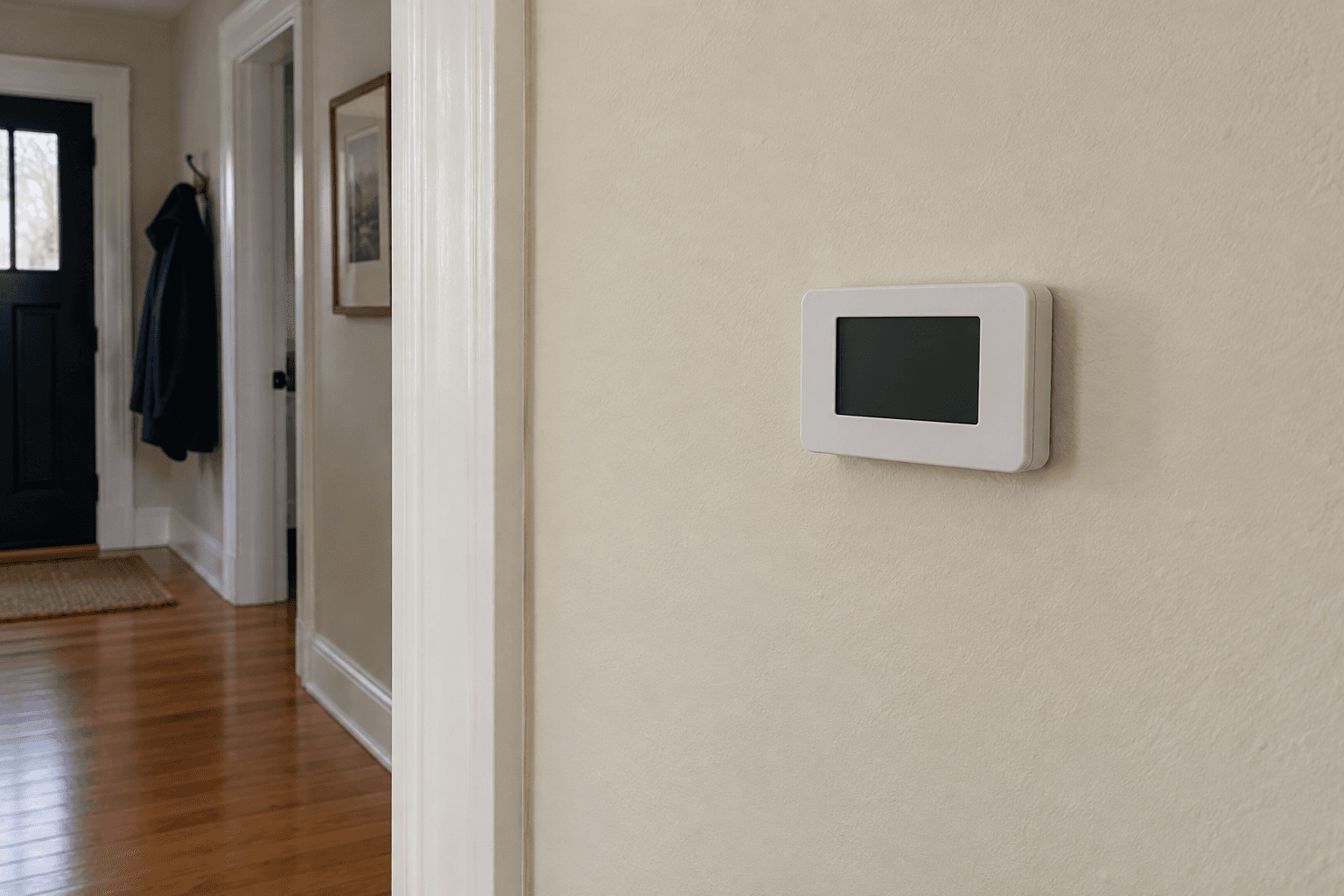
Find out what calls for heat
Source: Caleffi idronics 36: zoning with thermostatic valves
In a simple system, the wall thermostat enables heating while individual TRVs limit rooms that would otherwise become too warm. More elaborate systems may communicate room demand back to the boiler. The control arrangement matters, so ask the installer to explain yours in plain language.
A TRV turned down in the room containing the main thermostat can prevent that room from satisfying the thermostat, depending on the design. Meanwhile, other rooms may continue receiving heat. Conversely, a warm thermostat room can stop a simple system before a colder room is comfortable. These are coordination questions, not reasons to remove valve heads.
Ask which radiator controls should be left alone, which rooms can be adjusted independently and what happens as valves close. Pump operation, bypass arrangements and minimum circulation belong to the system design. Do not close every radiator as an experiment to force heat somewhere else.
Let the sensor feel the room
A heavy curtain or close-fitting radiator cover can trap warm air around the head. The valve may then reduce flow while the occupied part of the room remains cool. Keep the sensing head exposed to representative room air and preserve the emitter's specified clearances.
If the radiator must sit behind an enclosure, ask whether an appropriate remote sensor is needed. Do not solve a sensing problem by repeatedly increasing the setting or buying an unrelated replacement head. The head and valve body must be compatible.
When the dial stops helping
A room that stays cold at every setting, a radiator that never cools, a leak or a jammed control needs investigation. Record the current setting and whether the main thermostat is calling for heat. Leave caps, valve pins and pipe fittings assembled unless the exact owner instructions identify an appropriate task.
Once the controls are explained, write a small note in the household manual: which thermostat starts heating, what the radiator numbers mean and the usual setting for each room. That is much easier to live with than a house where everyone quietly turns every dial to five.