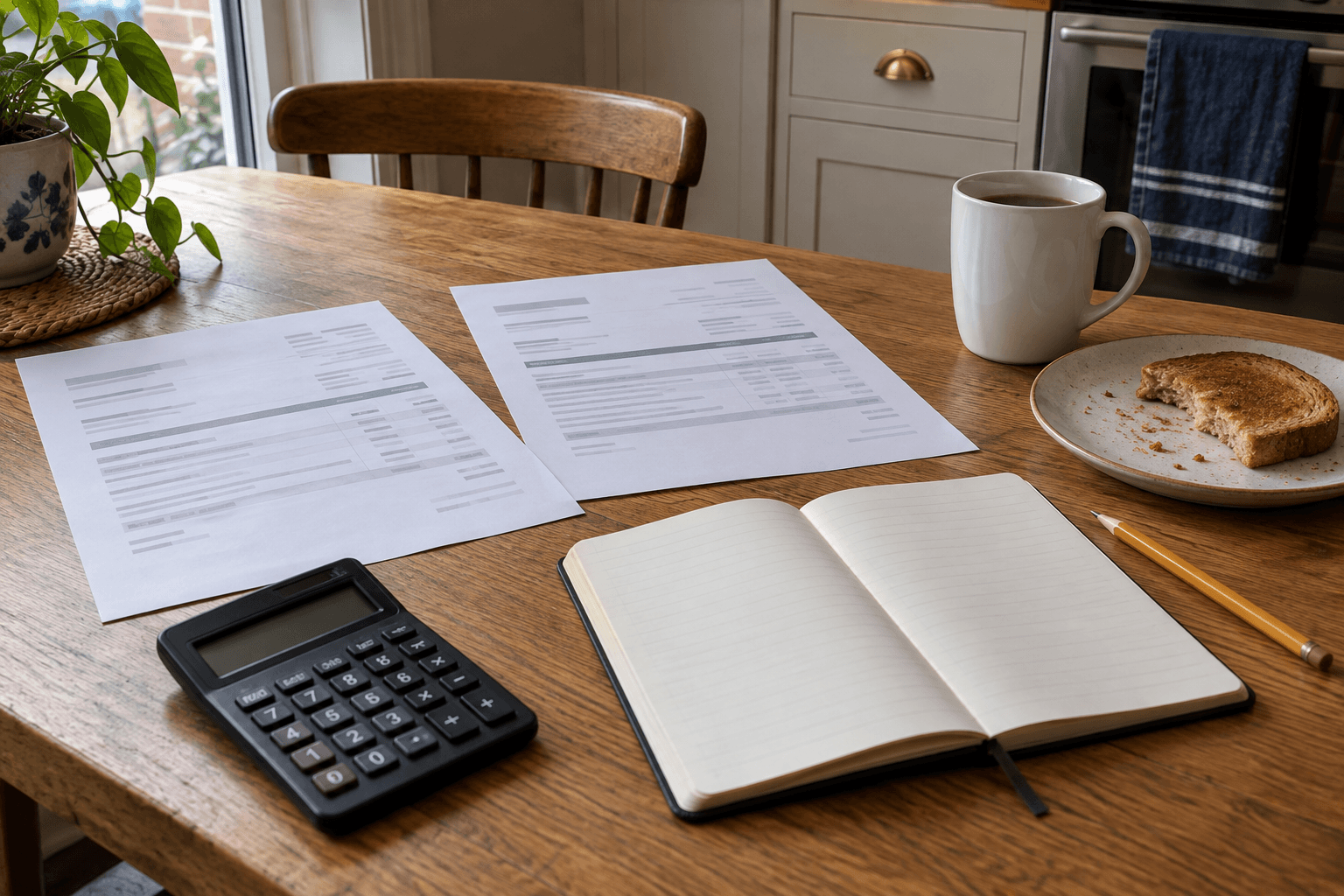
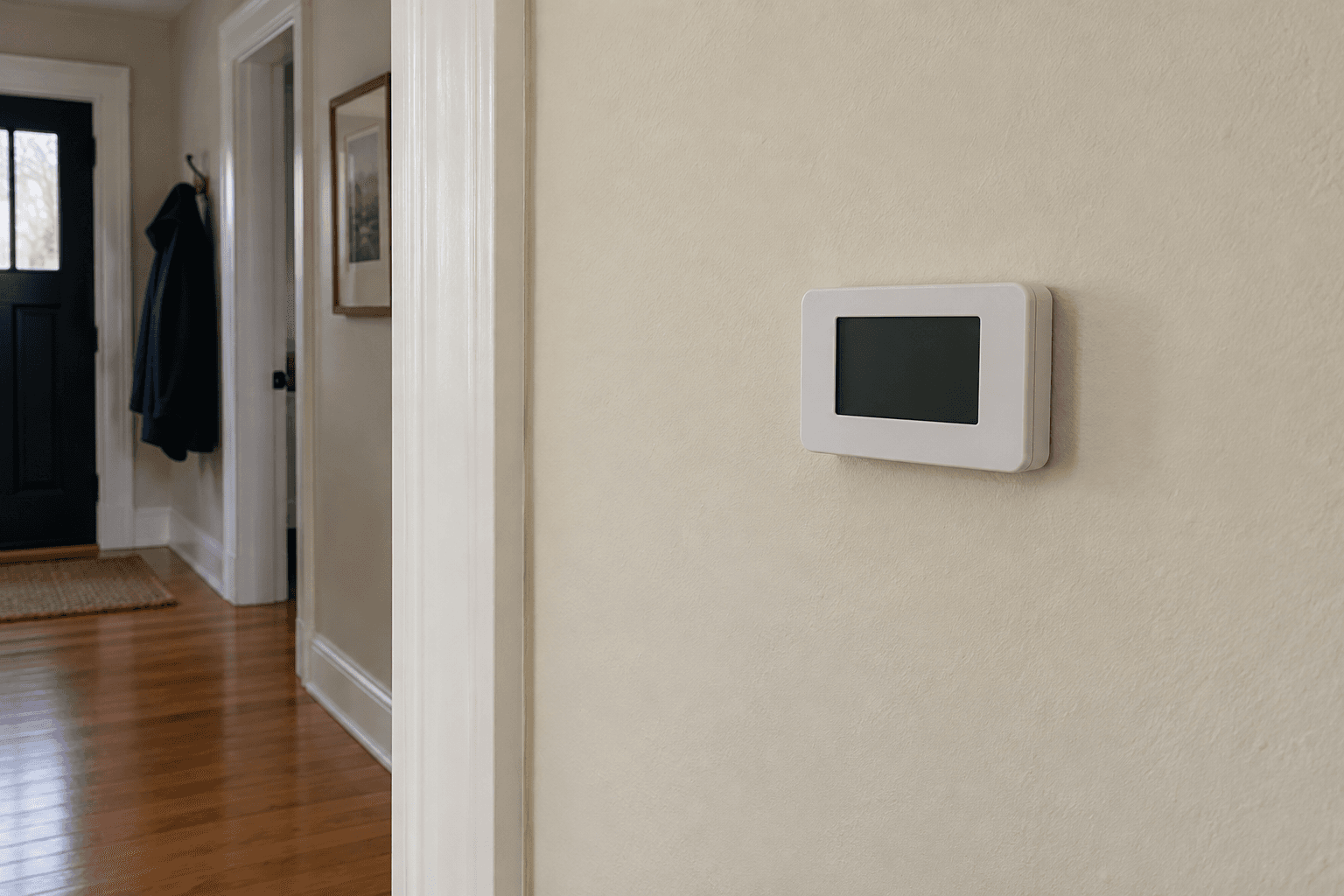
The little monitor rose steadily while six of us sat around the dinner table. I was tempted to photograph the highest number and send it to someone with the question, 'Is this bad?'
Instead, I saved the time history and noted how many people were there, which doors were open and what the ventilation was doing. The pattern had more context than the peak.
Know what the device measures
Source: Health Canada: residential carbon dioxide guidelines
Carbon dioxide, CO2, is different from carbon monoxide, CO. A CO2 monitor does not replace a certified CO alarm. A reassuring CO2 reading also cannot show that particles, radon or other pollutants are absent.
Health Canada's residential CO2 guideline uses 1,000 ppm as a 24-hour average, not a single instantaneous alarm threshold. Occupancy and ventilation influence readings, so a short dinner-time peak and a persistent pattern deserve different interpretation.
We followed the monitor's placement and calibration instructions. Breathing directly onto it or moving it from room to room every few minutes would make the record harder to interpret.
Use the record to ask better questions
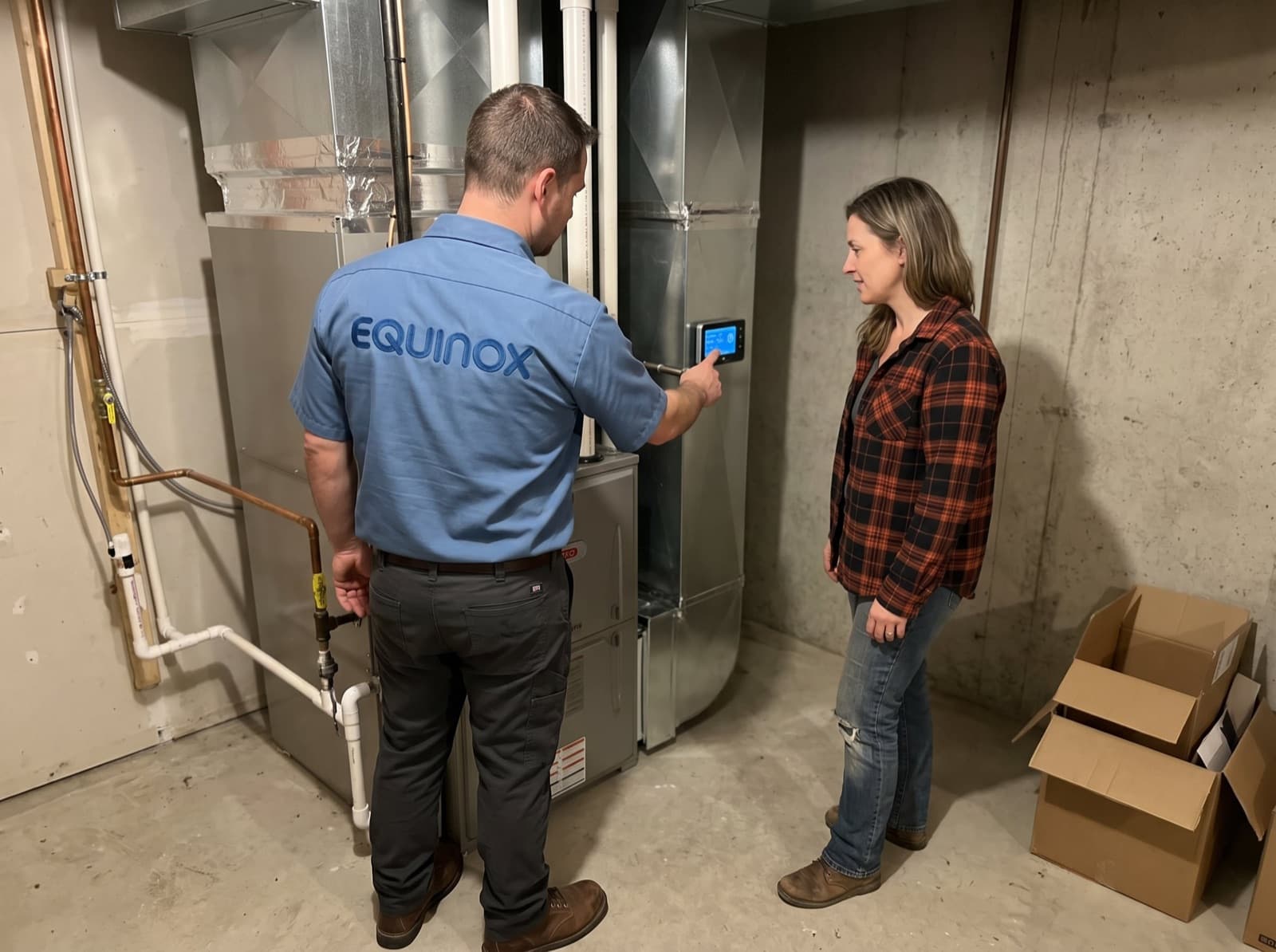
Persistent high readings prompted us to check whether our ventilation was operating as intended. We brought the record, room use and equipment details to the discussion. Opening windows was one option when outdoor conditions allowed; wildfire smoke or extreme weather could change that choice.
A particle filter would not remove the CO2. Replacing the filter might still be useful maintenance, but it would not answer the ventilation question the monitor raised.
If people feel unwell or a safety alarm sounds, respond to that situation promptly rather than waiting to collect a better graph.
The dinner record stayed in our household notes. It did not diagnose the house. It showed when the room was occupied and gave us a practical reason to understand the ventilation controls better.