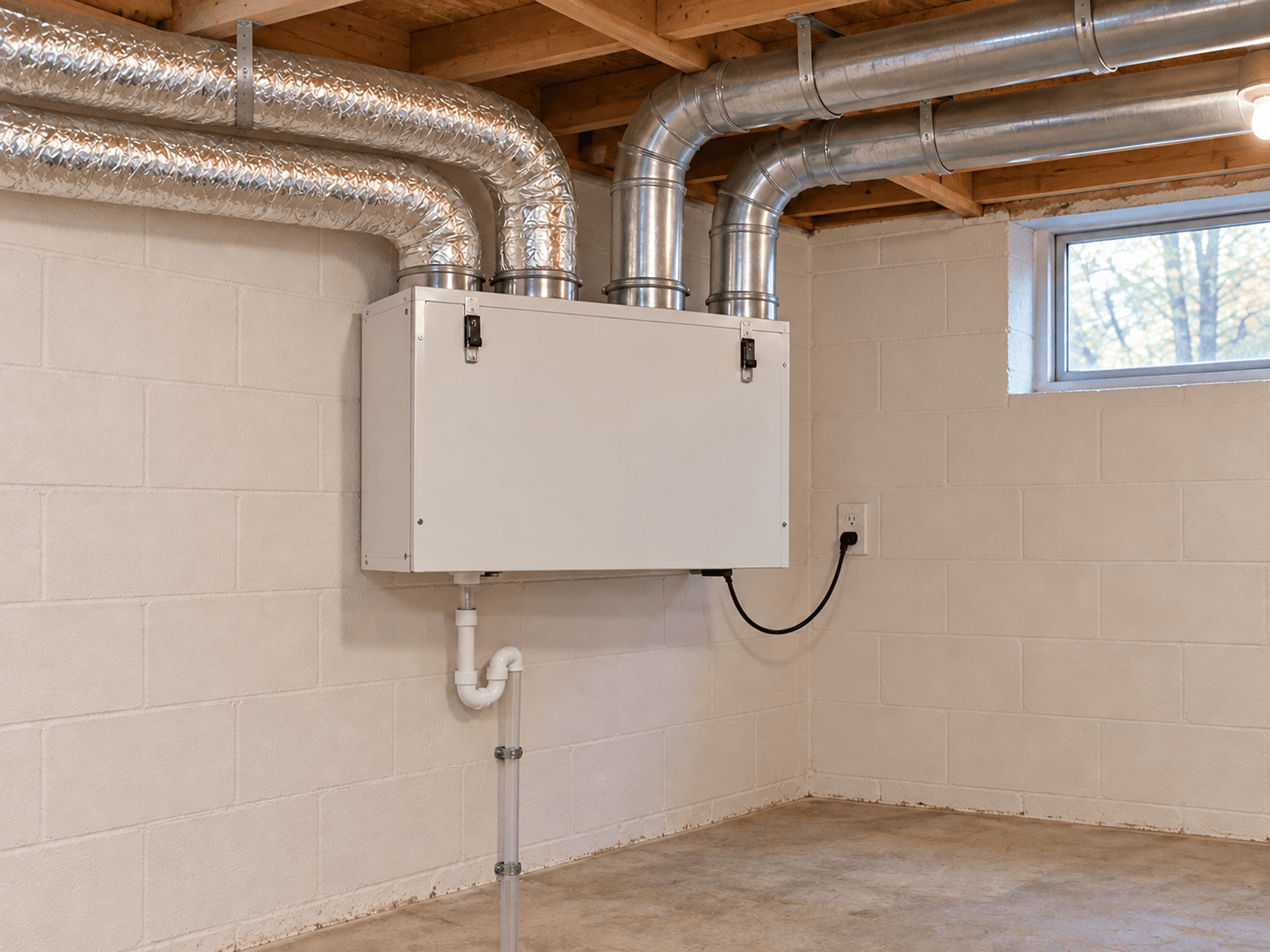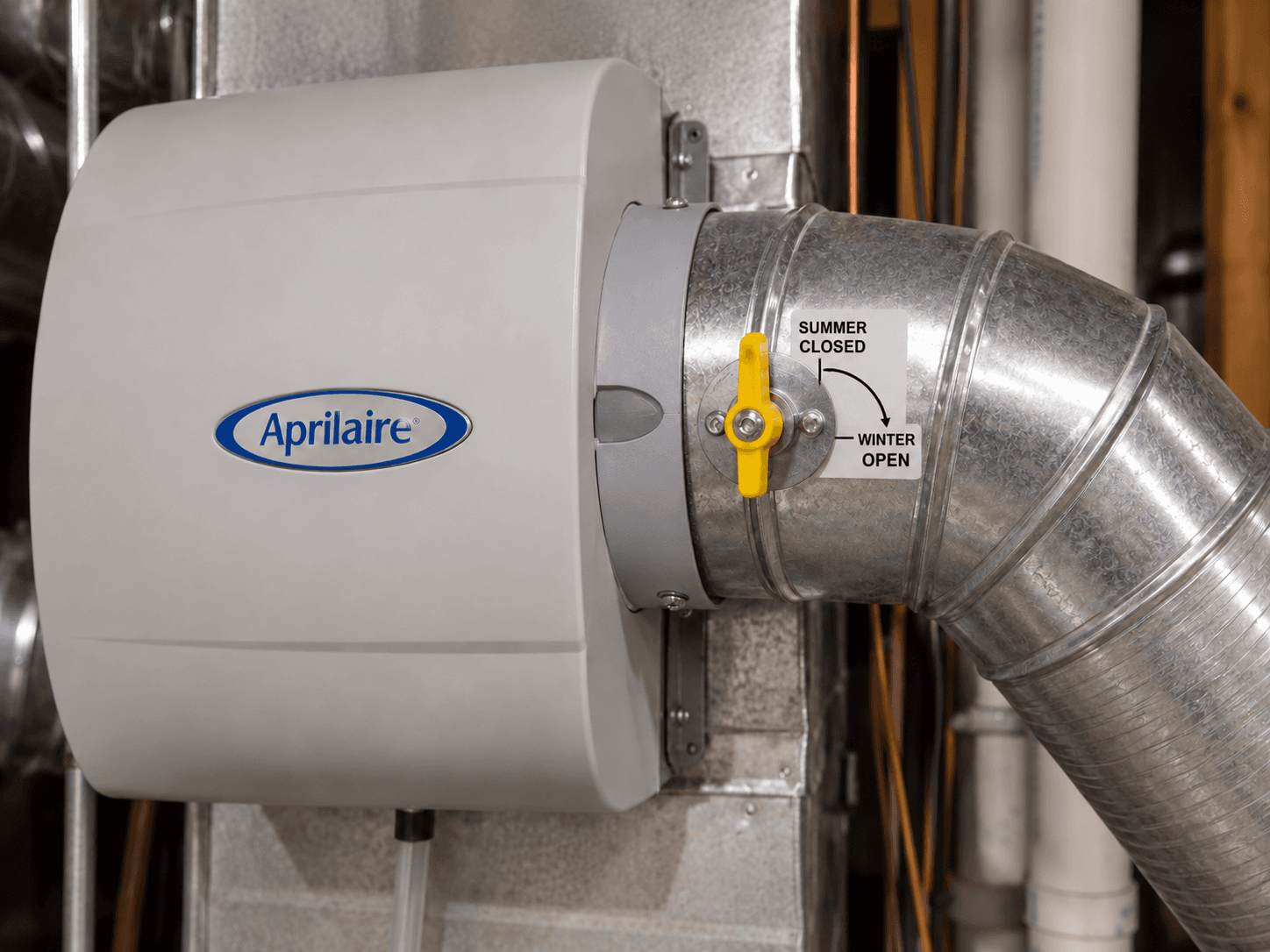
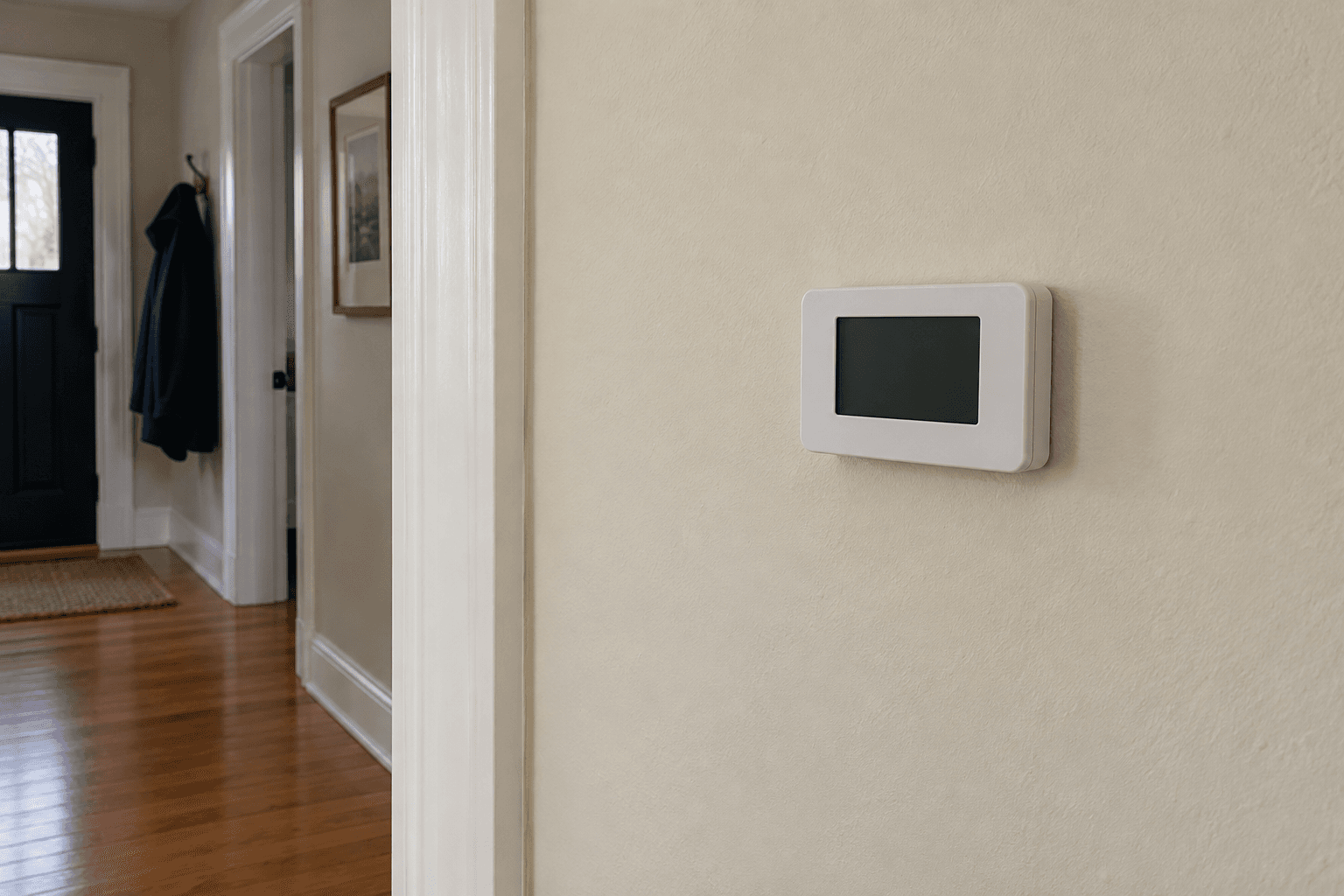
The label inside our household folder finally settled one point: it belonged to the heat recovery ventilator. It wasn't the furnace thermostat. Before changing anything else, I photographed the model number and found the matching control instructions.
A humidity number is not a fan speed
The manual separated settings I had been treating as one thing. There was the ordinary ventilation mode, a temporary boost and a humidity demand. Your controller may combine them differently, so begin with the model on the wall as well as the unit in the basement.
- Normal mode sets the routine: continuous exchange or a programmed interval, as appropriate for the installed system.
- A boost temporarily increases ventilation, often from a bathroom timer or button.
- A humidity threshold can call for more air exchange when indoor humidity rises above the setting. Lowering that percentage may trigger more ventilation, not a gentler fan.
- Recirculation moves indoor air. It should not be mistaken for continuous exchange with outdoor air.
Broan's VT7W instructions show one specific arrangement: a humidity override can take the unit to high-speed exchange until the target is reached, then return it to its previous mode. Its intermittent setting can alternate exchange with either off or recirculation. That example explains the distinction; its button sequence is not a recipe for every controller.
Adjust for the house, not just the weather icon
Health Canada notes that bringing in dry outdoor air during winter can lower indoor humidity. That helps with excess moisture, but too much exchange can make an already dry house drier. We needed a setting that maintained the intended ventilation and responded to our conditions.
We wrote down the original mode and humidity setting, then checked room humidity and the windows during ordinary use. We changed one owner setting according to the manual and compared similar days. A cold snap can change window condensation even when the control has not moved.
A dry window does not prove the ventilation rate is adequate. Equally, persistent condensation does not prove the dial needs to go lower: moisture sources, cold glazing or a ventilation fault may need attention. If the controls seem unresponsive or the house remains unusually damp or dry, have operation and airflow checked.
We left the balancing dampers and installer settings alone. The label beside our kitchen light now identifies the normal mode and the boost control. That was enough to stop the daily argument about who had turned down the heating.