The important test is not whether a combi boiler can heat a shower. It is whether the proposed system can deliver the hot water your household expects when several fixtures run together. Ask that before the old tank leaves the basement.
Describe the busiest few minutes
Source: Viessmann Canada: combi and stored hot-water options
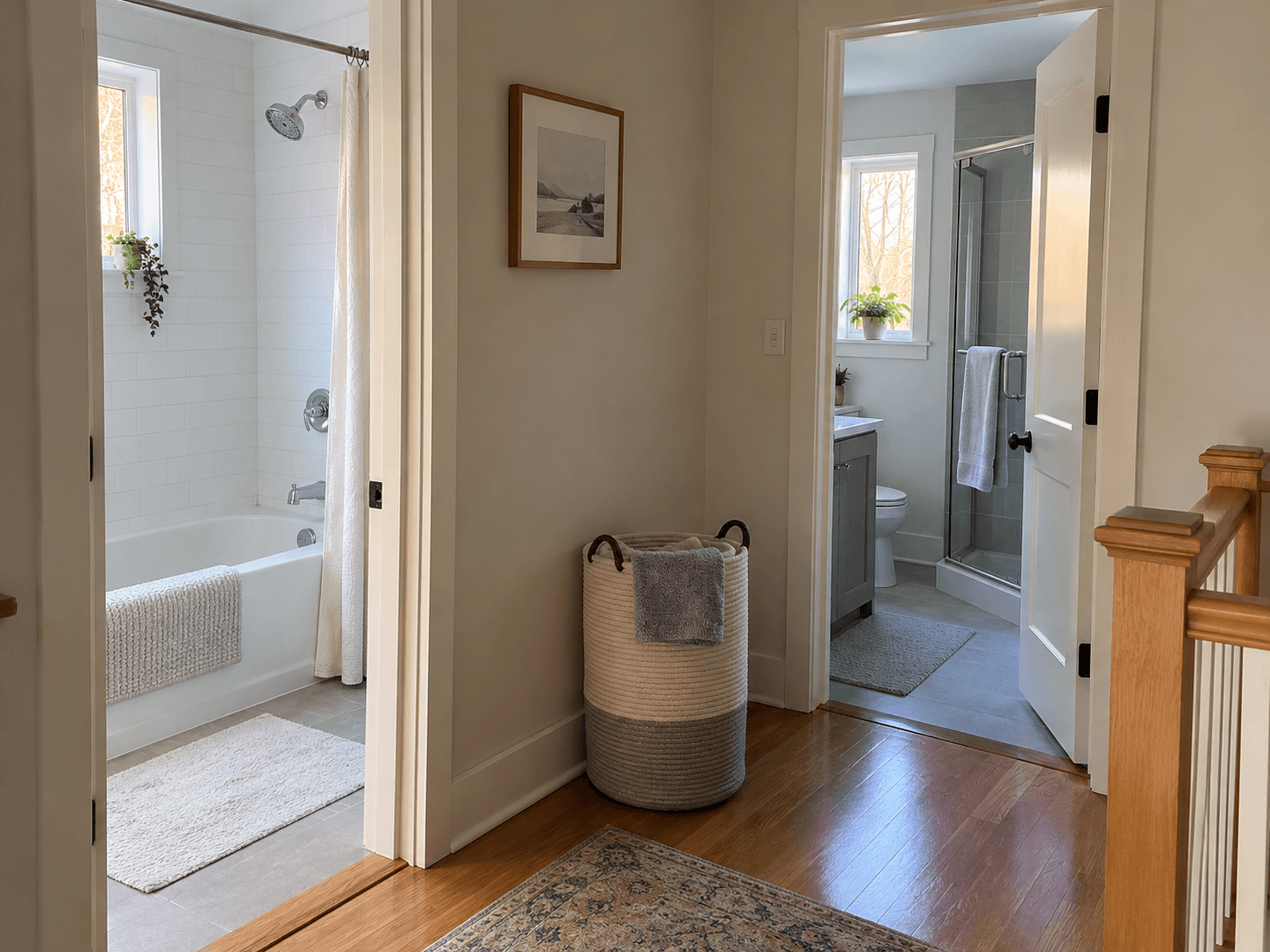
Count what overlaps rather than how many bathrooms appear on the floor plan. Two modest showers used together create a different demand from one shower followed by a bath. Add the kitchen tap or another fixture if it commonly runs at the same time.
Tell the installer which compromises you would accept. Some households can stagger showers easily. Others need two bathrooms ready during the same short morning window. Neither is the wrong preference; the equipment choice should reflect it.
- List the showers and taps likely to run simultaneously.
- Find fixture flow information where available and have the installer verify the actual demand.
- Mention large bath filling, future fixtures and any current pressure or temperature problems.
- Ask for the proposed domestic hot-water performance in writing, alongside the space-heating design.
Read the temperature rise beside the flow rate
Source: Viessmann Canada: boiler sizing and hot-water temperature rise
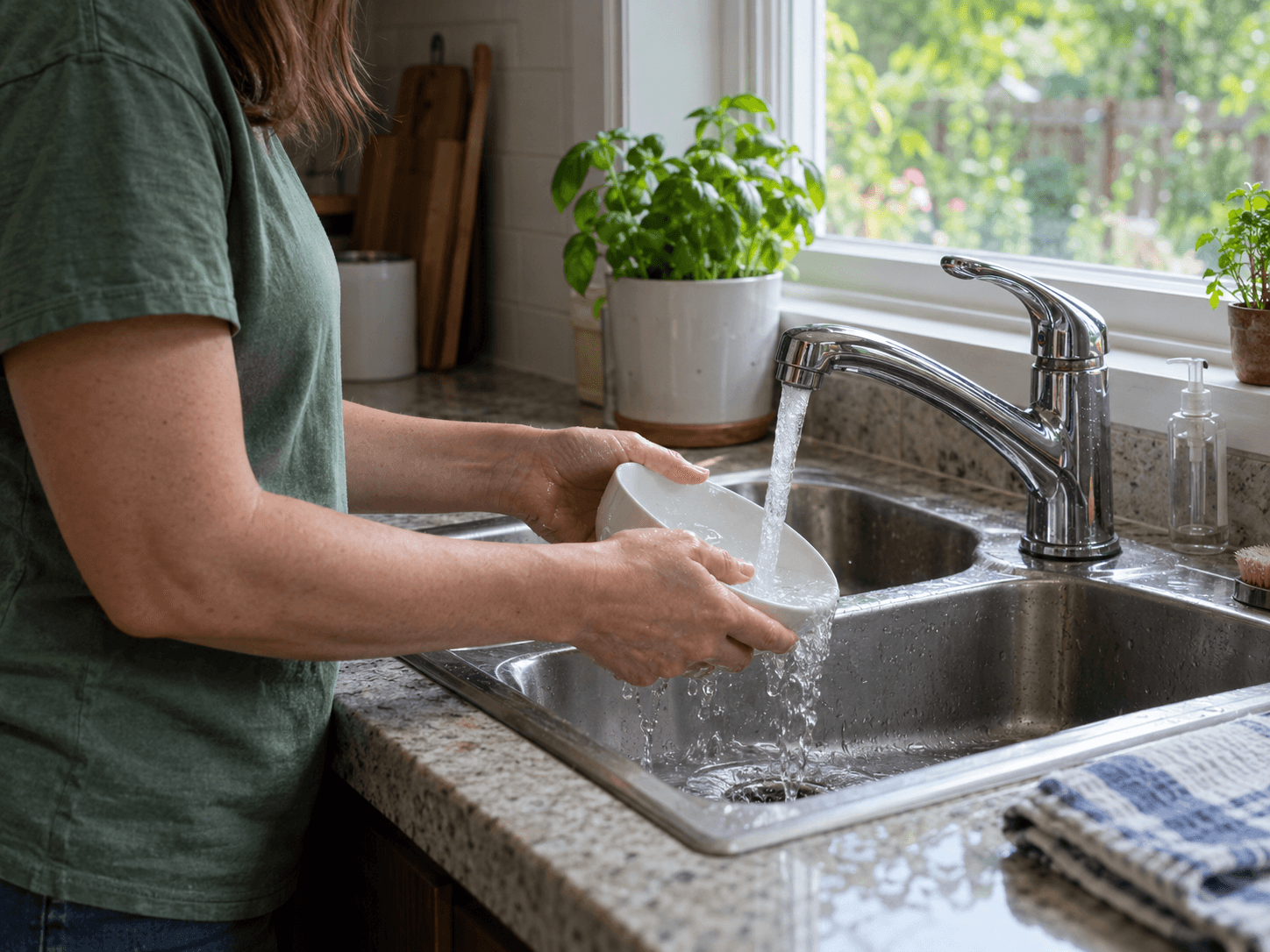
A combi's quoted hot-water flow belongs to a stated temperature rise. Heating cold incoming water to the required outlet temperature takes energy. Colder inlet water leaves less flow available at the same outlet temperature for a given heating output.
Ask the contractor to use a realistic winter inlet condition for the property. A headline litres-per-minute figure without its temperature rise is incomplete. A strong cold-water supply also does not prove the boiler can heat all that water at once.
Be precise about the comparison: fixture flow may include a mixture of hot and cold water, while a boiler rating describes its heated-water output under specified conditions. The contractor should account for the mixing and delivery temperatures instead of adding unrelated headline numbers.
For a simple illustration of overlap, two fixtures each delivering eight litres per minute produce sixteen litres per minute of mixed fixture flow. That arithmetic alone does not select a boiler. It is the beginning of the demand description, not the completed sizing calculation.
Compare the alternatives as whole systems
An appropriately designed storage arrangement can serve a burst of demand differently from an instantaneous combi. It also needs space, sufficient recovery and suitable controls. Ask for both options when simultaneous demand is important, rather than assuming a larger combi is the only answer.
The house's space-heating load still needs its own assessment. A large hot-water requirement does not mean the rooms need the same heating output all day. Ask how the selected boiler will operate during modest space-heating demand as well as during the busiest shower period.
The useful answer is specific: the proposed model, the expected simultaneous uses, the winter assumptions and any limits you have agreed to live with. 'Good for a three-bedroom house' leaves too much of the morning unexplained.