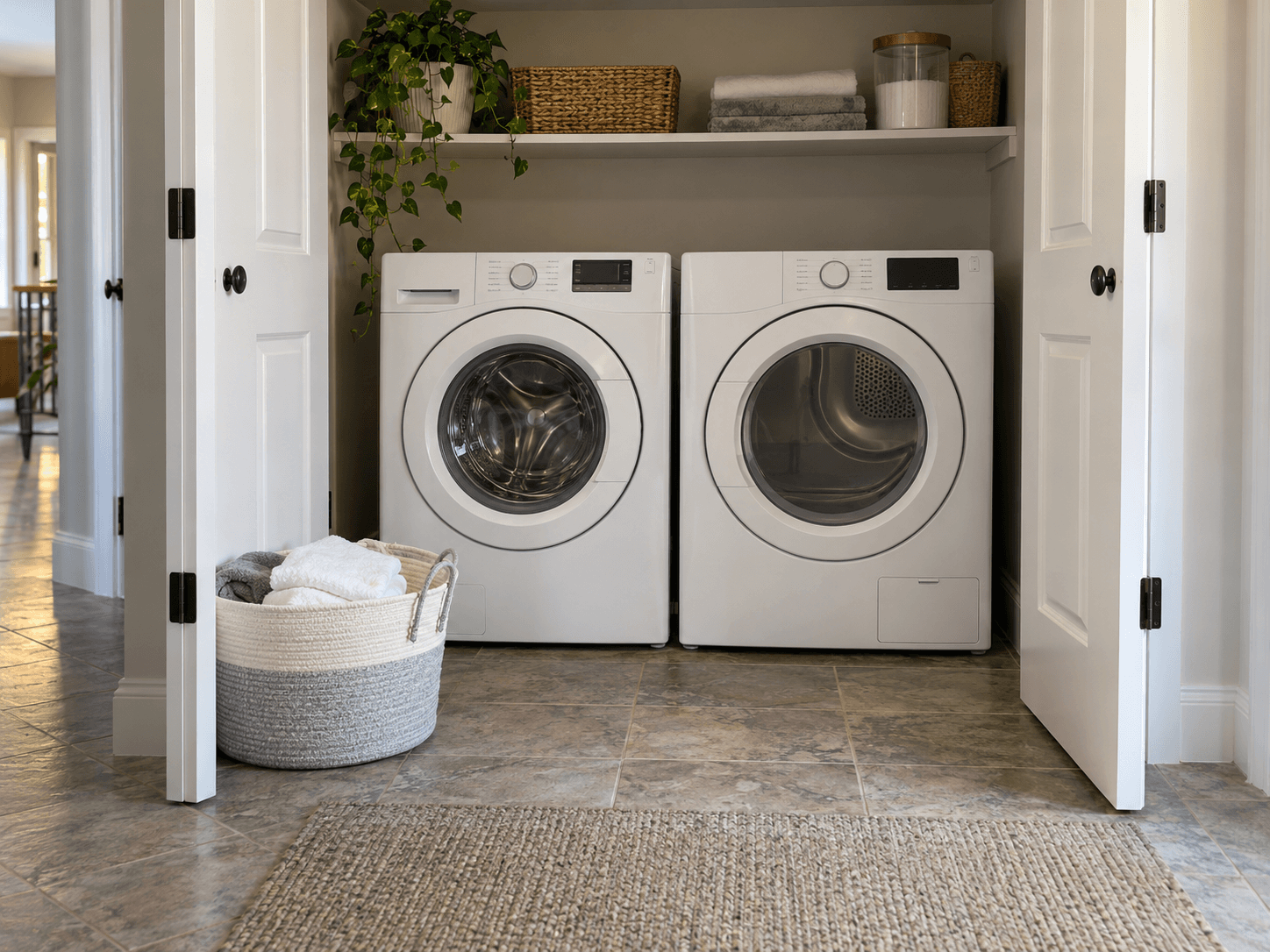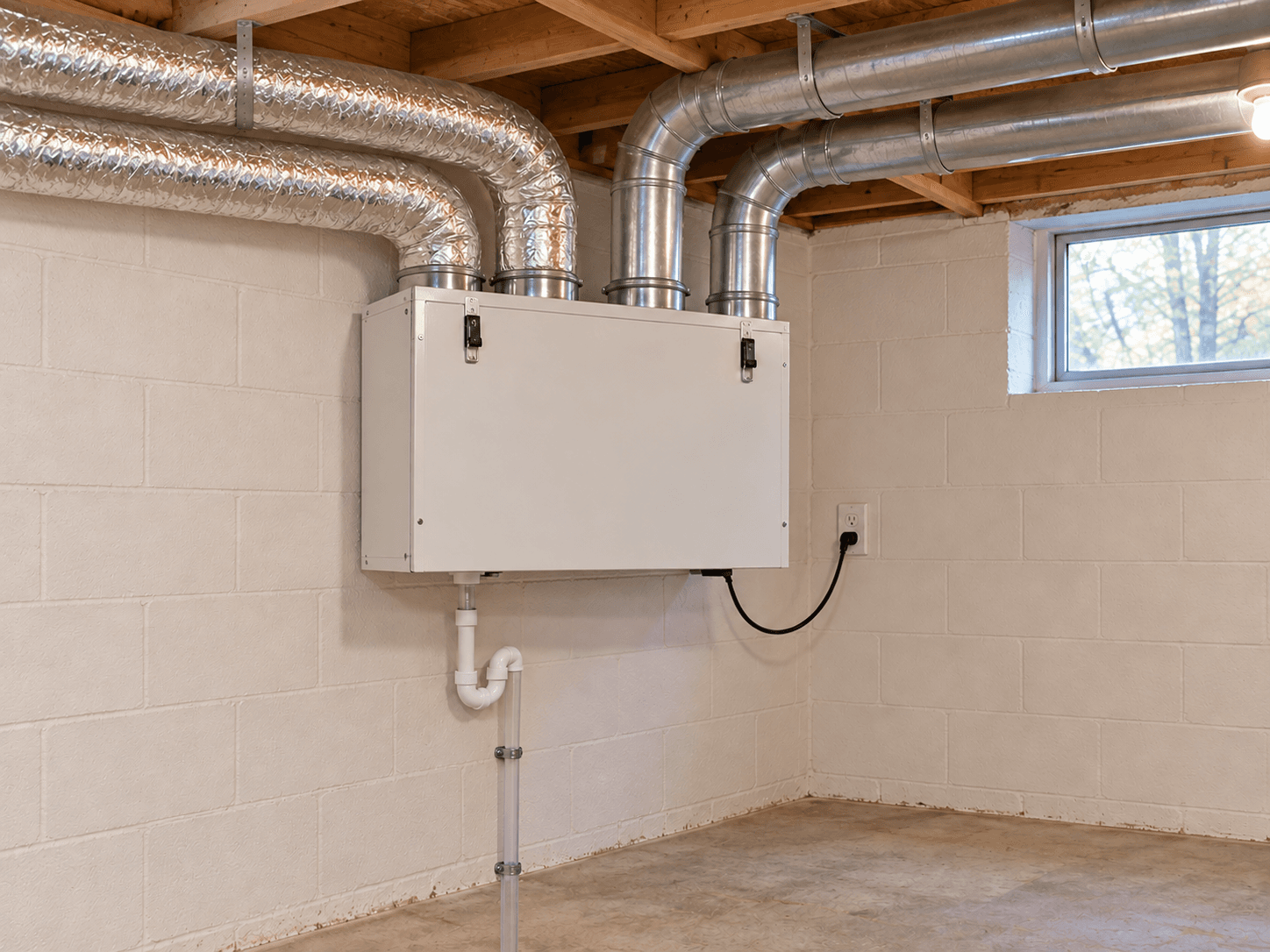
When a familiar load starts needing a second or third cycle, record the change before accepting it as the new laundry routine. On a conventional vented dryer, warm damp air has to reach the outdoors. A restricted route can leave clothes warm and still wet.
Compare a familiar load
Check the selected program, load size and how wet the clothes are after the washer's spin. A load of heavy towels and a small load of shirts are poor comparisons. Note whether drying became slower suddenly, after the dryer was moved, or gradually over several weeks.
Whirlpool lists longer drying times, unusual cabinet warmth and retained moisture among signs of restricted house venting. Those observations are reasons to investigate; they do not identify the exact location of a blockage.
A burning smell, smoke or an unusually hot appliance is a reason to stop using it. If there is smoke or fire, leave and call emergency services. Do not keep restarting a machine that is showing a safety warning just to finish the load.
Start with the filter and visible outlet
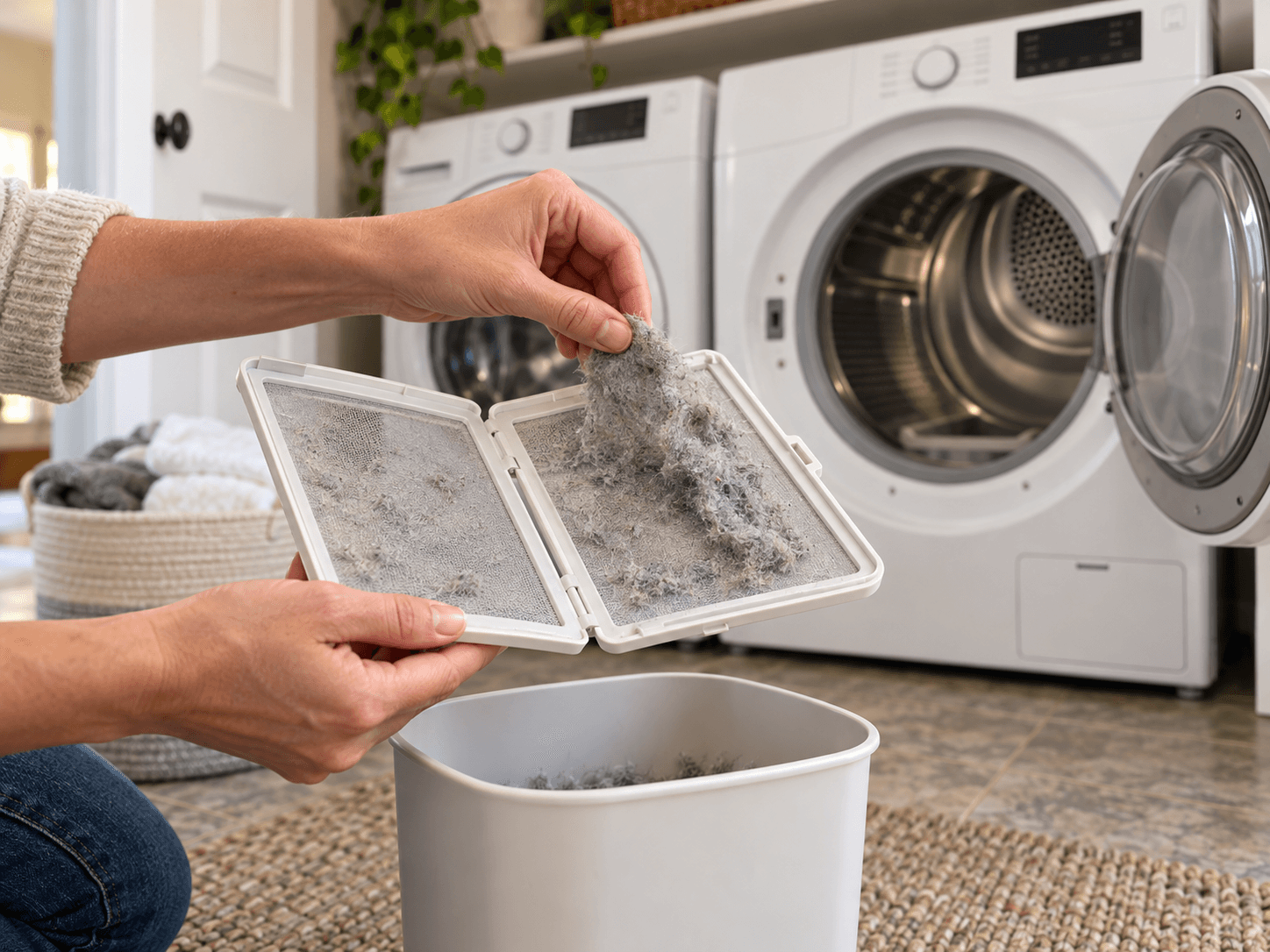
Clean the lint filter as the manual directs, and refit it before use. The U.S. Fire Administration emphasizes lint-filter care and checking for damaged, crushed or restricted venting. A clean filter does not tell you whether the rest of the duct is clear.
Without moving a heavy machine or disturbing a gas connection, look at any safely visible transition duct behind it. A dryer pushed back against the wall can crush that connection. If access requires moving equipment, have the service person handle it.
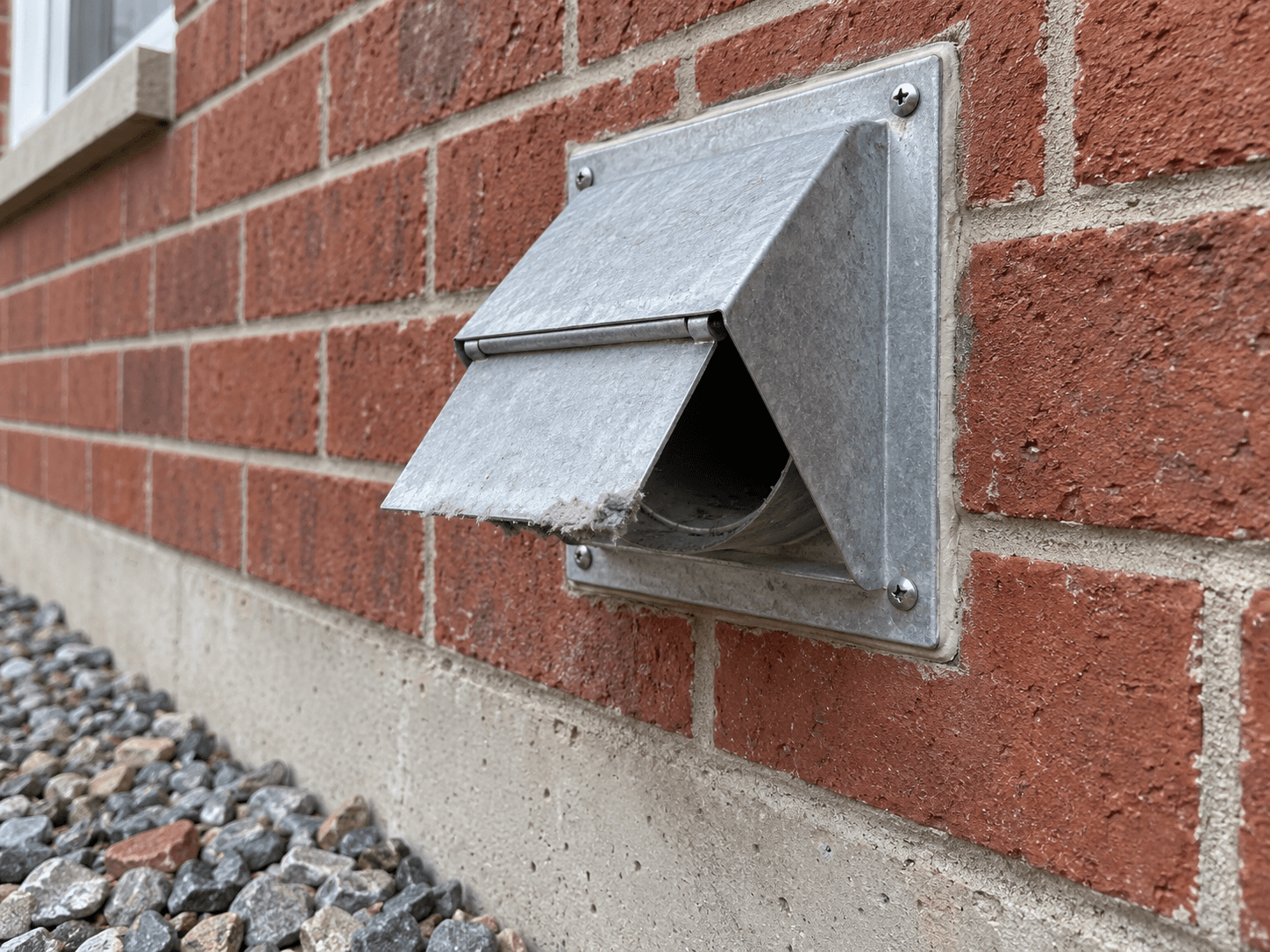
From a safe ground-level position, check the outdoor hood for an obvious obstruction and whether its flap opens during normal operation. Do not climb onto a roof, remove a bird nest or reach into running equipment. An inaccessible outlet belongs on the service request.
Ask for the duct to be checked end to end
Give the service provider the dryer model, symptoms and any recent changes. Ask them to inspect the transition, the full exhaust route and its termination, then verify performance. Clearing only the part visible behind the machine can leave a restriction farther along.
Have the installation compared with the model's permitted vent materials, length and elbows. Whirlpool's guidance directs owners to the appliance's vent-system chart because a long or complicated route affects airflow. Avoid adding a screen or improvised fitting that catches lint.
After the work, compare the same kind of load and program. Keep the cleaning date and any recommended follow-up with the appliance record. Ventless heat-pump dryers use a different moisture-removal system; use their specific filter, condensate and room-air guidance instead.