
Air conditioning can make the rooms comfortable while the windows stay closed for days. Occupancy, cooking and showers still continue. The ventilation plan needs to work during that weather too; switching off the ERV for the entire summer is not a universal operating rule.
Recovery reduces part of the incoming load
Source: Health Canada: energy recovery during summer ventilation
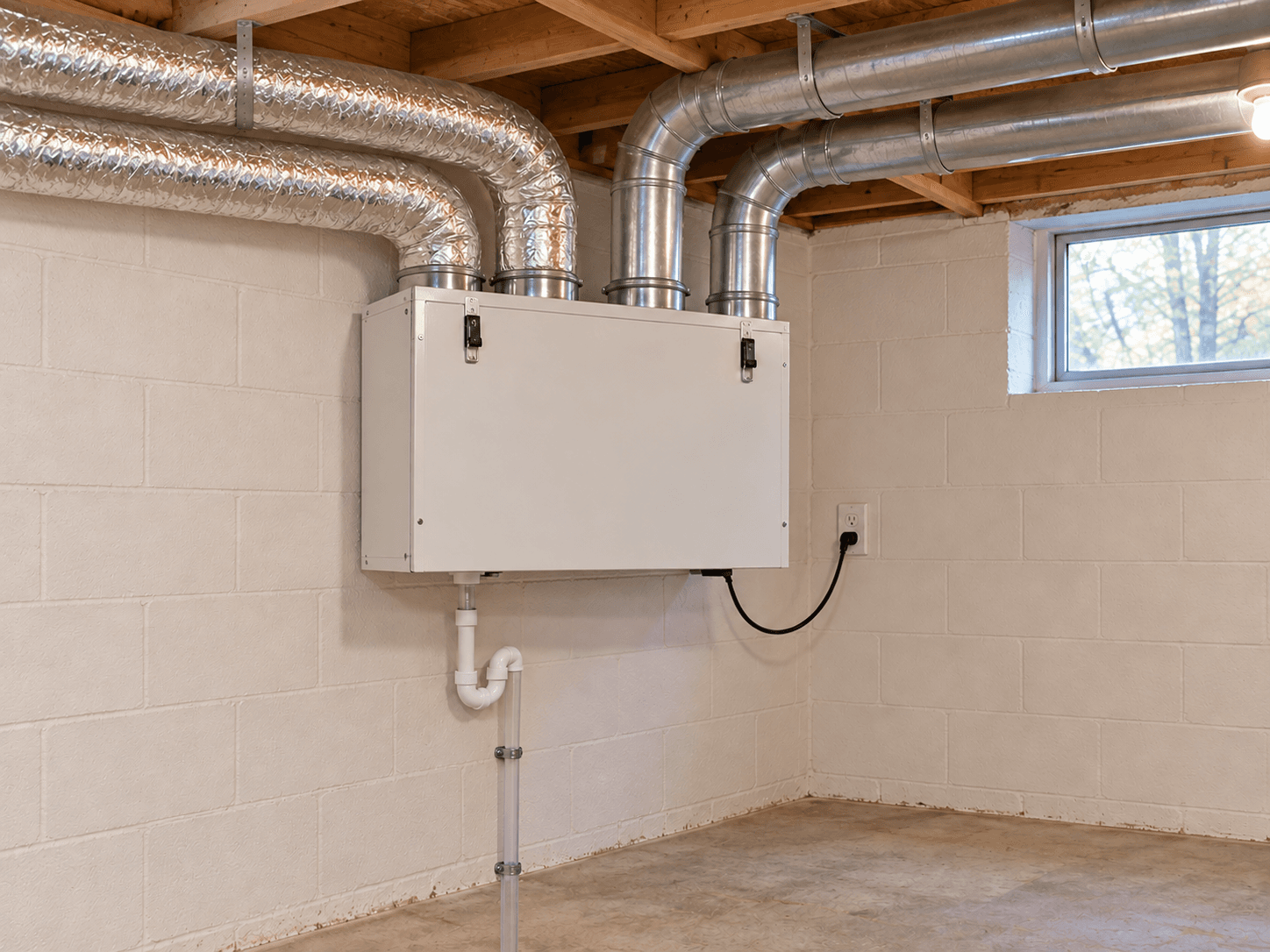
An energy recovery ventilator exchanges indoor and outdoor air while transferring heat and some moisture between the two streams. When outdoor air is warmer and more humid than an air-conditioned house, recovery can reduce the heat and moisture carried in with that ventilation air.
Health Canada describes this summer benefit for air-conditioned homes. The amount of transfer depends on the equipment and conditions. An ERV does not make humid outdoor air identical to the indoor air.
It also does not provide a stand-alone dehumidifier's moisture-removal function. If indoor humidity remains high, investigate the moisture sources, cooling or dehumidification performance and ventilation setup together. Changing one dial without understanding its function can leave a different problem unresolved.
Find out what the control is asking for
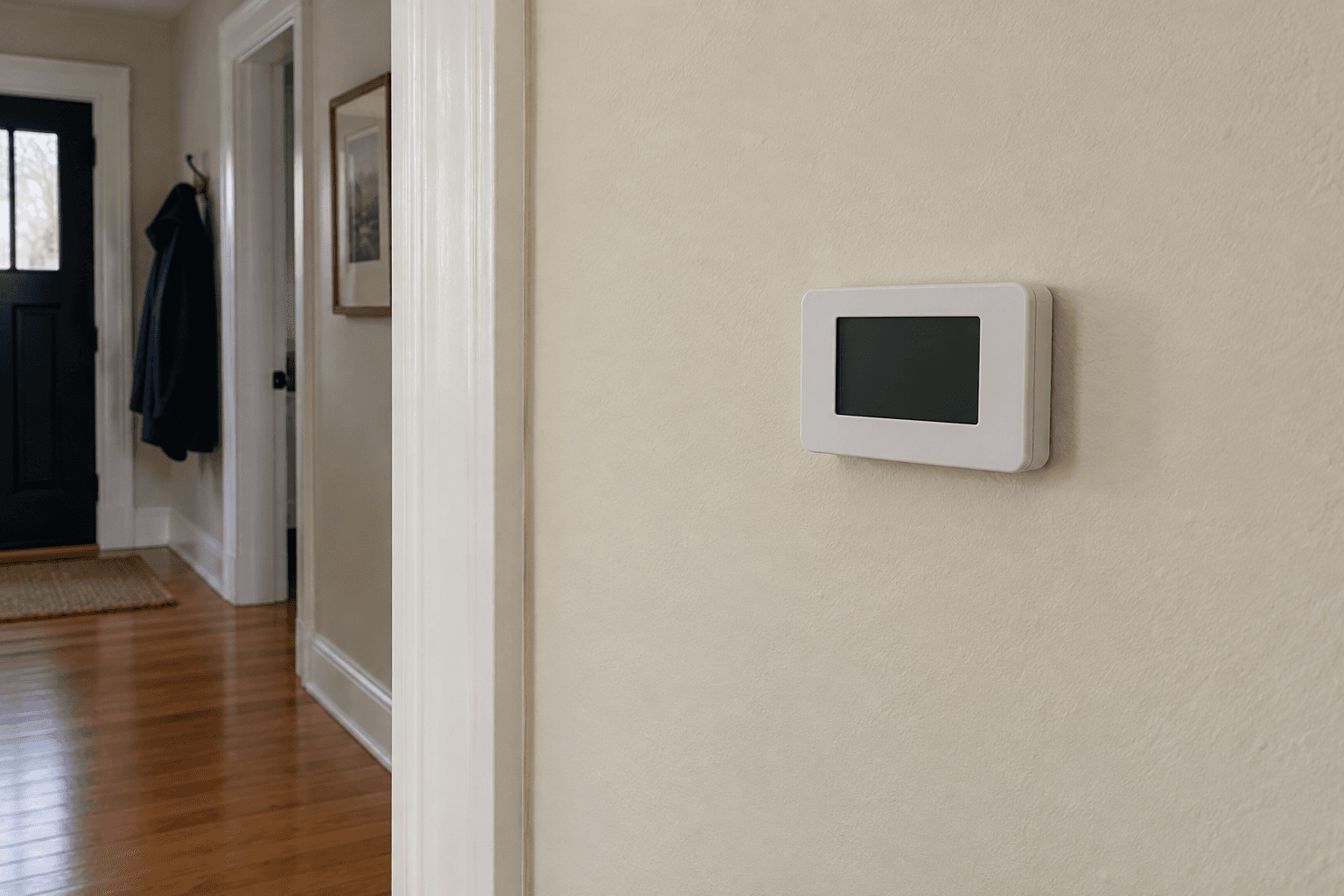
Use the manual for both the ventilation unit and its wall control. Identify the normal ventilation mode, temporary boost and any humidity-triggered or seasonal functions. A humidity setting may call for more ventilation; it does not necessarily command a dehumidifier.
Venmar and vanEE describe controls ranging from basic speed or humidity settings to more automated options. Ask the installer which functions are configured in your home and how they interact with the cooling system.
If the display says recirculation, find out what that means for this model. Moving indoor air around and bringing outdoor air in are different operations. Similarly, a furnace fan running does not establish that the outdoor-air path is open.
Keep a short record before changing settings
- Indoor temperature and relative humidity, measured in a consistent location.
- Weather conditions and whether the windows were open.
- The ERV mode, boost events and air-conditioning operation.
- Recent showers, cooking, wet laundry or another clear moisture source.
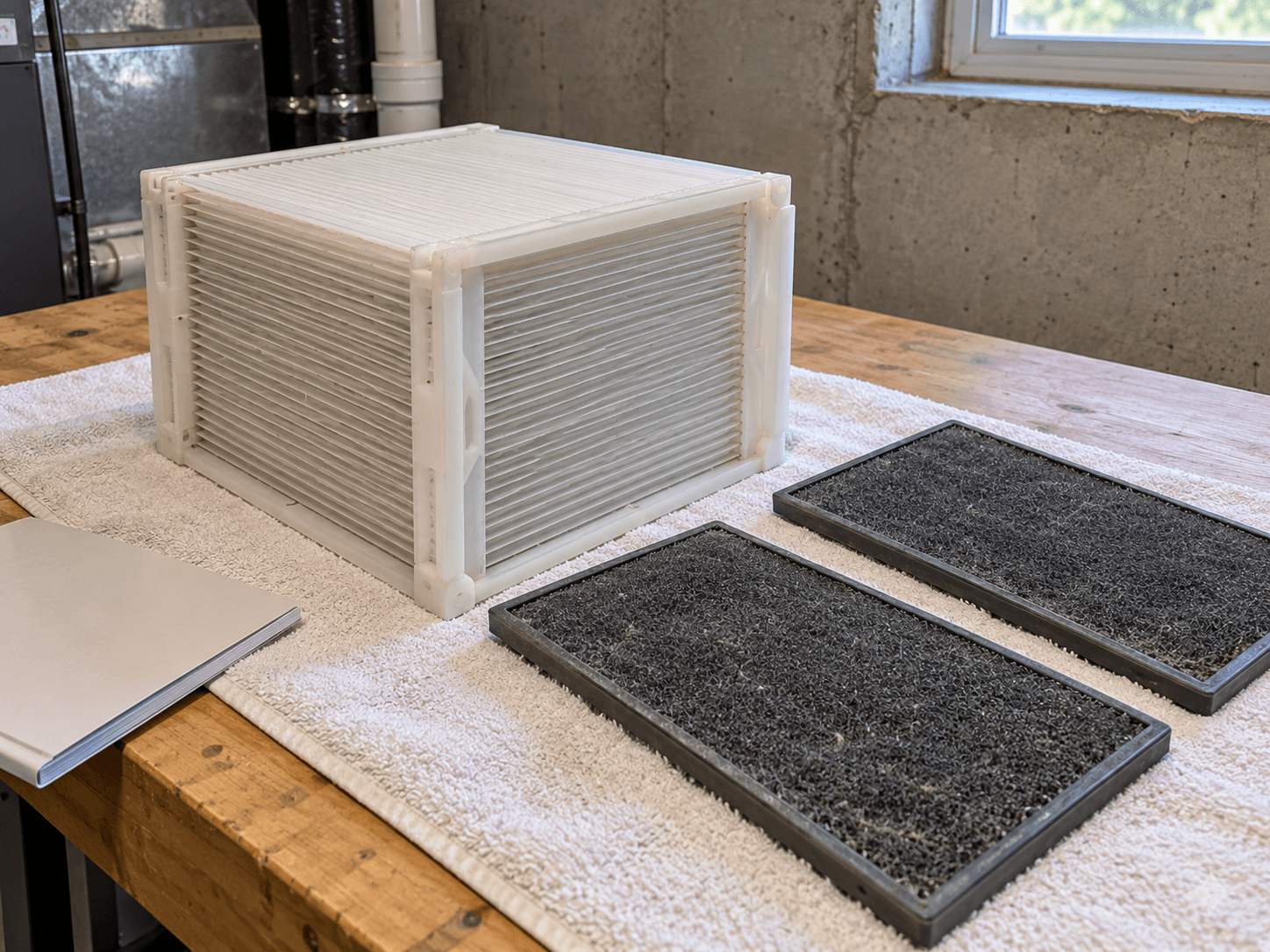
Compare a few ordinary days rather than treating one muggy afternoon as a verdict on the equipment. Check owner-accessible filters and outdoor openings according to the manual. Record any fault message or unexpected shutdown.
Bring a persistent pattern to the service provider and ask for the intended airflow and controls to be checked. The answer may involve more than the ERV, particularly if the cooling system is not managing the indoor moisture load.
During wildfire smoke or another outdoor-air advisory, follow the household's specific smoke plan and current public-health advice. Resume the normal ventilation arrangement when appropriate. A temporary pollution response should not quietly become the setting for the rest of the season.