Some gas fireplaces can operate during a power outage. Others need electrical power for an essential part of the system. Find out which one you have while the room is warm and the lights are on, rather than using the first cold evening as the test.
Start with the installed model
Source: Napoleon Canada: gas fireplace operation during power failure
Find the model number in the appliance records and read its outage instructions. A millivolt ignition system can operate differently from an electronic ignition system with a battery backup. A powered vent or another required electrical component can change the answer again.
Napoleon's support guidance describes millivolt operation and battery-backed electronic ignition, while noting that accessories such as blowers rely on house current. Treat that as a useful distinction to investigate, not a promise about every brand or installation.
Ask the service technician one direct question: 'Will this complete installation operate safely without mains power, and what must we do beforehand?' Write down the answer with the model number. A generic statement that gas is still available does not answer it.
A remote battery may not be the backup battery
Source: Napoleon: GDS28-1NEA operating instructions and battery backup
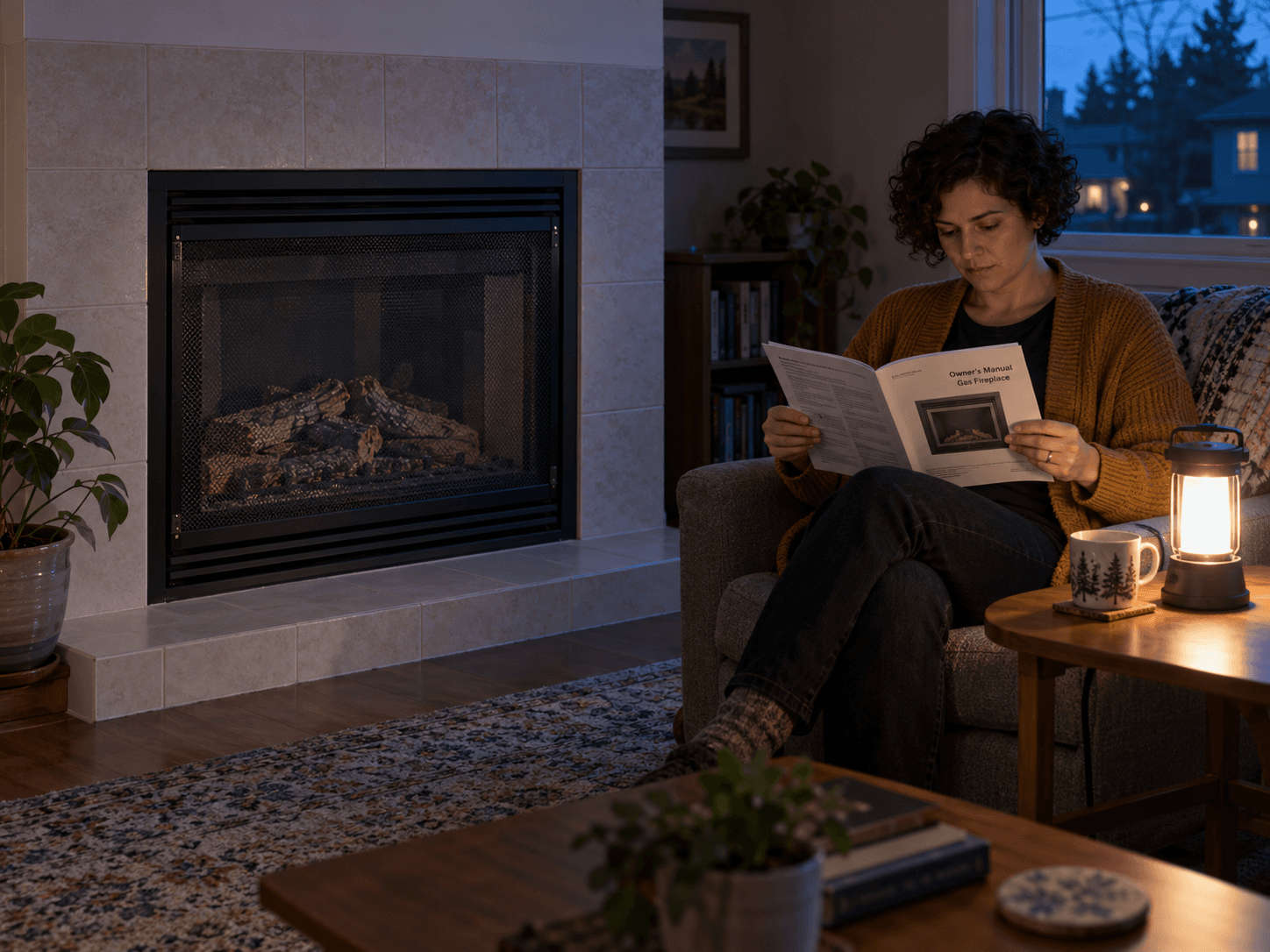
The handheld remote, receiver and ignition backup can have separate power needs. Know which compartment the owner instructions identify, what batteries it takes and when they should be installed or removed. Do not connect a homemade battery pack or improvise access to controls.
For example, Napoleon's GDS28-1NEA manual specifies a particular backup arrangement and requires its safety barrier during operation. The point of that example is the model-specific procedure. It is not a battery-size recommendation for the fireplace in your room.
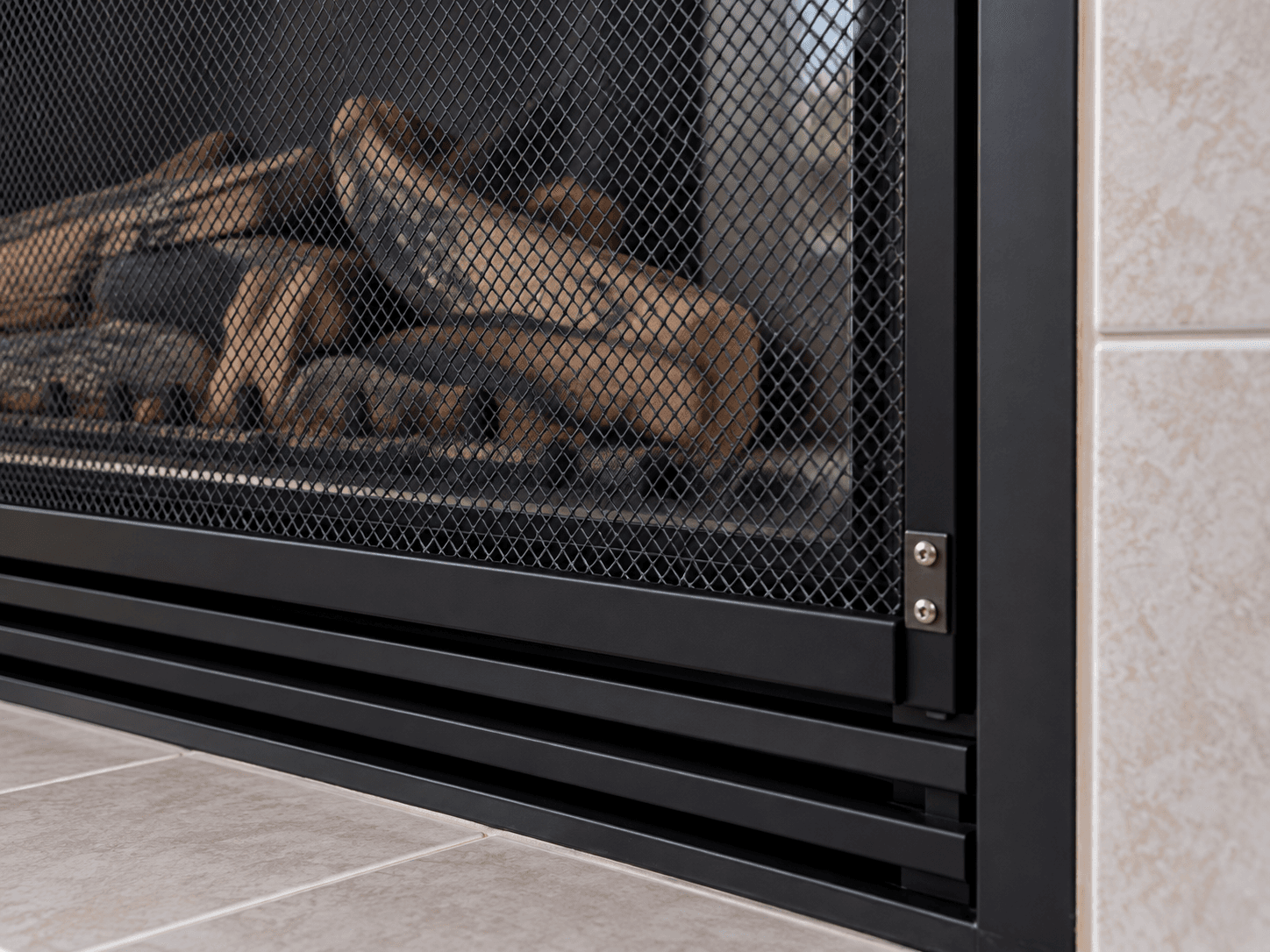
Have the technician demonstrate the approved procedure and identify what stops working without electricity. The burner may operate while the blower does not. That can change how heat reaches the room, and it does not establish that distant bedrooms or plumbing will stay warm.
Decide what you will rely on
Keep the manual accessible offline, along with the service contact and any approved spare batteries. Maintain the appliance and the smoke and carbon monoxide alarms required for your home. Follow the fireplace instructions for clearances, supervision and operation; an outage does not relax them.
If a CO alarm sounds, leave for fresh air and call emergency services from outside. If you smell gas, leave without operating electrical switches and contact the gas emergency service from a safe location. Do not keep trying to light the appliance.
Include a warm place to go if the house becomes unsafe or the fireplace cannot meet the household's needs. Confirming that one burner can run is useful. Planning for the people, rooms and duration of an outage is the next job.