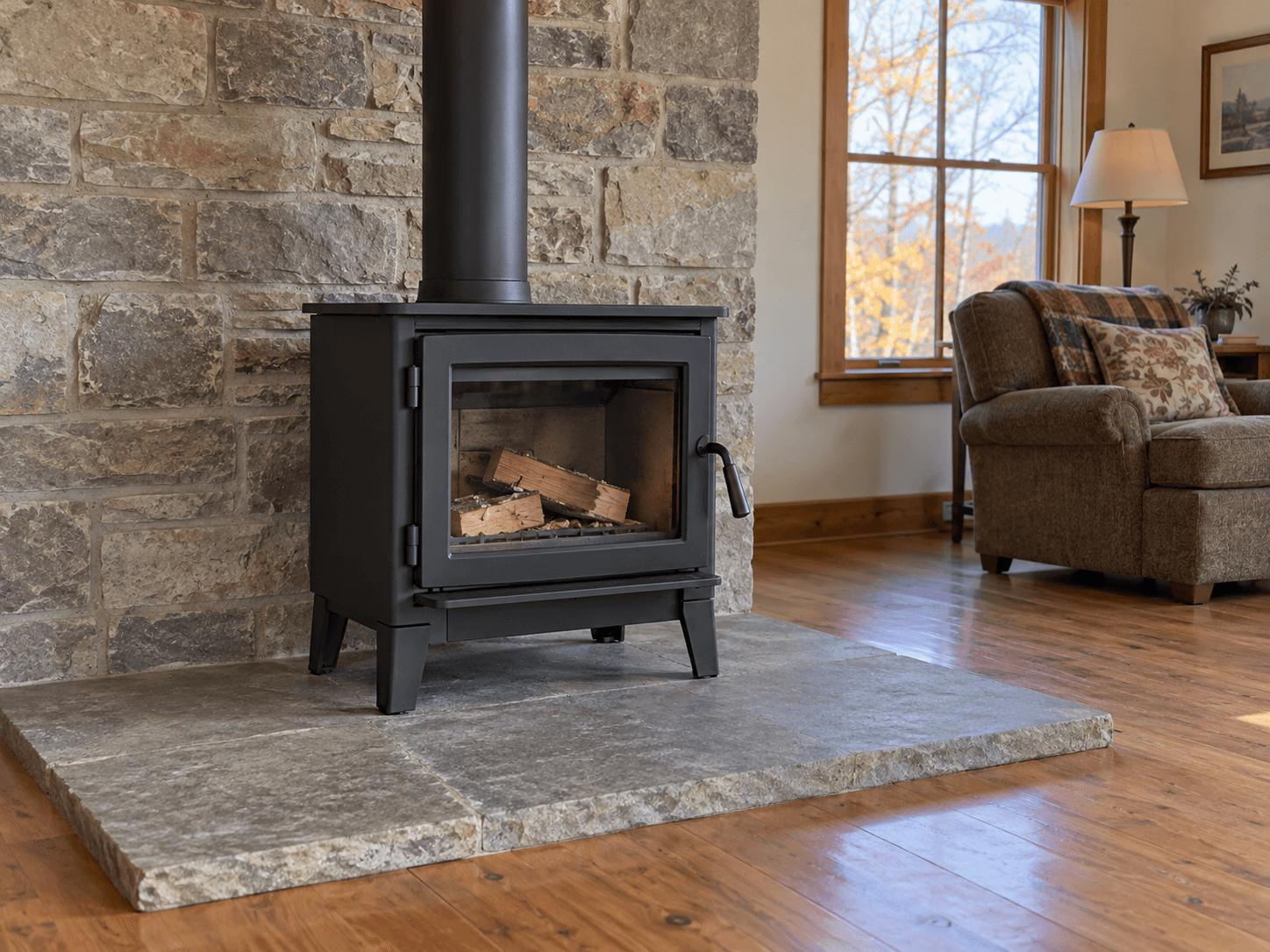
A wood stove can make a room inviting. Smoke entering that room is still something to investigate. Do not let a familiar smell become the reason a leaking seal, a venting problem or poor burning conditions go unexamined.
Treat the air separately from the atmosphere
Source: Health Canada: wood smoke and indoor air
Source: Health Canada: responding to a carbon monoxide alarm
Health Canada identifies fine particles, carbon monoxide and other harmful pollutants in wood smoke. Exposure can irritate the eyes and airways and worsen breathing problems. Children, older adults and people with heart or lung conditions are particularly vulnerable.
If a carbon monoxide alarm sounds, leave immediately for fresh air and call 911 or emergency services from outside. Do not stay indoors looking for the source. A lack of visible smoke does not establish that carbon monoxide is absent.
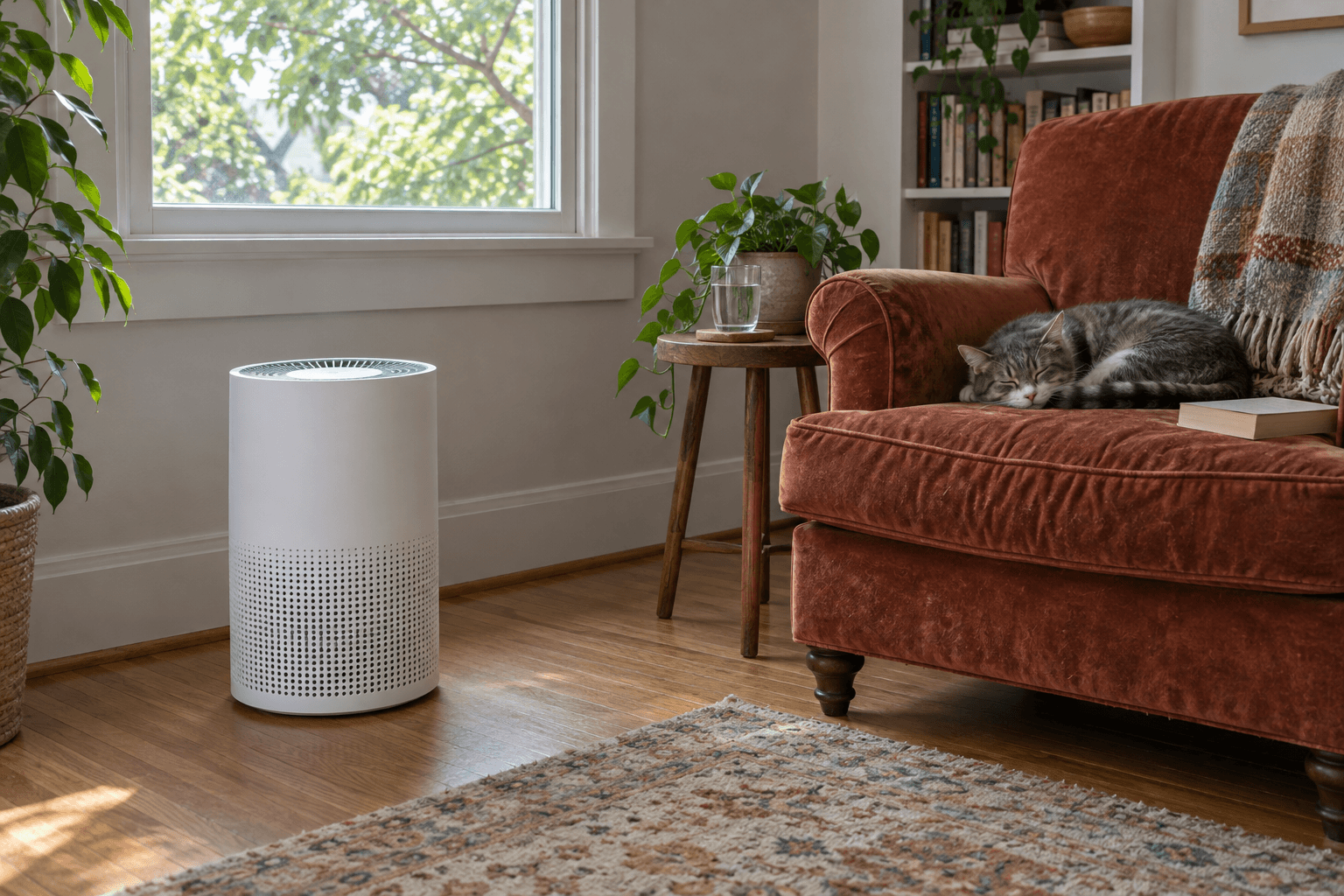
A room air cleaner may reduce some airborne particles when properly selected and used. It cannot make a malfunctioning combustion appliance safe or remove the need to stop smoke entering the house. A pleasant fragrance or a quieter alarm is not a repair.
Describe the event before naming the fault
Source: Natural Resources Canada: combustion spillage in the home
Does smoke appear when lighting, when the loading door opens, or while the door is closed? Is it linked to windy weather, a recent renovation or operation of a large exhaust fan? Tell the qualified stove or chimney professional what you observed. Do not deliberately recreate a smoky event for a better video.
NRCan explains that house pressure and combustion venting can interact. A powerful exhaust appliance can be relevant to a spillage assessment, but that does not make a window-opening routine a permanent fix. The appliance, chimney and house need to work together under the conditions in which they are actually used.
Make the ordinary routine easier to do well
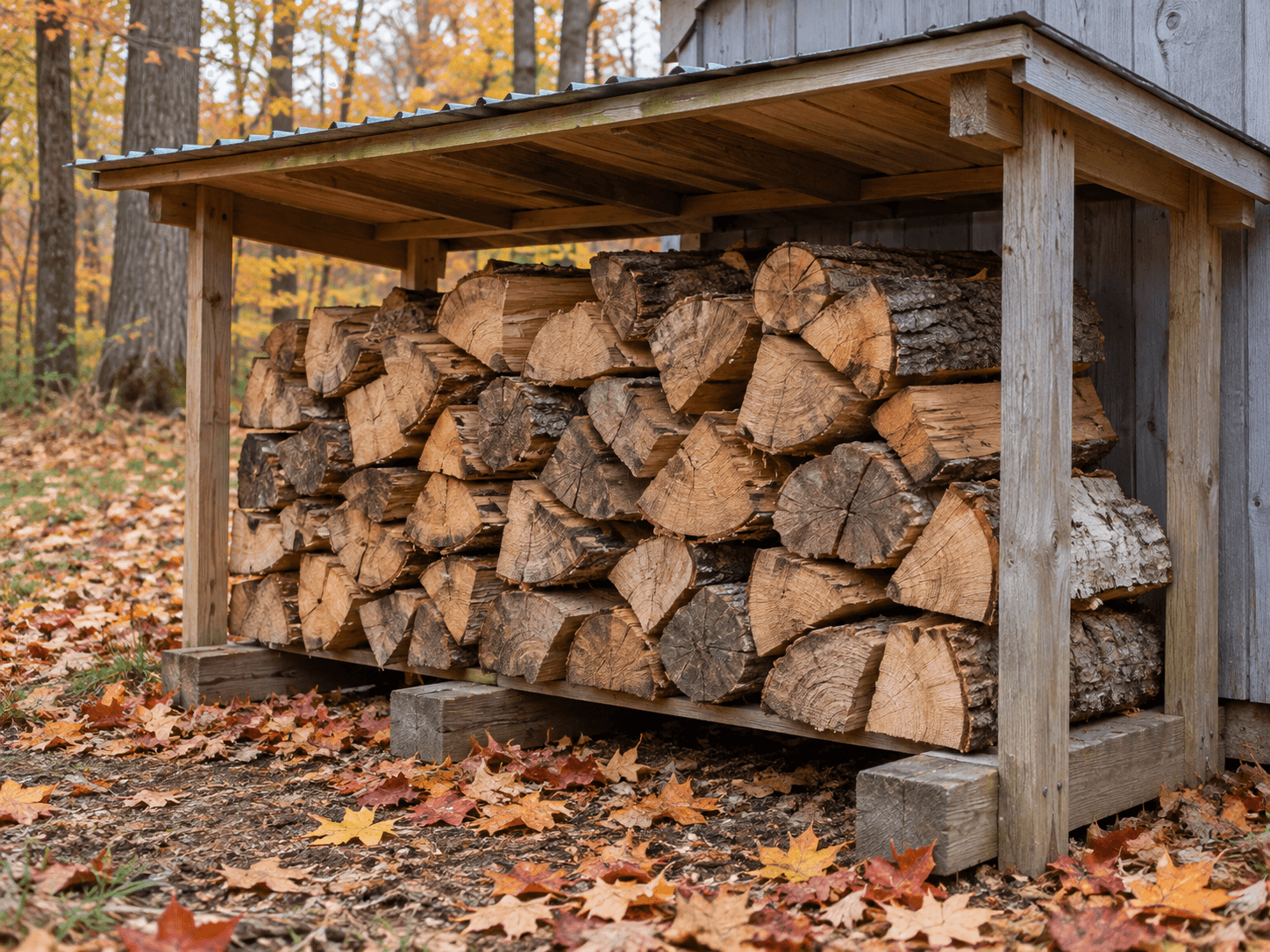
Use the dry, seasoned, untreated wood specified for the stove. Health Canada advises against burning garbage, painted or chemically treated wood, and glued wood products. Follow the appliance's operating instructions rather than experimenting with air settings to make a load last longer.
Arrange at least an annual inspection by a qualified professional, as Health Canada recommends, and have chimney cleaning carried out at the frequency the appliance and use require. Keep the service record and ask what change would warrant an earlier visit.
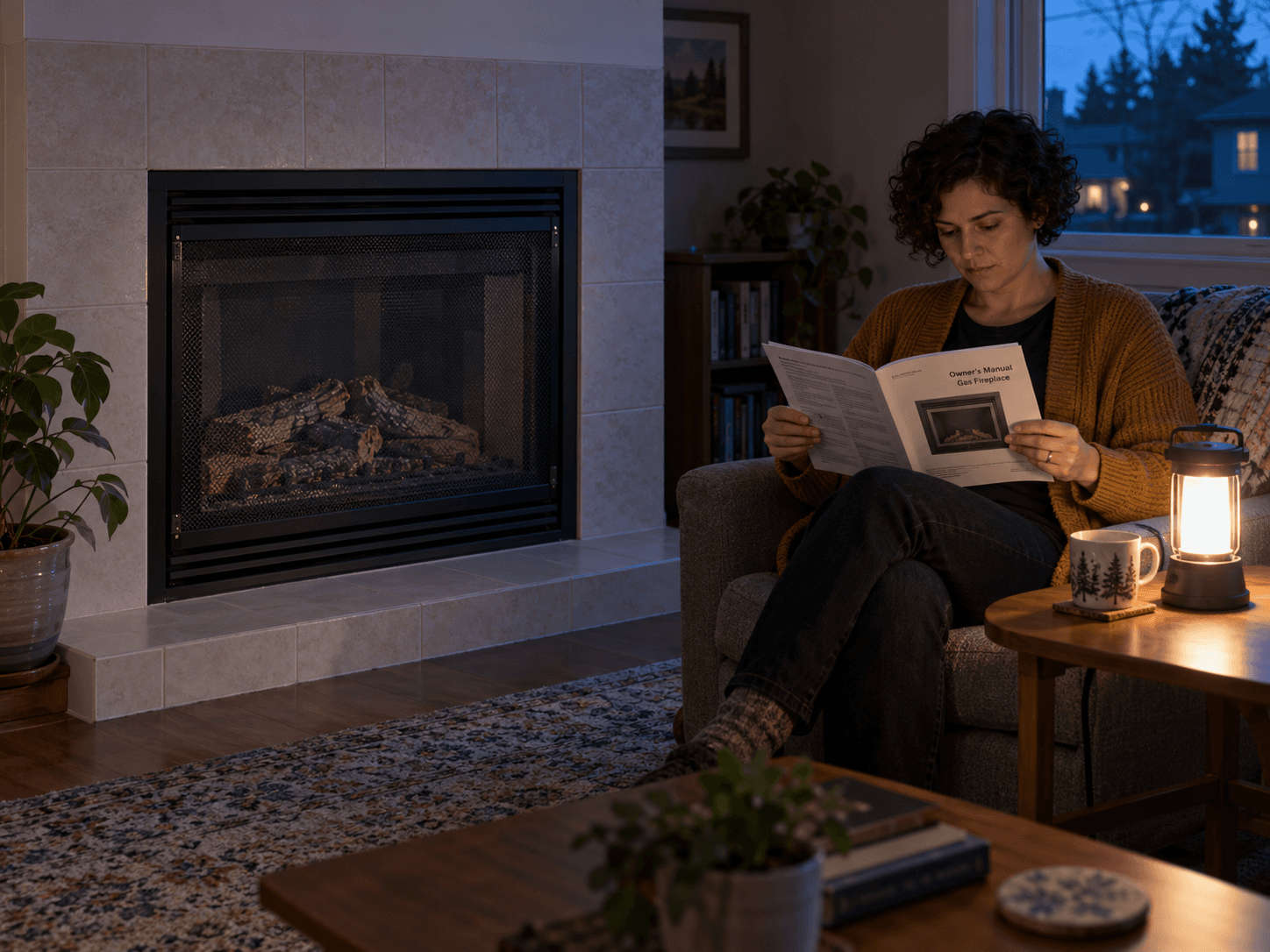
Before the season, check that the household knows where the instructions are, what fuel is suitable and whom to call about a change. If smoke repeatedly enters the room, stop using the stove until the cause is assessed. Comfort is a better reason to maintain a stove than learning to ignore what comes out of it.