I heard the heat pump before we started the film. When the credits finished, I could still hear it. Our old furnace had announced itself in shorter bursts, so I assumed the new system had forgotten how to stop.
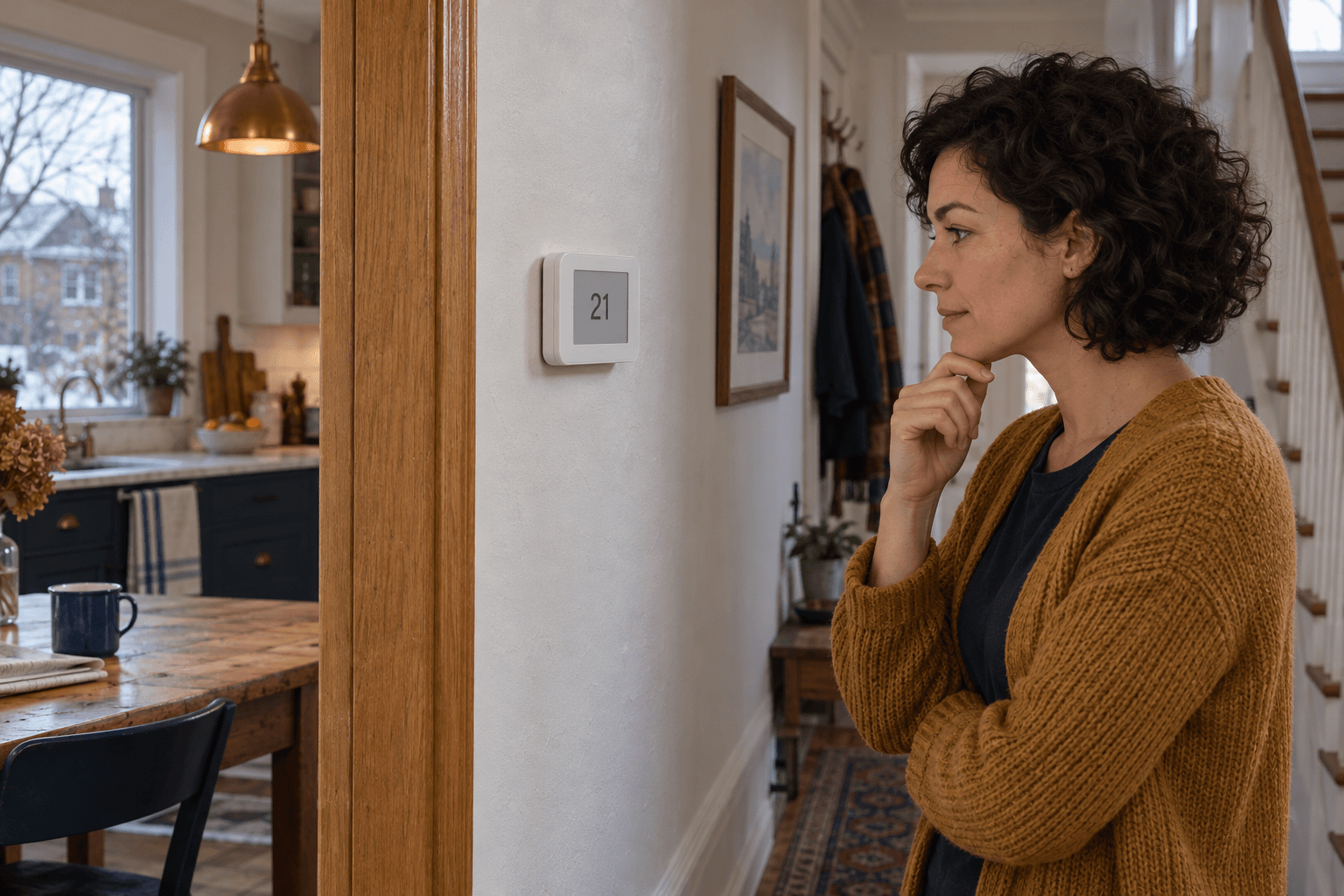
The living room was comfortable. The thermostat was near its setting. Outside, the temperature had fallen since dinner. Those facts were less dramatic than the runtime, but they belonged in the same conversation.
Some systems deliberately run at lower output
Variable-speed equipment can adjust its output rather than repeatedly switching between full power and off. Trane describes this continuous adjustment in its variable-speed system literature. A long, gentle run can therefore be consistent with normal operation for the right equipment and conditions.
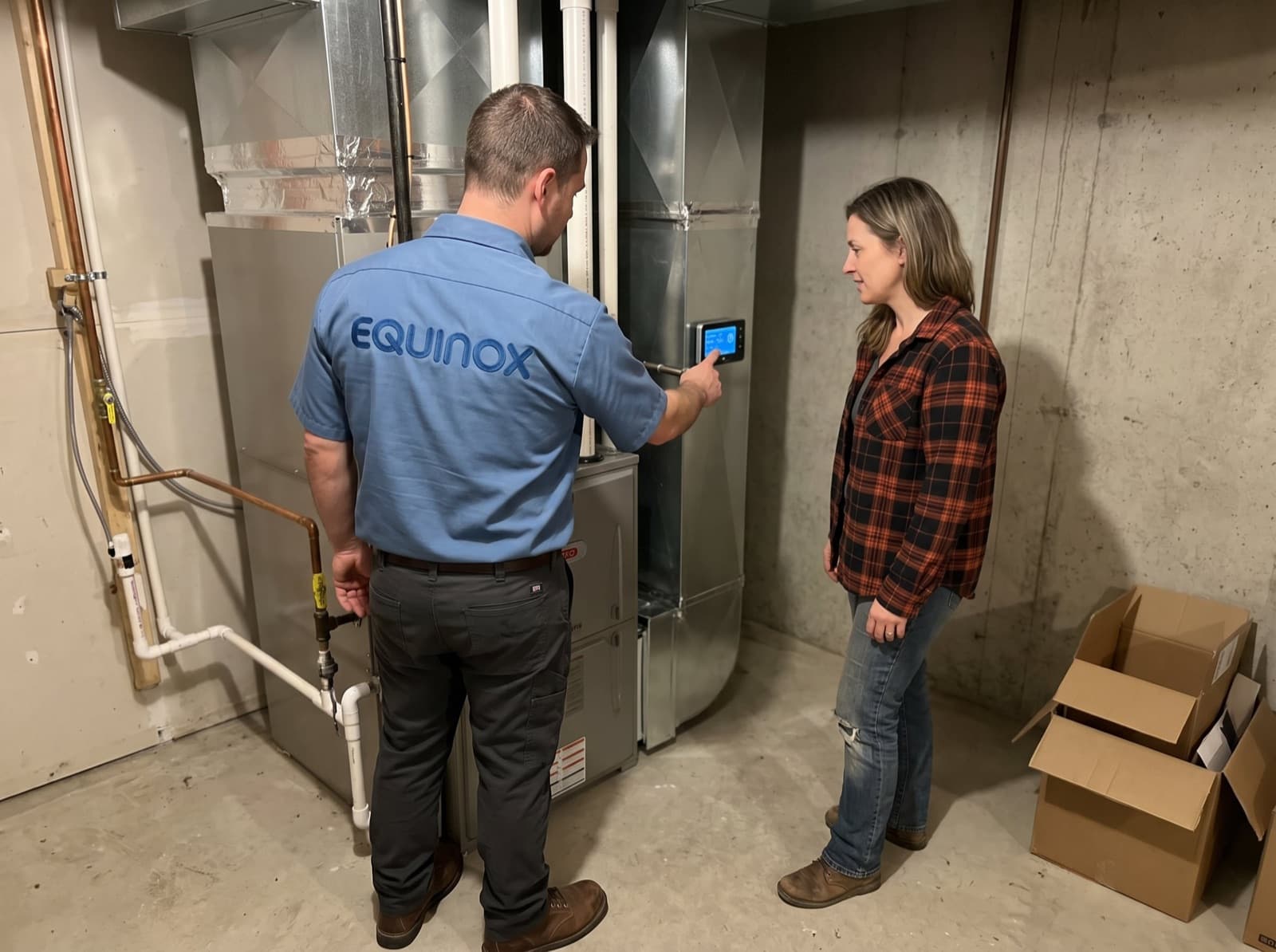
That does not mean every endlessly running heat pump is healthy. I checked which system we actually owned instead of assigning it features from a different brochure. Our handover notes explained the expected operating pattern.
Watch what the house and equipment are doing
Carrier's homeowner checks include the thermostat mode, filter condition, outdoor obstructions and unusual symptoms. A house losing temperature, persistent ice, weak airflow, new noise or an unexpected change in consumption deserves investigation. Repeatedly raising the setting does not answer those questions.
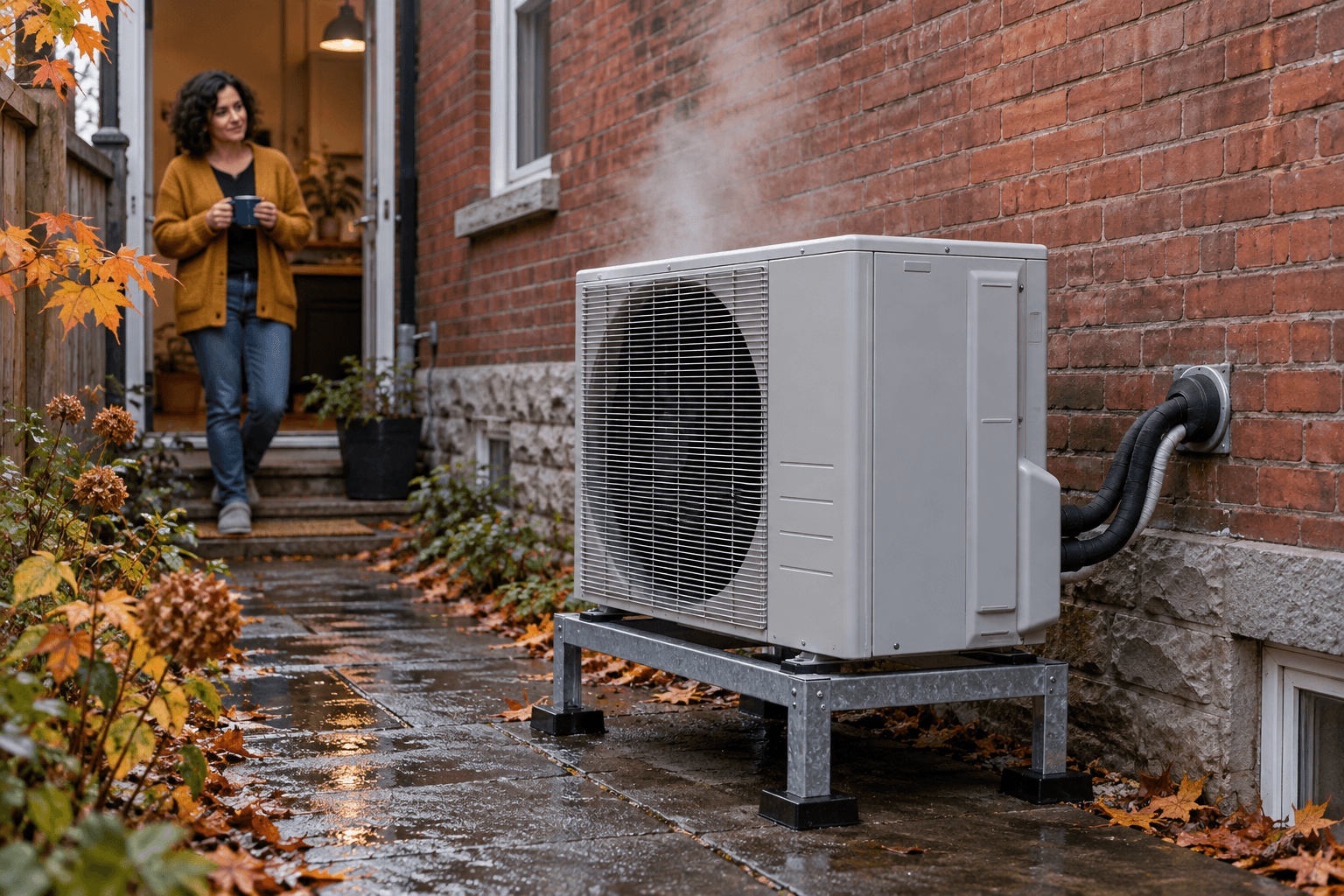
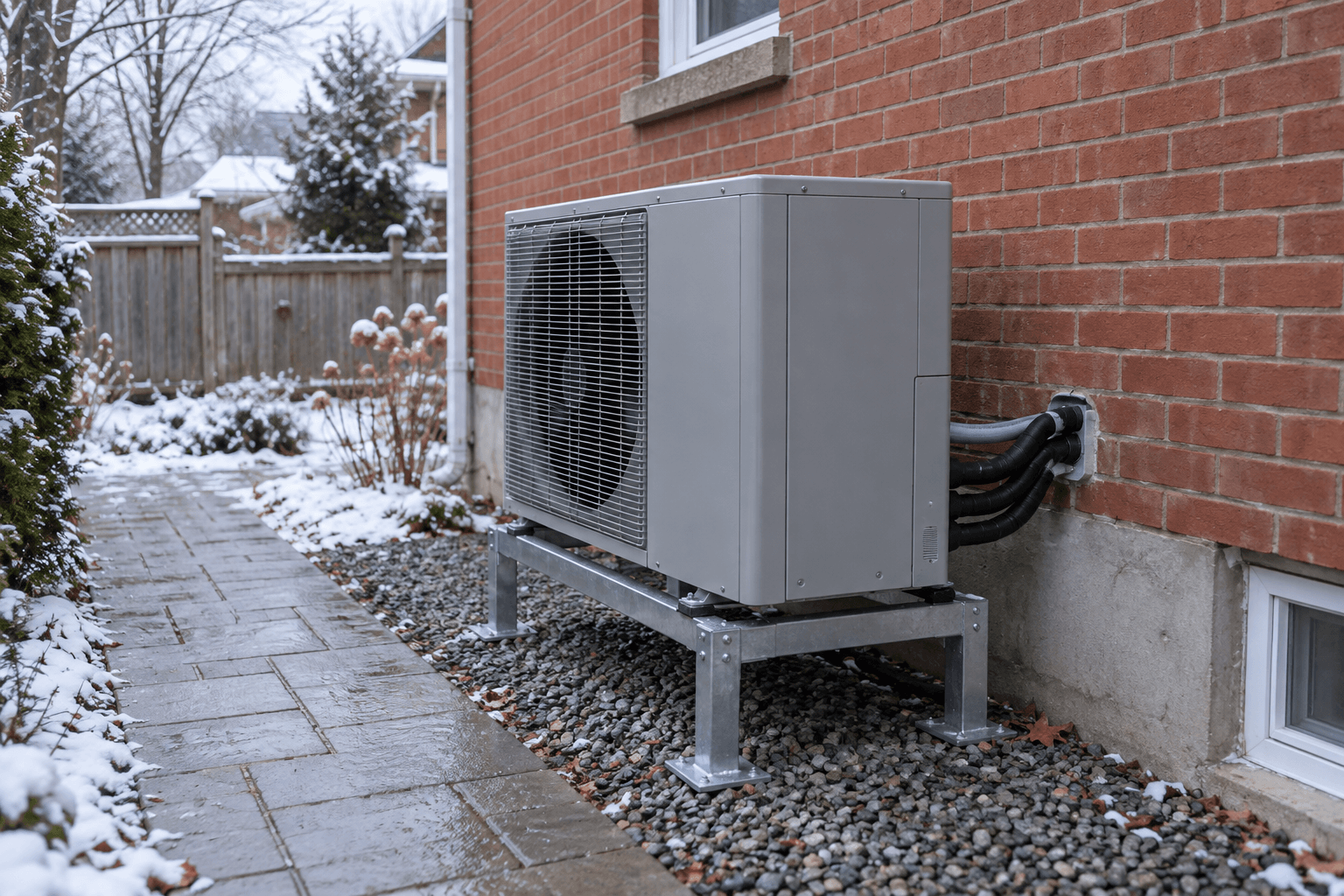
I made a short note of the weather and room temperature. I also checked from the path that nothing had blocked the outdoor unit. No panels came off, and no installer settings were changed.
By the following evening I was paying less attention to whether the machine had paused and more attention to whether the rooms were comfortable. I still noticed its sound during the quiet parts of the film. I just stopped treating the credits as a deadline for it to finish heating.