
Two proposals described almost the same job. Each would bring outdoor air into the house and exhaust indoor air. One specified an HRV; the other an ERV. I initially assumed the extra letter meant a newer version of the same machine.
The distinction was more useful than that, especially in a house where the upstairs felt dry in February and the basement felt damp in August. I wanted someone to explain the choice using those conditions.
What each unit transfers
Both systems recover some heat between outgoing and incoming air streams. An energy recovery ventilator also transfers some moisture. That transfer can help retain moisture during dry winter conditions and reduce the moisture entering with humid summer air.
It does not mean an ERV automatically maintains a chosen indoor humidity. Neither label promises that the unit replaces air conditioning or a dehumidifier. The house still produces moisture, and the weather still changes.
Questions that made the proposals comparable
Natural Resources Canada's operating guidance links the choice to climate, indoor moisture loads and the home's cooling needs. Proper installation, airflow balancing and commissioning also matter. I asked both contractors to explain their selection on that basis.
- What is our ventilation requirement, and how was it established?
- How will this unit connect to our existing air distribution?
- What will the controls do in winter and summer?
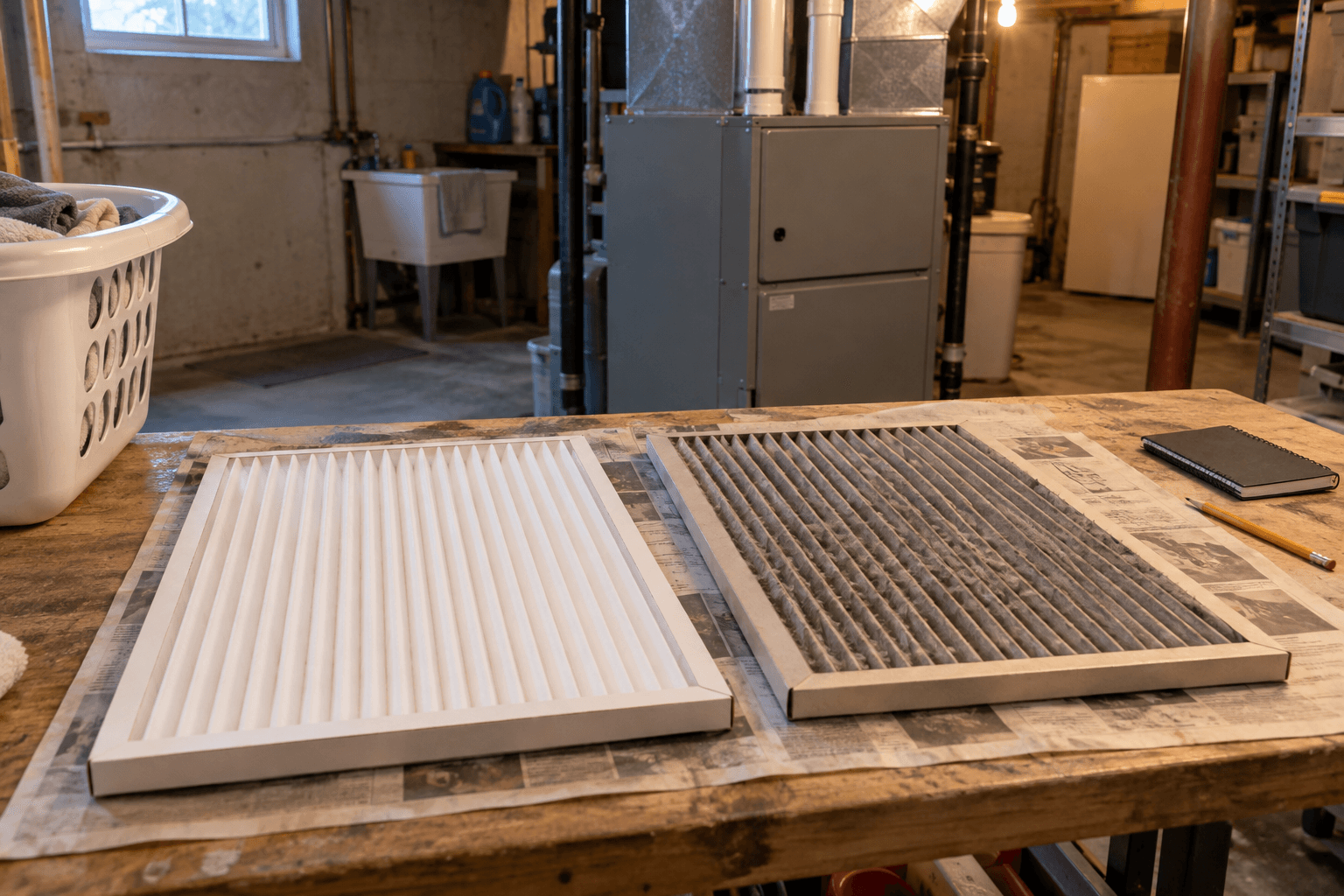
- Where will filters and the core be accessed for maintenance?
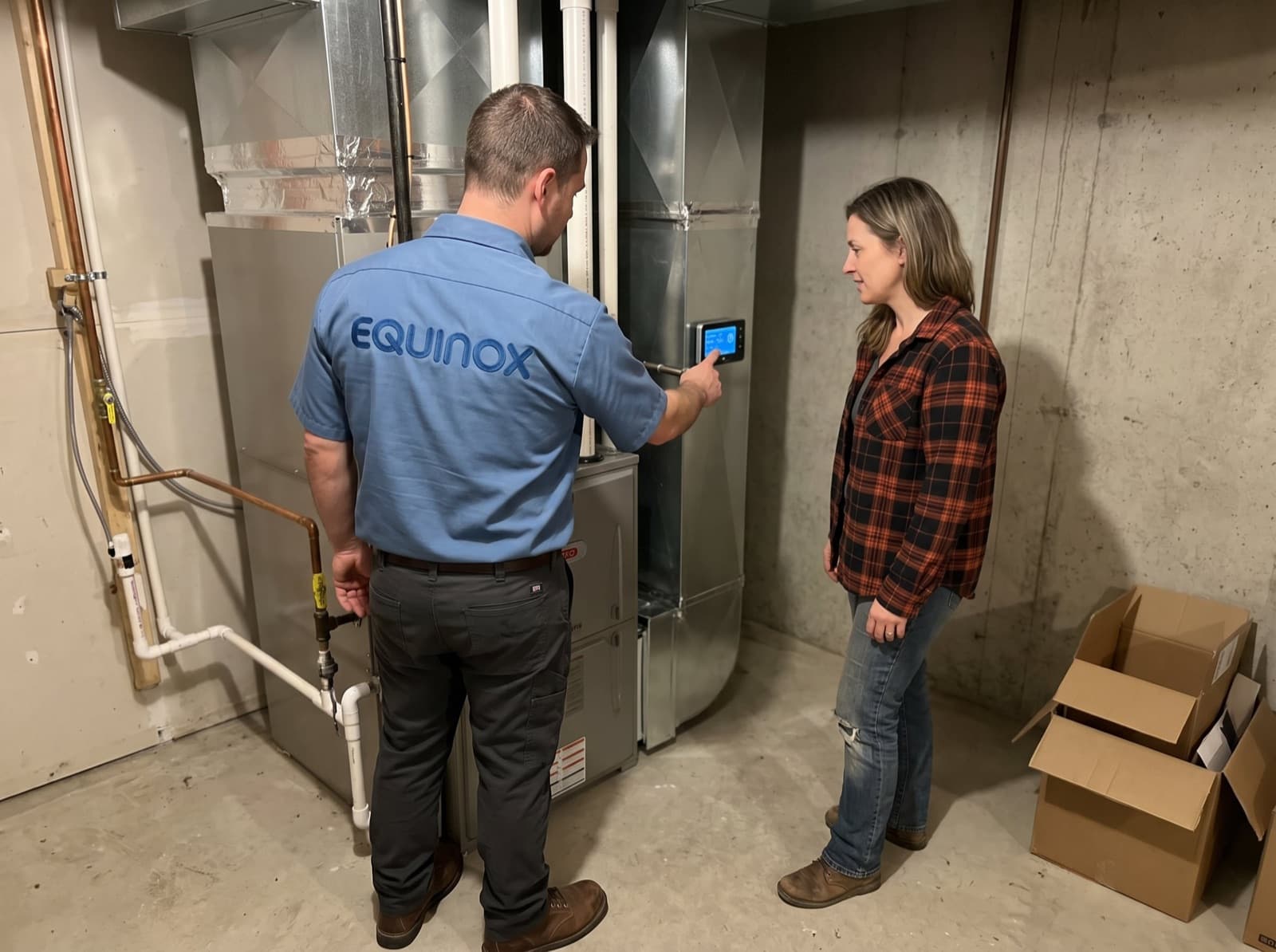
I also asked who would measure and document the final supply and exhaust flows. A neat box on the wall would not answer that question.
The proposals became easier to compare once we stopped treating the acronym as the decision. The useful answer described our house, the intended operation and the checks included after installation.