A maintenance agreement is easier to compare when it describes the work, not just the number of visits. A furnace, heat pump, air conditioner and ventilation unit may each have different care requirements.
List the equipment in your home before requesting a plan. Ask which items are covered and whether accessories or additional indoor units are included.
Compare the checks with the equipment
ENERGY STAR's maintenance checklist includes controls, airflow, drainage and equipment-specific checks. The manufacturer's requirements and the actual system determine what is appropriate for your visit.
Ask for the contractor's scope and the report you will receive. It should distinguish inspection, cleaning, measurement and any separately quoted repair. A vague promise of a tune-up leaves too much room for different expectations.
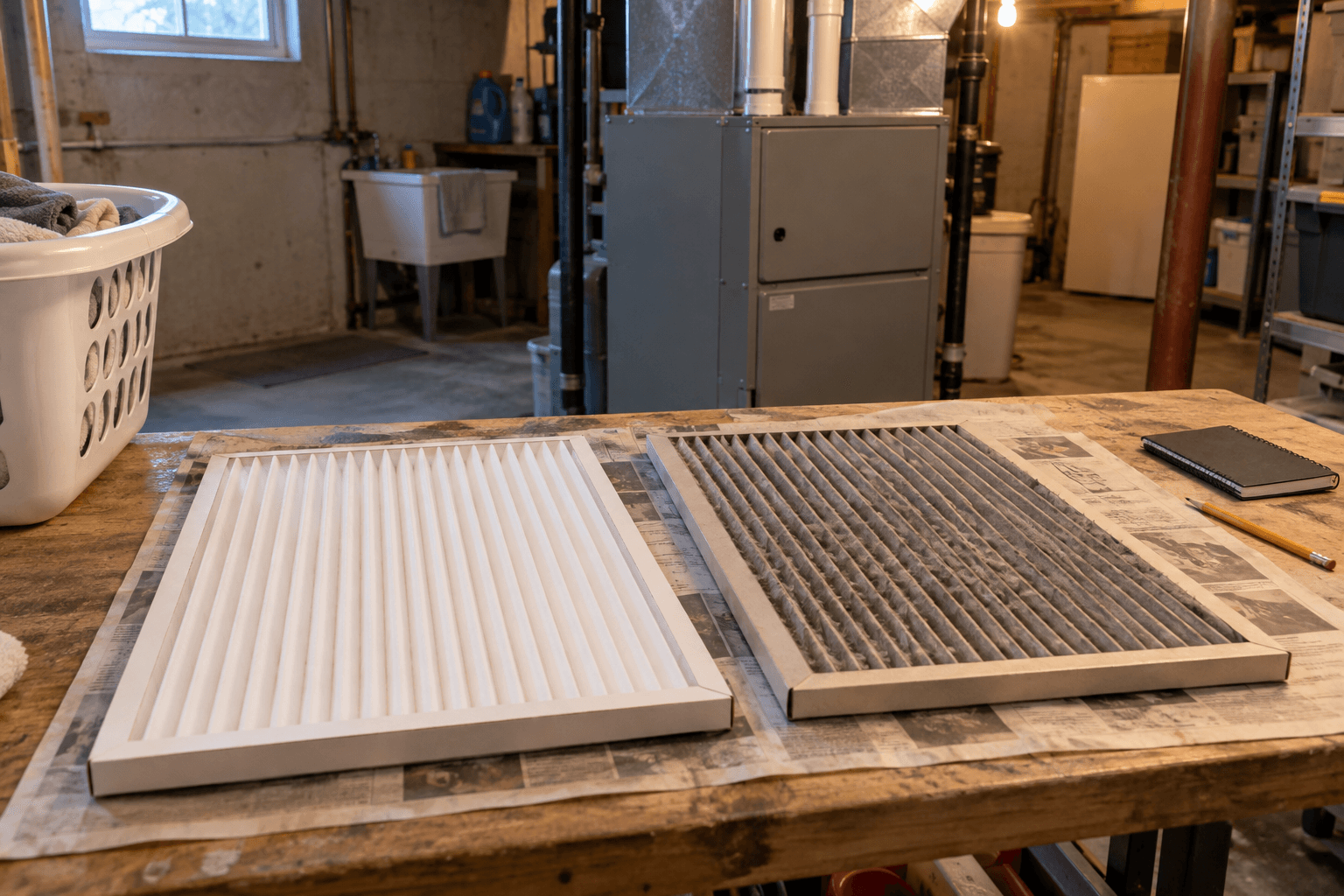
Also confirm which routine owner tasks remain between visits, such as inspecting an accessible filter according to the equipment instructions.
Read the practical details
- How and when appointments are booked.
- Whether missed visits carry forward.
- What priority service means in practice.
- Whether diagnosis, after-hours calls, parts or labour cost extra.
- How renewal, cancellation and price changes work.
Compare any repair discounts with the actual terms rather than treating them as complete repair coverage. A maintenance agreement does not necessarily replace a warranty or guarantee that equipment cannot fail.
If a particular manufacturer's maintenance record is needed, ask whether the visit documentation will provide it. Keep each report with the equipment's model and serial numbers.
Choose a plan that makes upkeep easier for your household and gives you useful records of condition. The benefit is a clear routine and a known service relationship, with the included work and the remaining costs understood before a problem occurs.