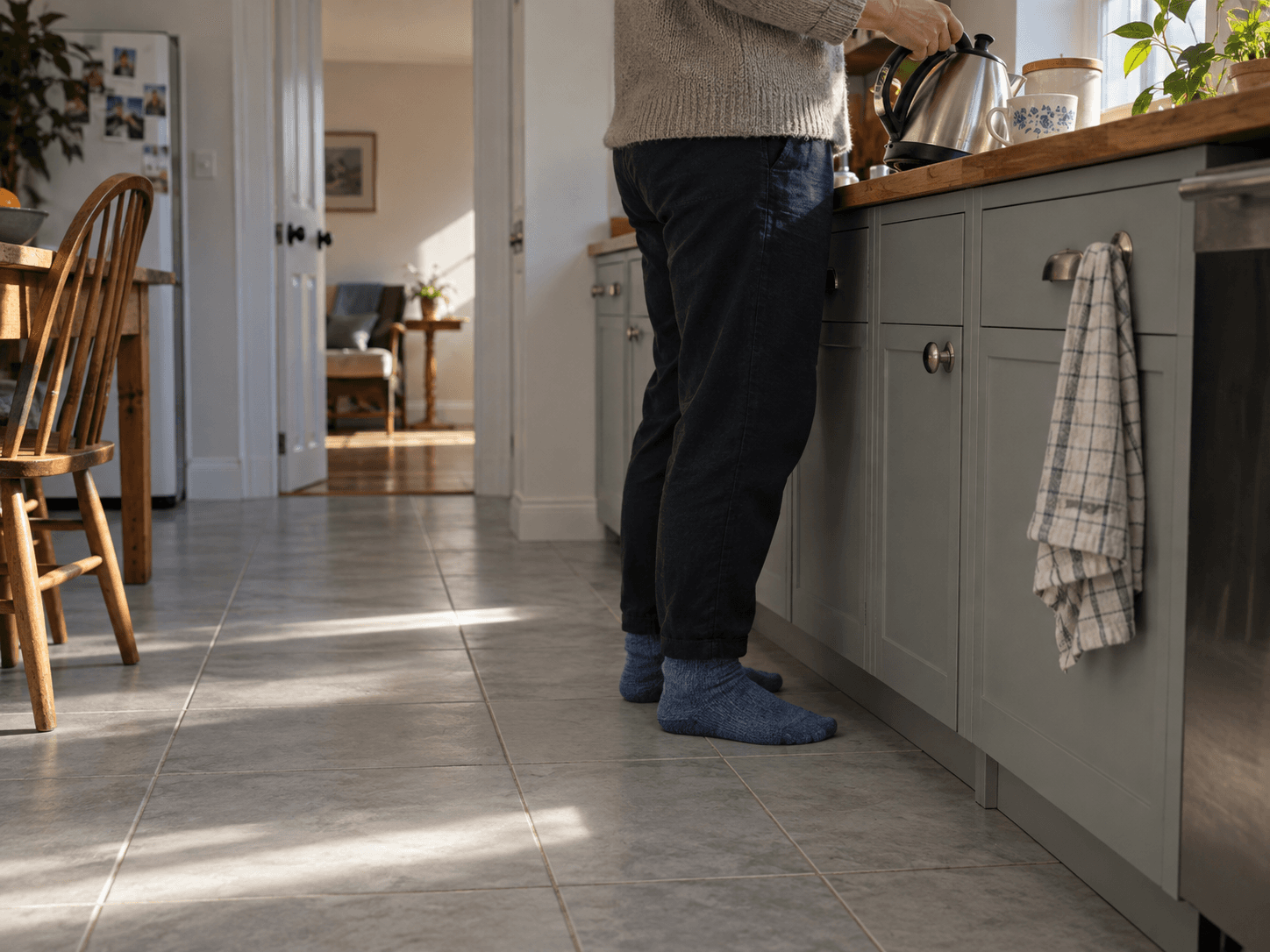
You set the kitchen to warm up at seven. At seven-fifteen, the kettle has finished and your feet are still voting for slippers. A heated slab can need much longer than a room-air system to respond, especially after a substantial setback.
The floor itself has to warm
In a high-mass radiant floor, heat first changes the temperature of a substantial amount of material. That stored heat then continues moving into the room, including after the heating call ends. A thick concrete slab behaves differently from a thin electric mat close to a tile surface.
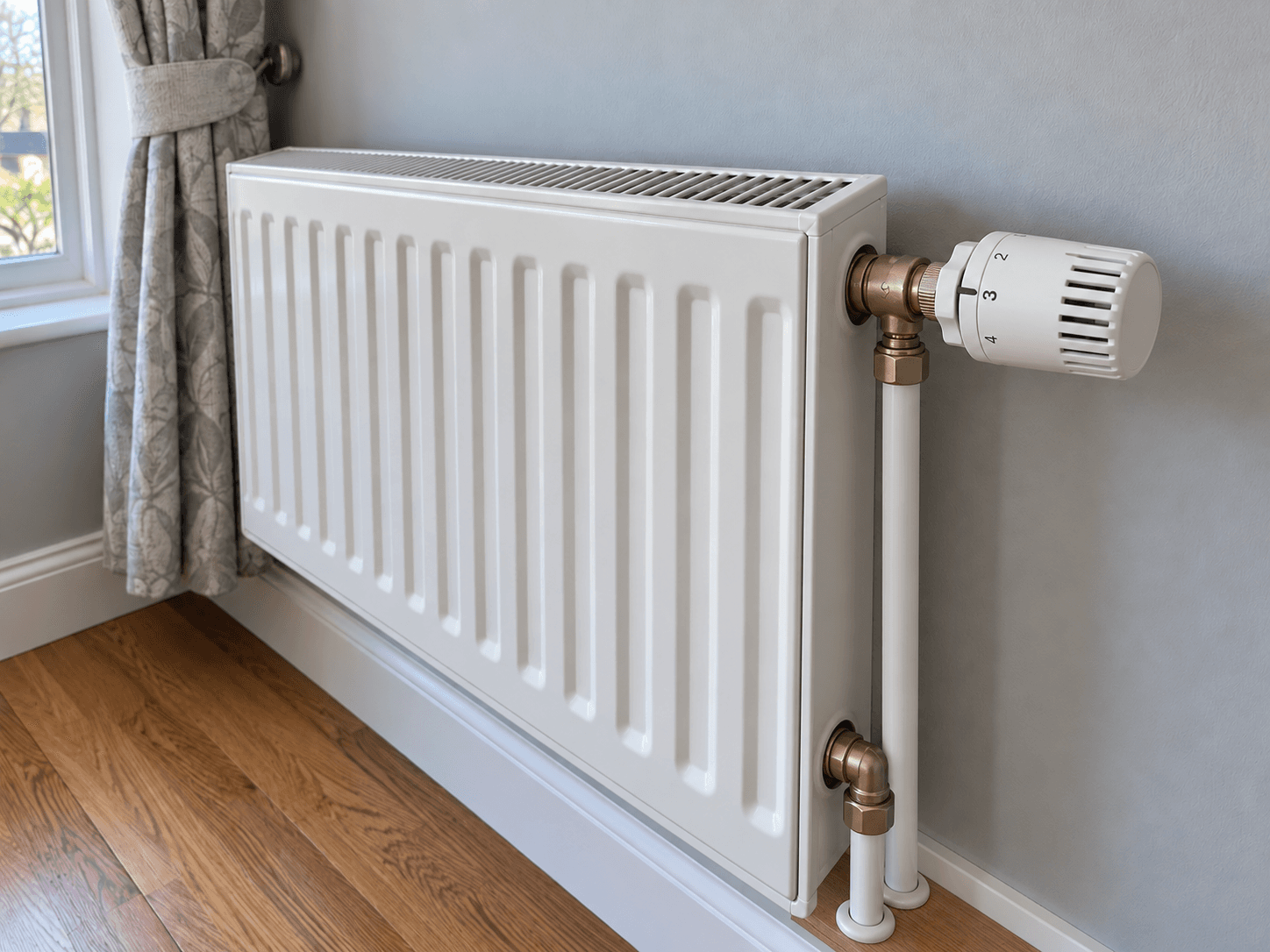
That difference matters more than the word 'radiant' on the sales sheet. Find out whether the room has electric floor warming, hydronic tubing in a slab, or another assembly. Ask what response time is reasonable for that specific construction. A universal promise of warm tiles in twenty minutes is not useful.
Turning the requested temperature far above the temperature you want does not remove the floor's thermal mass. It can simply leave the system asking for heat longer. Repeatedly raising and lowering it also makes it harder to learn how the room behaves.
Check what the thermostat is controlling
Source: tekmar 561: air and floor sensing, sequence of operation
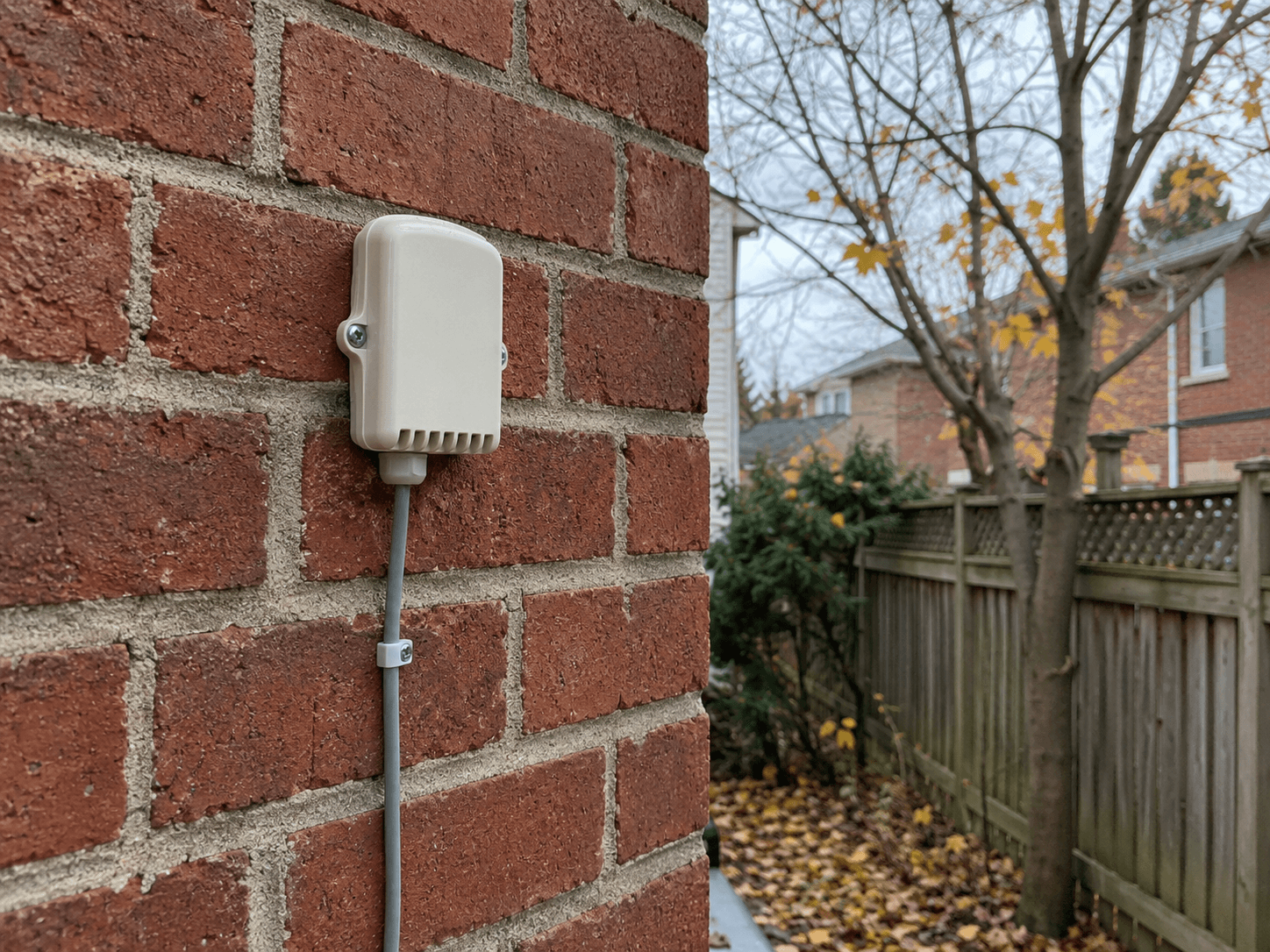
Some floor controls use room air temperature, some use a sensor in the floor, and some combine the two with limits. The number on the screen may be the current air temperature, the floor reading or a target. The owner manual should tell you which.
Floor temperature limits protect the installed finish and help control comfort. Keep the approved limits for that floor assembly. Do not raise a limit because the room is cold or copy a setting from a different room with a different finish.
Make one schedule change at a time
For a slow slab, a modest change or a steadier setting may suit daily use better than a deep overnight setback. That is a comfort strategy to discuss with the installer, not a promise that holding one temperature always costs less.
- Start with the schedule recommended for the actual floor and controller.
- Record when heating is requested and when the occupied room becomes comfortable.
- Try one small timing or target change, then allow the system to settle before judging it.
- Keep weather and occupancy in the notes; a sunny afternoon and a dark cold morning are poor comparison partners.
If the room never reaches its normal target, a warning appears, a zone stays cold or performance changes suddenly, ask for service. A slow system and a failed system are different problems. Do not remove electrical covers or adjust manifold valves to make the floor hurry.
Once the routine works, save it. The best morning schedule is the one you no longer have to stand over while the tea goes cold.