I expected the radon test to be something we put in the basement for a weekend. The instructions required a much longer stay. That changed where I placed it: a shelf we use every day was a better reminder than a corner behind the holiday decorations.
I also put the end date in the calendar. A device forgotten in a cupboard after testing would not produce a useful report.
Measure where people normally spend time
Health Canada's current home-measurement guidance calls for a long-term test of at least 91 days during the heating season. The test belongs on the lowest level normally occupied for more than four hours a day, following the detailed placement instructions.
Radon varies over time. A brief reading is not equivalent to that long-term assessment, and a neighbour's result cannot establish the level in your home.
We chose a suitable test provider, read the return and analysis instructions, and noted the placement date. During the test, we continued normal household routines rather than trying to engineer a reassuring result by changing ventilation.
Keep the result and act on it
I saved the laboratory instructions and the report together. If the result required action under Health Canada's guidance, the next conversation would be with a qualified radon professional about mitigation and follow-up measurement.
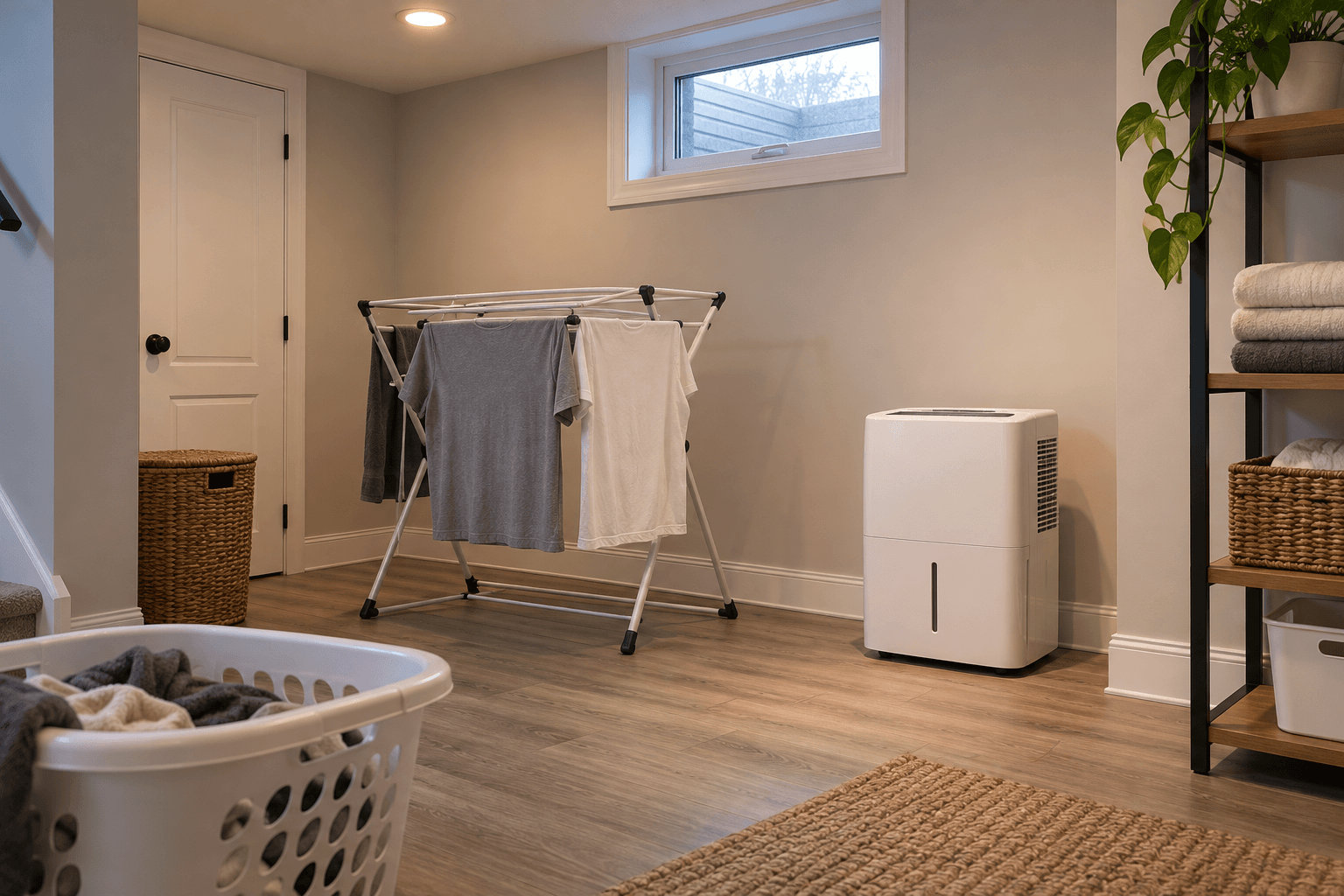
An air purifier, dehumidifier or ordinary carbon monoxide alarm does not replace a radon test. They address different things, even when all of them happen to sit in the basement.
We also recorded any unusual interruption during the measurement so the provider could advise whether it affected validity. If the device was moved or damaged, guessing was less useful than asking.
The test took little attention once it was correctly placed. Giving it the right duration and returning it for analysis were the two tasks I made sure did not disappear into the winter routine.