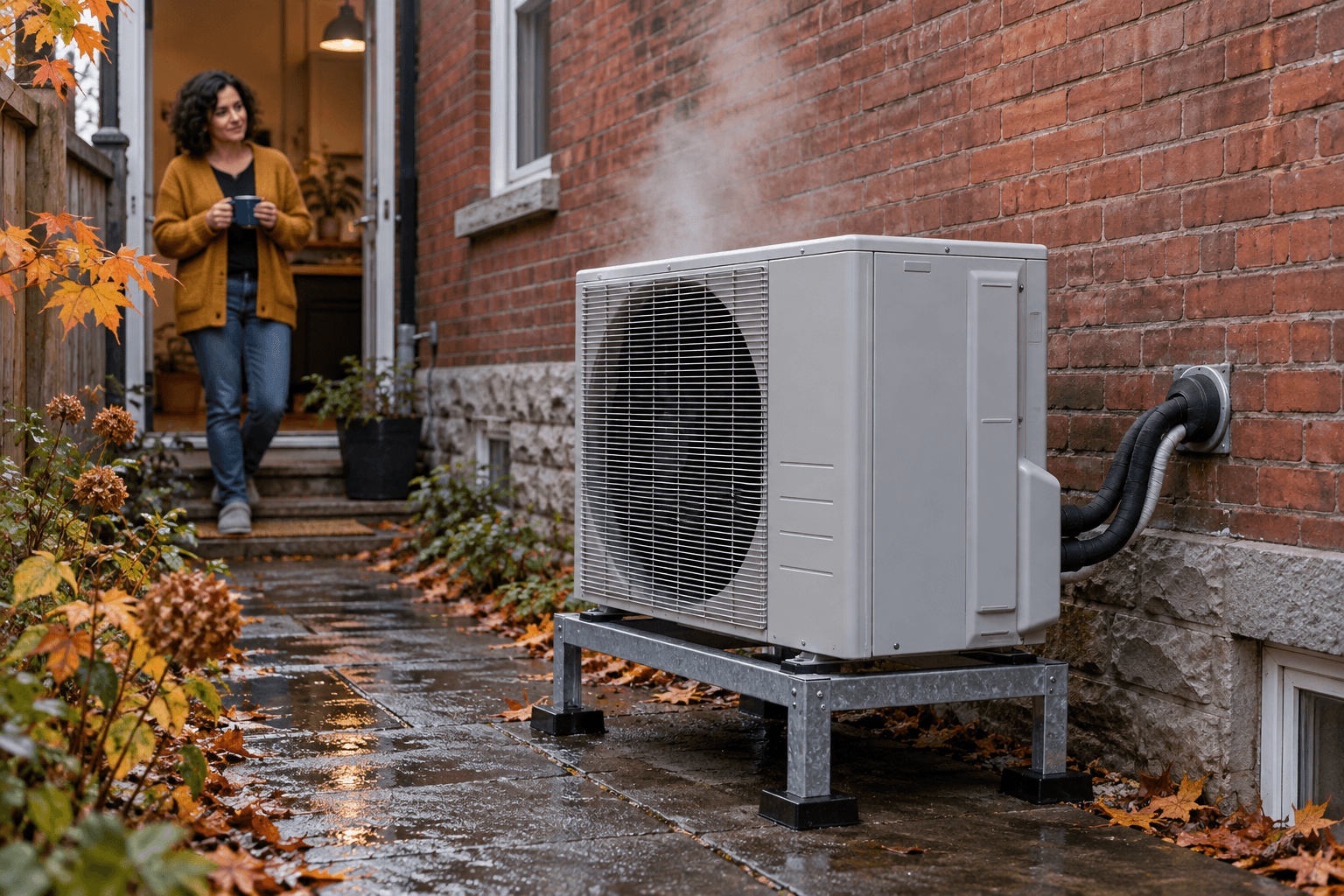
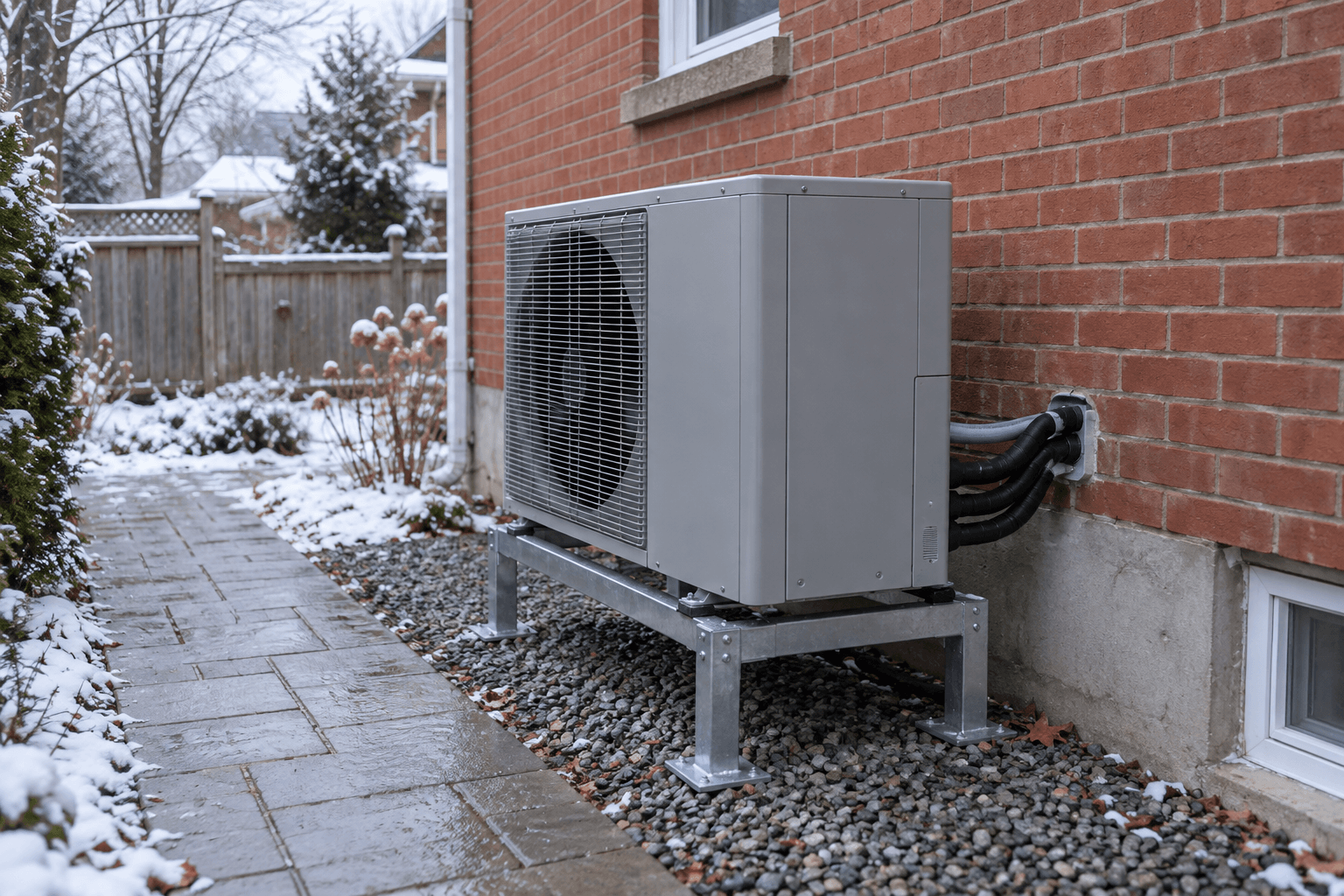
I could hear the outdoor unit change pitch while I was putting the recycling out. It settled, rose again, then became quieter. My old air conditioner had mostly offered two choices: loud or absent.
The installer had called the new system variable speed. I understood that phrase much better once I stopped expecting its sound to stay fixed.
Changing output can change the sound
Trane's description of variable-speed operation explains that the system adjusts output as demand changes. That can produce a different operating pattern from single-stage equipment. Outdoor conditions, indoor demand and defrost can also affect what a heat pump sounds like.
I looked at our own operating guide rather than treating another model's demonstration video as a sound specification. I wanted to know which changes were expected and which indications meant service was needed.
Record a change without approaching the fan
Carrier distinguishes ordinary changes such as a brief reversing-valve whoosh from loud or persistent unusual noise. A new grinding, striking or severe vibration is not something to dismiss because the compressor can vary its speed.
I took a short recording from the path when the sound changed and noted the weather and whether the house was holding temperature. If it became concerning, that record would help a technician. I didn't press on panels, add weights or try to stop vibration by wedging something against the unit.
The next time I took the bins out, I noticed the same gentle change without immediately planning a repair. Knowing the expected range made it easier to pay attention to a real departure from it. The recycling still made the loudest sound in the yard when I dropped a jar.