The previous smoke event had caught us comparing air cleaners while every delivery estimate moved further away. This time, I wanted the decisions made before the sky changed colour.
I began with a room we could actually use for several hours. It had seating, somewhere to work and a cooling plan. The smallest room was not automatically the most practical place for our household to gather.
Check what you already own
Source: Health Canada: preparing your home for wildfire smoke
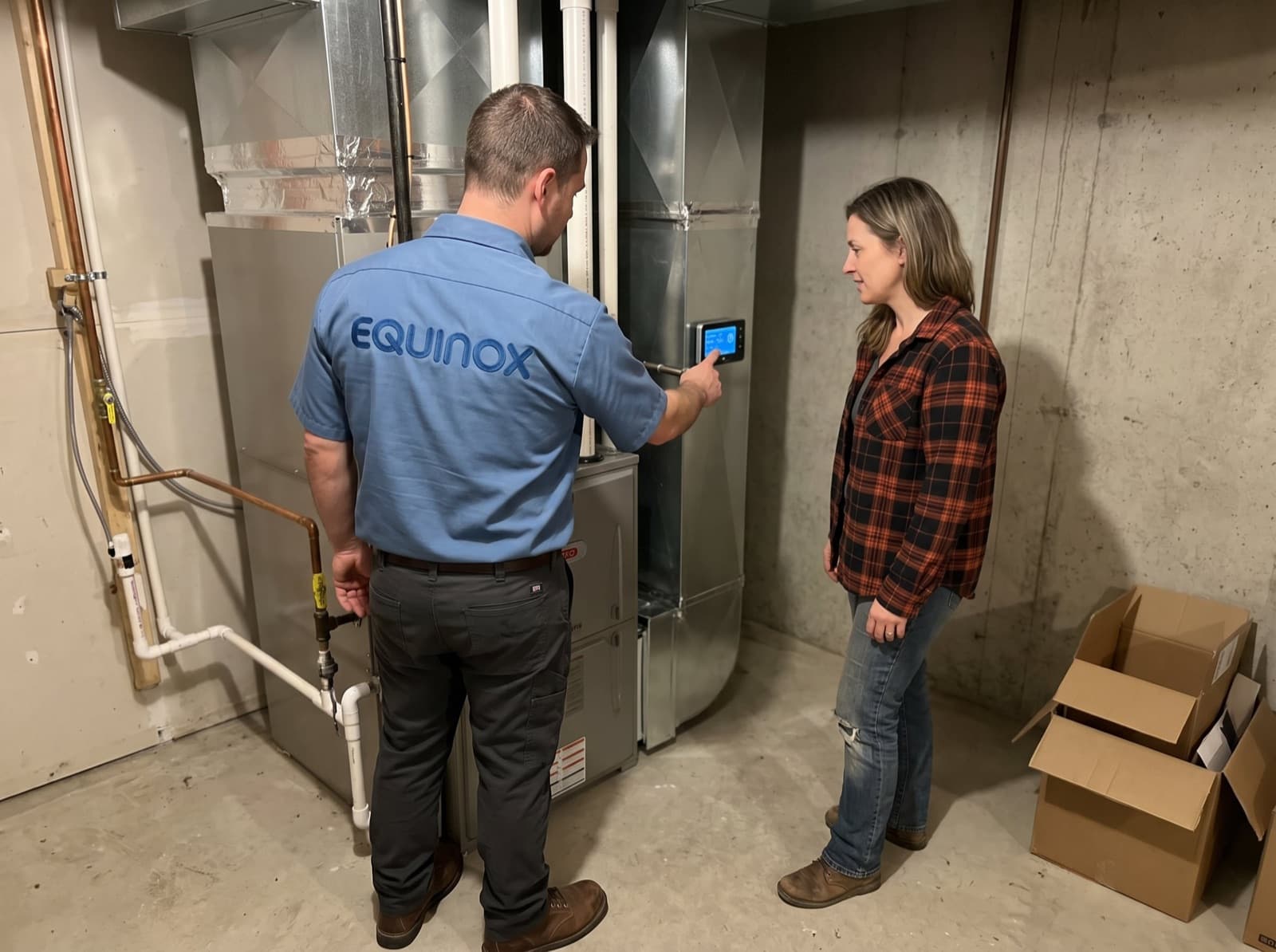
Health Canada's preparation guidance recommends checking ventilation and filtration arrangements and keeping suitable replacement filters available. We confirmed the filter specifications for the HVAC system and the portable cleaner rather than buying whatever looked similar.
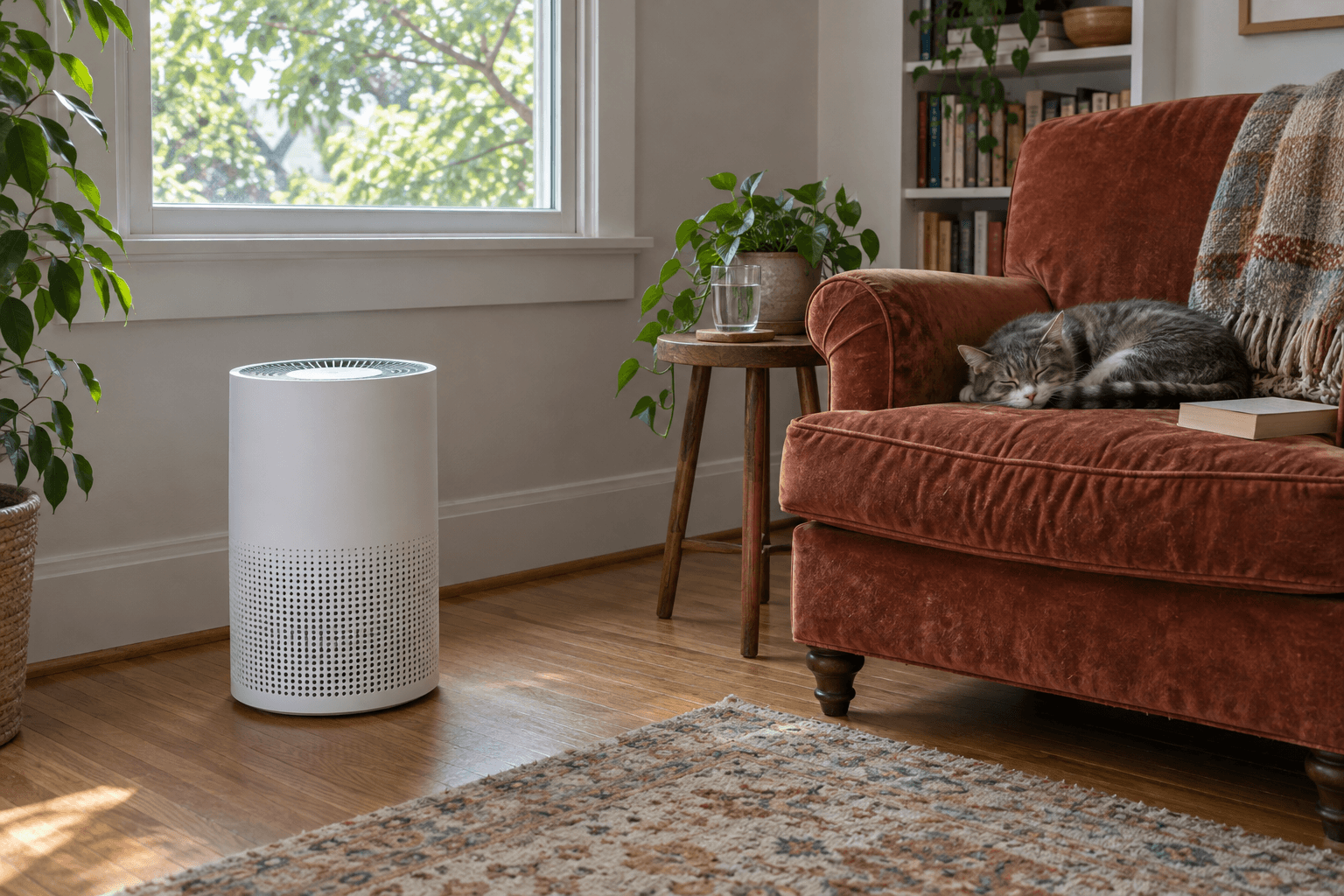
I tested the air cleaner, checked its filter and saved the manual. I also found out which controls affected outdoor air and which only circulated indoor air. Those are easy things to confuse when acting quickly.
We made a short plan for window closure, less indoor smoke and particle generation, and checking local air-quality advisories. The plan included our normal cooking and cleaning habits so we would not add avoidable pollution indoors while trying to keep outdoor smoke out.
Plan for heat at the same time
Source: Health Canada: protecting yourself during wildfire smoke
Health Canada advises prioritizing cooling when extreme heat and poor air quality occur together. A closed room that becomes dangerously hot is not a workable refuge.
We identified where to find local cleaner-air or cooling spaces if the house could not stay comfortable. We also discussed what to do if power failed or someone needed additional support.
Nothing in the plan promised that our home would be smoke-free. It gave us a practical starting point and a reason to reassess conditions rather than waiting indefinitely with the windows shut.
The spare filters now share a shelf with the manuals. I check them before the season, when replacing the right item is still an ordinary errand.